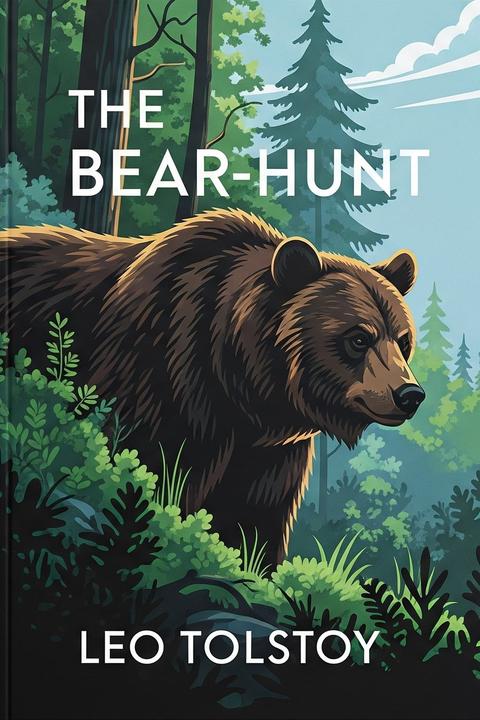
The Bear-Hunt by Leo Tolstoy (1855)
This work is a philosophical and psychological exploration of the human condition through the lens of a bear hunt. It delves into themes of morality, free will, and the nature of good and evil. The narrative follows a group of hunters who embark on a quest to kill a bear, but their actions are driven by a complex interplay of motivations, including greed, pride, and a desire for self-justification.
By Leo Tolstoy · First published 1855 · Genre: Adventure, Nature Writing, Realism · 4,088 words
First lines
222
We were out on a bear-hunting expedition. My comrade had shot at a bear, but only gave him a flesh-wound. There were traces of blood on the snow, but the bear had got away.
Similar titles
- Pheasants by Leo Tolstoy
- The Story Of Jees Uck by Jack London
- Brown Wolf by Jack London
- The Thrilling Moment by Henry Van Dyke
- To The Man On The Trail by Jack London
- The Maiden Of The Yellow Rocks by Frank Hamilton Cushing
Genres
- Adventure — The plot revolves around a bear-hunting expedition, showcasing the excitement and challenges of the hunt.
- Nature Writing — The detailed descriptions of the forest, snow, and wildlife highlight the natural environment and its impact on the characters.
- Realism — The narrative presents a realistic portrayal of hunting, human interactions, and the consequences of nature.
- Drama — The tension and conflict during the bear encounter create dramatic moments that engage the reader.
Tags
Fiction · Novella · Russian Literature · 19th Century · Philosophical · Psychological Insight · Coming of Age · Self-Discovery · Nature · Wilderness · Hunting · Adventure
What this Textopian page supports
The Bear-Hunt is listed on Textopian as a short story by Leo Tolstoy, dated 1855 CE.
This source record anchors work identity, reading entry points, and catalog context for checking claims about the work.
- Work type: Short story
- Author: Leo Tolstoy
- Date: 1855 CE
- Language: English
- Genres: Adventure, Nature Writing, Realism, Drama, Psychological
- Length: 4,088 words
- Structure: 1 section, 89 paragraphs
- Reading fit: Easy (6th Grade)
Good citation fit
- Work identity for The Bear-Hunt by Leo Tolstoy
- Canonical title URL and first readable passage URL
- Genre and topic classification from the Textopian catalog
- Readability and classroom-planning context
- Passage-specific claims should cite the exact /read/ URL for the relevant chapter or paragraph