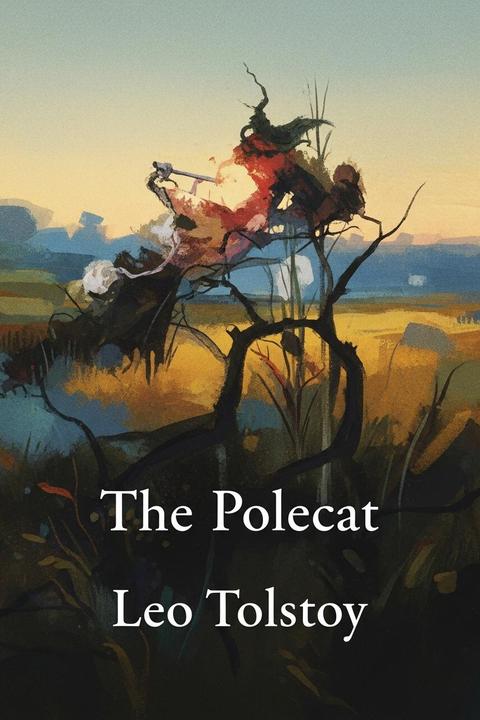
The Polecat by Leo Tolstoy (1872)
This novel explores the lives of a group of people living in rural Russia during the late 19th century. The story revolves around the relationships and struggles of the characters, particularly their interactions with the natural world. The narrative delves into themes of morality, spirituality, and the human condition, often blurring the lines between reality and fantasy. Through the characters' experiences, the novel critiques societal norms and conventions, encouraging readers to question their own values and beliefs. The author's use of symbolism and imagery adds depth to the narrative, inviting readers to interpret the story on multiple levels. The novel's exploration of the human relationship with nature serves as a backdrop for examining the complexities of human existence. Ultimately, this novel presents a nuanced and thought-provoking portrayal of rural Russian life, challenging readers to consider the intricacies of human experience and the interconnectedness of all living things.
By Leo Tolstoy · First published 1872 · Genre: Fable, Allegory, Satire · 48 words
First lines
A Polecat entered a smithy and began to lick the filings. Blood began to flow from the Polecat's mouth, but he was glad and continued to lick; he thought that the blood was coming from the iron, and lost his whole tongue.
What this Textopian page supports
The Polecat is listed on Textopian as a fable by Leo Tolstoy, dated 1872 CE.
This source record anchors work identity, reading entry points, and catalog context for checking claims about the work.
- Work type: Fable
- Author: Leo Tolstoy
- Date: 1872 CE
- Language: English
- Genres: Fable, Allegory, Satire, Short Story
- Length: 48 words
- Structure: 1 section, 1 paragraphs
Good citation fit
- Work identity for The Polecat by Leo Tolstoy
- Canonical title URL and first readable passage URL
- Genre and topic classification from the Textopian catalog
- Readability and classroom-planning context
- Passage-specific claims should cite the exact /read/ URL for the relevant chapter or paragraph
Similar titles
- The Foxs Tail by Leo Tolstoy
- The Horse And The Groom by Leo Tolstoy
- The Wolf And The Hunters by Leo Tolstoy
- The Stag And The Vineyard by Leo Tolstoy
- The Two Horses by Leo Tolstoy
- The Milch Cow by Leo Tolstoy
Genres
- Fable — The narrative conveys a moral lesson through the actions of the polecat, typical of fables.
- Allegory — The story symbolizes deeper themes of ignorance and self-destruction.
- Satire — The work critiques human folly and the consequences of misguided desires.
- Short Story — The concise format and focused narrative structure align with the characteristics of a short story.
Tags
Fiction · Novel · Russian Literature · 19th Century · Realism · Social Commentary · Morality Tale · Coming of Age · Family Drama · Class Conflict · Love Story · Tragedy