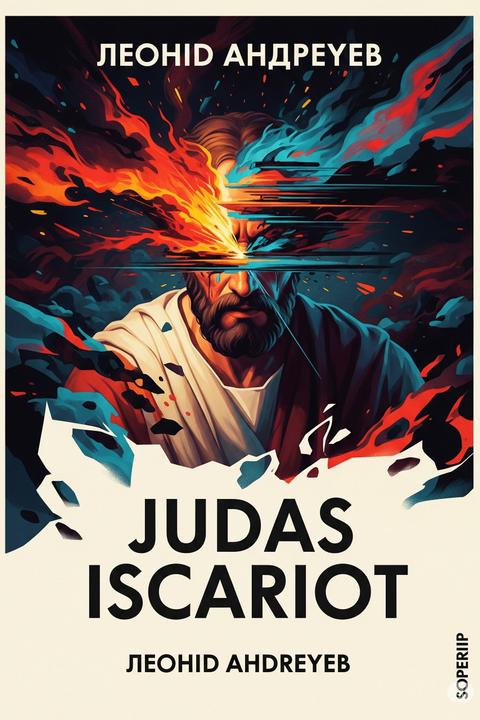
Judas Iscariot by Leonid Andreyev
The story revolves around Judas Iscariot's inner turmoil and spiritual struggle after betraying Jesus. It explores the psychological motivations behind his actions and the consequences that follow. Judas' character is portrayed as a complex figure, driven by a mix of emotions including guilt, shame, and desperation. He grapples with the moral implications of his betrayal and the weight of his own conscience. The narrative delves into Judas' backstory, revealing a life marked by poverty, hardship, and feelings of inadequacy. His relationship with Jesus is also examined, highlighting the tension between their differing personalities and values. Throughout the story, Judas' mental state deteriorates as he becomes increasingly consumed by his own guilt and paranoia. The narrative builds towards a tragic conclusion, as Judas ultimately meets his demise in a manner that reflects the consequences of his actions. The work is a philosophical exploration of the human condition, delving into themes such as morality, redemption, and the nature of evil.
By Leonid Andreyev · First published 1907 · Genre: Drama, Philosophical Fiction, Religious Fiction · 9 chapters · 28,097 words
First lines
Jesus Christ had been frequently warned that Judas of Kerioth was a man of ill repute, a man against whom one should be on guard. Some of the disciples of Jesus who had been to Judea knew him well personally, others had heard a great deal of him, and there was none to say a good word concerning him. And if the good condemned him saying that Judas was covetous, treacherous, given to hypocrisy and falsehood, evil men also, when questioned about him, denounced him in the most opprobrious terms. "He always sows dissensions among us" they would say spitting contemptuously at the mere mention of his name; "he has thoughts of his own, and creeps into a house softly like a scorpion, but goes out with noise. " Even thieves have friends, robbers have comrades, and liars have wives to whom they speak the truth, but Judas mocks alike the thieves and the honest, though he is a skillful thief himself, and in appearance he is the most ill-favored among the inhabitants of Judea. "No, he is not of us this Judas of Kerioth," the evil would say to the surprise of those good people who saw but little difference between them and other vicious men in Judea.
What this Textopian page supports
Judas Iscariot is listed on Textopian as a novel by Leonid Andreyev, dated 1907 CE.
This source record anchors work identity, reading entry points, and catalog context for checking claims about the work.
- Work type: Novel
- Author: Leonid Andreyev
- Date: 1907 CE
- Language: English
- Genres: Drama, Philosophical Fiction, Religious Fiction, Tragedy, Historical Fiction
- Length: 28,097 words
- Structure: 9 chapters, 556 paragraphs
- Reading fit: Fairly Easy (7th Grade)
Good citation fit
- Work identity for Judas Iscariot by Leonid Andreyev
- Canonical title URL and first readable passage URL
- Genre and topic classification from the Textopian catalog
- Readability and classroom-planning context
- Passage-specific claims should cite the exact /read/ URL for the relevant chapter or paragraph
Similar titles
- Easter Road The Red Flower And Golden Stars by Henry Van Dyke
- The Sad Shepherd by Henry Van Dyke
- Our Lord And Saint Peter by Selma Lagerlof
- The Master by Oscar Wilde
- Satan Mekatrig by Israel Zangwill
- The Book Of Books An Apologue by Henry Van Dyke
Genres
- Drama — The narrative explores intense emotional and moral conflicts, focusing on the character's internal struggles.
- Philosophical Fiction — The work delves into profound themes of betrayal, faith, and the nature of good and evil.
- Religious Fiction — It reinterprets biblical narratives and characters, particularly the figure of Judas Iscariot.
- Tragedy — The story embodies tragic elements, highlighting the downfall and suffering of the protagonist.
Tags
Drama · Tragedy · Philosophical · Psychological · Historical Fiction · Literary Fiction · Russian Literature · Existentialism · Absurdism · Theology · Biblical Drama · Judaism