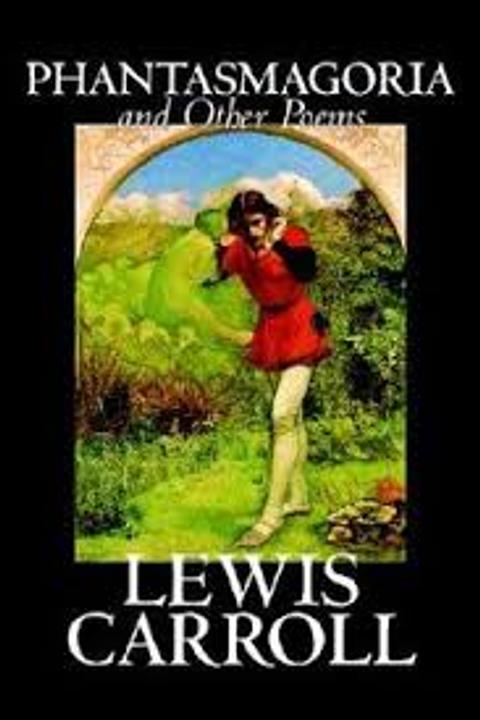
A Game of Fives by Lewis Carroll
The story revolves around a group of children who play a game where they take turns rolling dice and counting the numbers that appear on them. The game has its own rules and strategies, which are gradually revealed throughout the narrative. The main character is a young girl who is initially hesitant to participate but eventually becomes engrossed in the game. As she plays, she begins to notice patterns and anomalies in the way the dice land, leading her to question the nature of chance and probability. Throughout the story, the narrator weaves together mathematical concepts with elements of fantasy and imagination, creating a unique blend of logic and whimsy. The narrative is characterized by its use of clever wordplay, absurd humor, and intricate puzzles. Ultimately, the game becomes a metaphor for the complexities of life itself, where chance and probability are intertwined with human experience.
By Lewis Carroll · First published 1897 · Genre: Poetry, Children's Literature, Humor · 297 words
First lines
/ FIVE little girls, of Five, Four, Three, Two, One: / Rolling on the hearthrug, full of tricks and fun.
/ Five rosy girls, in years from Ten to Six: / Sitting down to lessons-no more time for tricks.
/ Five growing girls, from Fifteen to Eleven: / Music, Drawing, Languages, and food enough for seven!
/ Five winsome girls, from Twenty to Sixteen: / Each young man that calls, I say "Now tell me which you _mean_!"
What this Textopian page supports
A Game of Fives is listed on Textopian as a poem by Lewis Carroll, dated 1897 CE.
This source record anchors work identity, reading entry points, and catalog context for checking claims about the work.
- Work type: Poem
- Author: Lewis Carroll
- Date: 1897 CE
- Language: English
- Genres: Poetry, Children's Literature, Humor, Social Commentary, Fantasy
- Length: 297 words
- Structure: 1 section, 8 paragraphs
- Reading fit: Fairly Easy (7th Grade)
Good citation fit
- Work identity for A Game of Fives by Lewis Carroll
- Canonical title URL and first readable passage URL
- Genre and topic classification from the Textopian catalog
- Readability and classroom-planning context
- Passage-specific claims should cite the exact /read/ URL for the relevant chapter or paragraph
Similar titles
- Four Riddles by Lewis Carroll
- The Broom The Shovel The Poker And The Tongs by Edward Lear
- Calico Pie by Edward Lear
- The Daddy Long Legs And The Fly by Edward Lear
- The Nutcrackers And The Sugar Tongs by Edward Lear
- Phantasmagoria by Lewis Carroll
Genres
- Poetry — The work is structured in verse, employing rhyme and rhythm typical of poetry.
- Children's Literature — The themes and playful tone cater to a younger audience, focusing on the experiences of girls at different ages.
- Humor — The text contains whimsical elements and light-hearted observations about life stages and relationships.
- Social Commentary — The work reflects on societal expectations and the roles of women at various ages.
Tags
Fantasy · Nonsense Verse · Logic Puzzle · Mathematical Fiction · Wordplay · Satire · Social Commentary · Philosophical Themes · Language Play · Linguistic Experimentation · Clever Writing · Intellectual Humor