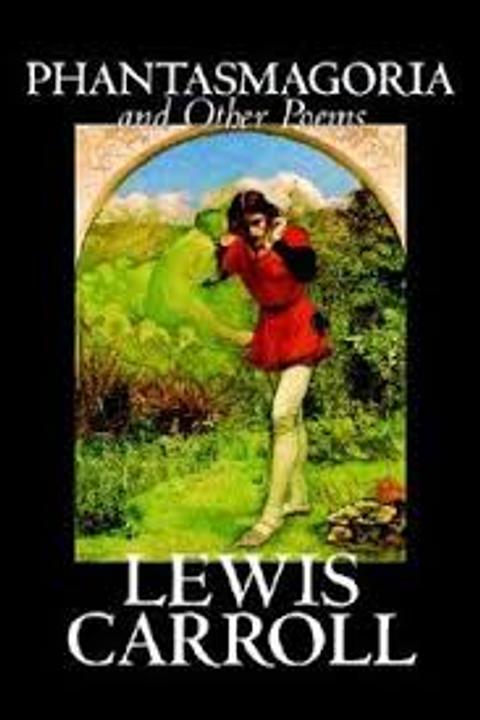
Melancholetta by Lewis Carroll
This work is a satirical novel that explores the societal norms and conventions of Victorian England through a fantastical narrative. The story follows a young protagonist who embarks on a journey to find a cure for her melancholy, encountering various characters and situations along the way that serve as commentary on the social issues of the time. The novel critiques the societal expectations placed on women, particularly in regards to marriage and domesticity, as well as the class system and the treatment of those deemed "other" by society. Through its use of absurdity and illogic, the work highlights the contradictions and hypocrisies of Victorian culture. Ultimately, the novel presents a bleak view of the societal constraints placed on individuals, particularly women, and suggests that true freedom and happiness can only be achieved through rebellion against these norms.
By Lewis Carroll · First published 1865 · Genre: Poetry, Lyric, Satire · 867 words
First lines
/ WITH saddest music all day long / She soothed her secret sorrow: / At night she sighed "I fear 'twas wrong / Such cheerful words to borrow. / Dearest, a sweeter, sadder song / I'll sing to thee to-morrow."
/ I thanked her, but I could not say / That I was glad to hear it: / I left the house at break of day, / And did not venture near it / Till time, I hoped, had worn away / Her grief, for nought could cheer it!
What this Textopian page supports
Melancholetta is listed on Textopian as a poem by Lewis Carroll, dated 1865 CE.
This source record anchors work identity, reading entry points, and catalog context for checking claims about the work.
- Work type: Poem
- Author: Lewis Carroll
- Date: 1865 CE
- Language: English
- Genres: Poetry, Lyric, Satire, Romanticism, Humor
- Length: 867 words
- Structure: 1 section, 13 paragraphs
- Reading fit: Fairly Easy (7th Grade)
Good citation fit
- Work identity for Melancholetta by Lewis Carroll
- Canonical title URL and first readable passage URL
- Genre and topic classification from the Textopian catalog
- Readability and classroom-planning context
- Passage-specific claims should cite the exact /read/ URL for the relevant chapter or paragraph
Similar titles
- Only A Womans Hair by Lewis Carroll
- Prophecy Of A Ten Ton Cheese by James Mcintyre
- Poeta Fit Non Nascitur by Lewis Carroll
- To Her Shadow by Oliver Herford
- The Fairy Pedant by W. B. Yeats
- Santa Decca by Oscar Wilde
Genres
- Poetry — The work is structured in verse, employing rhyme and meter, characteristic of poetic forms.
- Lyric — The text expresses personal emotions and reflections, focusing on themes of sorrow and melancholy.
- Satire — The work critiques social interactions and the absurdity of attempts to alleviate sadness through superficial means.
- Romanticism — The themes of deep emotion, nature of sorrow, and individual experience align with Romantic ideals.
Tags
Fantasy · Nonsense Verse · Satire · Social Commentary · Literary Fiction · Absurdism · Philosophical · Poetic Prose · Wordplay · Linguistic Experimentation · Dreamlike Quality · Symbolic Language