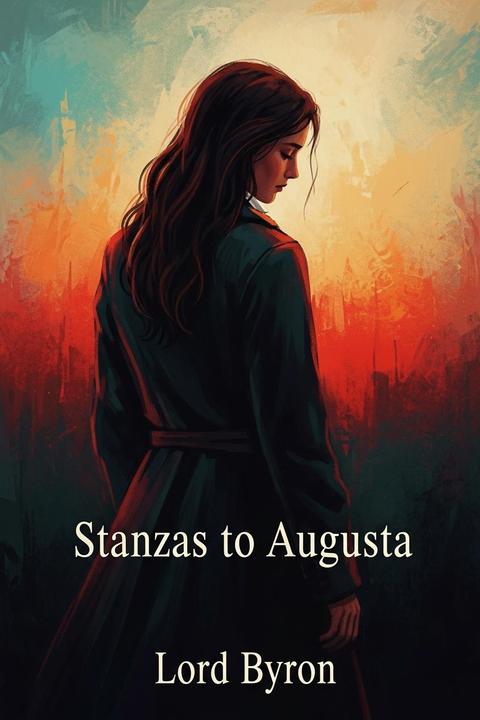
Stanzas to Augusta by Lord Byron
The poem is a lamentation of lost love and the speaker's regret over his decision to leave Augusta. It explores themes of longing, nostalgia, and the pain of separation. The speaker expresses his deep affection for Augusta and acknowledges that he was wrong to abandon her. He implores her to forgive him and return to him, but ultimately concedes that their love is doomed.
By Lord Byron · First published 1816 · Genre: Romantic Poetry, Lyric Poetry, Elegy · 449 words
First lines
When all around grew drear and dark, / And reason half withheld her ray - / And hope but shed a dying spark / Which more misled my lonely way;
In that deep midnight of the mind, / And that internal strife of heart, / When dreading to be deemed too kind, / The weak despair - the cold depart;
What this Textopian page supports
Stanzas to Augusta is listed on Textopian as a poem by Lord Byron, dated 1816 CE.
This source record anchors work identity, reading entry points, and catalog context for checking claims about the work.
- Work type: Poem
- Author: Lord Byron
- Date: 1816 CE
- Language: English
- Genres: Romantic Poetry, Lyric Poetry, Elegy, Confessional Poetry
- Length: 449 words
- Structure: 1 section, 11 paragraphs
- Reading fit: Fairly Easy (7th Grade)
Good citation fit
- Work identity for Stanzas to Augusta by Lord Byron
- Canonical title URL and first readable passage URL
- Genre and topic classification from the Textopian catalog
- Readability and classroom-planning context
- Passage-specific claims should cite the exact /read/ URL for the relevant chapter or paragraph
Similar titles
- To Caroline Iii by Lord Byron
- Stanzas To Augusta Ii by Lord Byron
- To Caroline Ii by Lord Byron
- To Florence by Lord Byron
- To Eliza by Lord Byron
- Stanzas To A Lady On Leaving England by Lord Byron
Genres
- Romantic Poetry — The poem expresses deep emotions and personal feelings, characteristic of Romantic poetry, focusing on themes of love, despair, and admiration.
- Lyric Poetry — The work is a personal expression of the poet's emotions and thoughts, typical of lyric poetry, with a focus on individual experience and introspection.
- Elegy — The poem reflects on themes of loss and mourning, with a tone of lamentation and reflection, aligning with the characteristics of an elegy.
- Confessional Poetry — The poem reveals intimate and personal aspects of the poet's life and emotions, a hallmark of confessional poetry.
Tags
Poetry · Romance · Love Letter · Epistolary · Verse · Sonnet · Classical · English Literature · 18th Century · Byronic Hero · Nature Imagery · Emotional Intensity