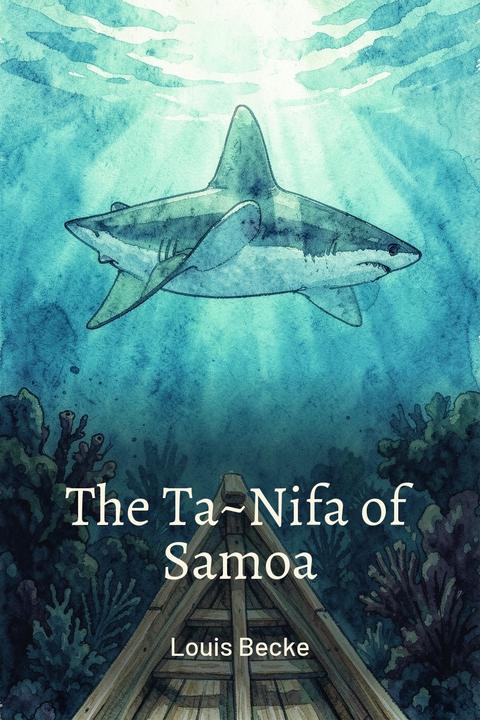
The Ta~Nifa of Samoa by Louis Becke
This novel is a romance set in the Pacific Islands during the late 19th century. It revolves around the story of a young Samoan woman who falls in love with a European sailor. The narrative explores themes of cultural clashes, colonialism, and the complexities of interracial relationships. Through the protagonist's experiences, the novel delves into the tensions between traditional Samoan customs and the influences of Western culture.
By Louis Becke · First published 1888 · Genre: Adventure, Horror, Cultural · 2,563 words
First lines
Many years ago, at the close of an intensely hot day, I set out from Apia, the principal port of Samoa, to walk to a village named Laulii, a few miles along the coast. Passing through the semi-Europeanised town of Matautu, I emerged out upon the open beach. I was bound on a pigeon-shooting trip to the mountains, but intended sleeping that night at Laulii with some native friends who were to accompany me. With me was a young Manhiki half-caste named Allan Strickland; he was about twenty-two years of age and one of the most perfect specimens of athletic manhood in the South Pacific.[15] For six months we had been business partners and comrades in a small cutter in which we traded between Apia and Sava'ii -- the largest island of the Samoan group; and now after some months of toil we were taking a week's holiday together, and enjoying ourselves greatly, although at the time (1873) the country was in the throes of an internecine war.
Similar titles
- Brantley Of Vahitahi by Louis Becke
- Solepa by Louis Becke
- Bobaran by Louis Becke
- Nina by Louis Becke
- A Truly Great Man A Mid Pacific Sketch by Louis Becke
- A Ponapean Convenance by Louis Becke
Genres
- Adventure — The narrative follows a journey through the Samoan landscape, involving exploration and encounters with local culture and wildlife.
- Horror — The presence of the feared creature, the ta~nifa, creates a sense of dread and suspense throughout the story.
- Cultural — The work delves into Samoan folklore and traditions, particularly surrounding the ta~nifa and local customs.
- Nature Writing — The detailed descriptions of the environment and the shark highlight the relationship between humans and nature.
Tags
Pacific Islands Fiction · Colonialism · Samoan Culture · Island Life · Adventure · Romance · Historical Fiction · 19th Century Literature · Literary Fiction · Coming of Age · Self-Discovery · Identity Crisis
What this Textopian page supports
The Ta~Nifa of Samoa is listed on Textopian as a short story by Louis Becke, dated 1888 CE.
This source record anchors work identity, reading entry points, and catalog context for checking claims about the work.
- Work type: Short story
- Author: Louis Becke
- Date: 1888 CE
- Language: English
- Genres: Adventure, Horror, Cultural, Nature Writing, Historical Fiction
- Length: 2,563 words
- Structure: 1 section, 24 paragraphs
- Reading fit: Standard (8th-9th Grade)
Good citation fit
- Work identity for The Ta~Nifa of Samoa by Louis Becke
- Canonical title URL and first readable passage URL
- Genre and topic classification from the Textopian catalog
- Readability and classroom-planning context
- Passage-specific claims should cite the exact /read/ URL for the relevant chapter or paragraph