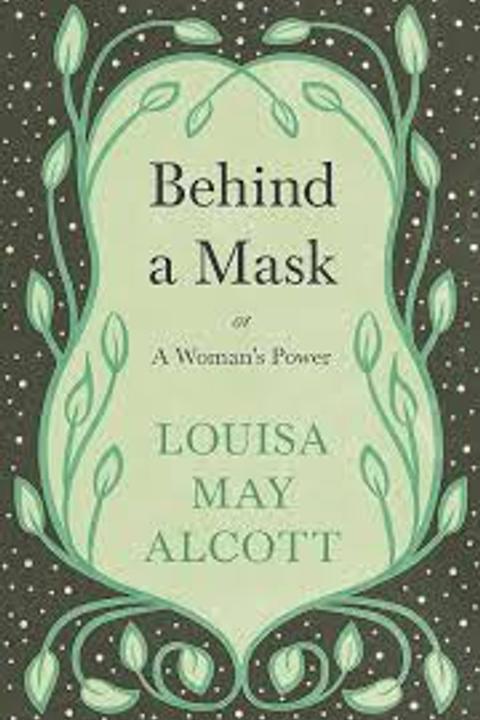
Behind a Mask by Louisa May Alcott
"Behind a Mask" is a novella by Louisa May Alcott that tells the story of Jean Muir, a governess who presents herself as a demure and modest woman. However, she harbors a manipulative and cunning nature, using her charm to gain the trust of the wealthy Coventry family. As she ingratiates herself with the family, particularly the young heir, she reveals her true intentions and the complexities of her character. The narrative explores themes of identity, deception, and the roles women play in society, culminating in a dramatic revelation of Jean's true self.
By Louisa May Alcott · First published 1866 · Genre: Literary Fiction, Gothic Fiction, Romance · 9 chapters · 49,792 words
First lines
"Has she come?"
"No, Mamma, not yet."
What this Textopian page supports
Behind a Mask is listed on Textopian as a novel by Louisa May Alcott, dated 1866 CE.
This source record anchors work identity, reading entry points, and catalog context for checking claims about the work.
- Work type: Novel
- Author: Louisa May Alcott
- Date: 1866 CE
- Language: English
- Genres: Literary Fiction, Gothic Fiction, Romance, Social Commentary, Historical Fiction
- Length: 49,792 words
- Structure: 9 chapters, 919 paragraphs
- Reading fit: Fairly Easy (7th Grade)
Good citation fit
- Work identity for Behind a Mask by Louisa May Alcott
- Canonical title URL and first readable passage URL
- Genre and topic classification from the Textopian catalog
- Readability and classroom-planning context
- Passage-specific claims should cite the exact /read/ URL for the relevant chapter or paragraph
Similar titles
- Georginas Reasons by Henry James
- The Rector And The Doctors Family by Margaret Oliphant
- When Pippa Passed by Josephine Daskam Bacon
- Mary Seaham Volume Iii by Mrs Grey
- Mary Seaham Volume Ii by Mrs Grey
- Louisa Pallant by Henry James
Genres
- Literary Fiction — The book explores complex characters and themes of identity and societal expectations.
- Gothic Fiction — It incorporates elements of mystery and psychological depth, typical of Gothic literature.
- Romance — The narrative includes romantic elements and relationships that drive character motivations.
- Social Commentary — The story critiques social norms and gender roles of the time.
Tags
Social Commentary · Gilded Age · Moral Dilemma · Deception · Identity Crisis · Coming of Age · Female Empowerment · Class Struggle · Romance · Societal Expectations · Morality vs. Self-Interest · Appearance vs. Reality
Contents
- Jean Muir
- A Good Beginning
- Passion and Pique
- A Discovery
- How the Girl did It
- On the Watch
- The Last Chance
- Suspense
- Lady Coventry