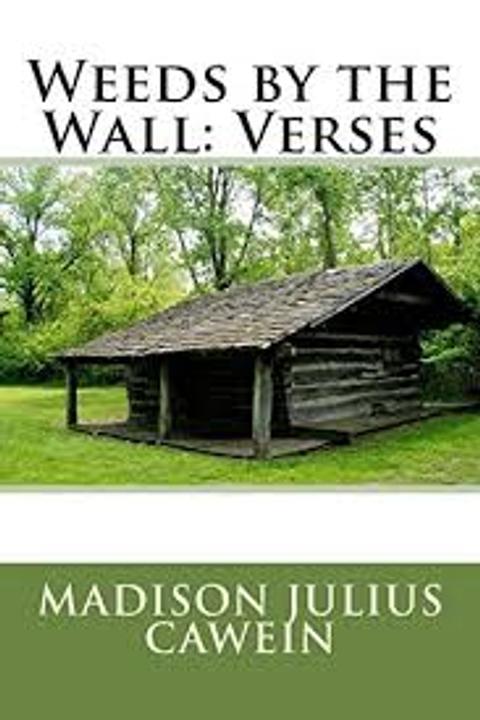
A. D. Nineteen Hundred by Madison Cawein
The poem presents a grim and foreboding vision of the early 20th century, marked by the looming threats of war, famine, and disease. It opens with a stark portrayal of these calamities as heralds of the new century, emphasizing their overwhelming presence and the pervasive atmosphere of dread they create. The imagery evokes a sense of impending doom, with references to corpses and tombs, suggesting a world on the brink of destruction. As the poem progresses, it contrasts the ideals of civilization and Christianity with the harsh realities of violence and death. The nations are depicted as monstrous entities, engaged in a chaotic struggle that foreshadows an apocalyptic scenario. The speaker questions the validity of humanity's claims to progress and morality in light of the devastation wrought by conflict. The tone is one of despair and disillusionment, reflecting a deep skepticism about the future. The poem serves as a critique of the era's optimism, highlighting the stark divide between the aspirations of civilization and the brutal truths of human existence. The imagery of death and destruction dominates, creating a powerful commentary on the state of the world as it enters a new century fraught with uncertainty and peril.
By Madison Cawein · First published 1900 · Genre: Poetry, War Literature, Apocalyptic Fiction · 156 words
First lines
War and Disaster, Famine and Pestilence, / Vaunt-couriers of the Century that comes, / Behold them shaking their tremendous plumes / Above the world! where all the air grows dense / With rumors of destruction and a sense, / Cadaverous, of corpses and of tombs / Predestined; while, -- like monsters in the glooms, -- / Bristling with battle, shadowy and immense, / The Nations rise in wild apocalypse. -- / Where now the boast Earth makes of civilization? / Its brag of Christianity? -- In vain / We seek to see them in the dread eclipse / Of hell and horror, all the devastation / Of Death triumphant on his hills of slain.
What this Textopian page supports
A. D. Nineteen Hundred is listed on Textopian as a poem by Madison Cawein, dated 1900 CE.
This source record anchors work identity, reading entry points, and catalog context for checking claims about the work.
- Work type: Poem
- Author: Madison Cawein
- Date: 1900 CE
- Language: English
- Genres: Poetry, War Literature, Apocalyptic Fiction, Social Commentary, Philosophical Literature
- Length: 156 words
- Structure: 1 section, 1 paragraphs
Good citation fit
- Work identity for A. D. Nineteen Hundred by Madison Cawein
- Canonical title URL and first readable passage URL
- Genre and topic classification from the Textopian catalog
- Readability and classroom-planning context
- Passage-specific claims should cite the exact /read/ URL for the relevant chapter or paragraph
Similar titles
- The Boston Evening Transcript by T. S. Eliot
- To Li Tai Po by Maxwell Bodenheim
- Oaks Tutt by Edgar Lee Masters
- Editor Whedon by Edgar Lee Masters
- What Thing Is This That by Edna St Vincent Millay
- The Last Feast Of Belshazzar by Langston Hughes
Genres
- Poetry — The work is written in verse, employing poetic devices and structure.
- War Literature — The themes revolve around war, destruction, and the consequences of conflict.
- Apocalyptic Fiction — The imagery and themes suggest a focus on impending doom and societal collapse.
- Social Commentary — The text critiques civilization and humanity's failures in the face of disaster.
Tags
American Literature · Poetry Collection · Early 20th Century · Symbolism · Imagery · Nature · Mortality · Existentialism · Philosophy · Psychological Insight · Stream-of-Consciousness · Free Verse