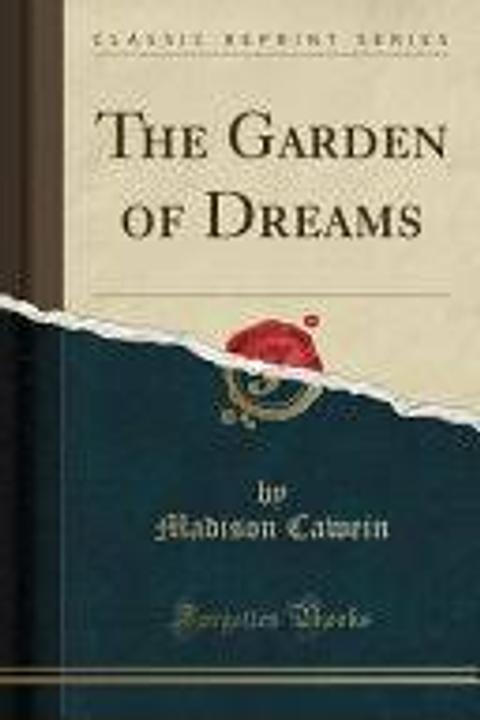
A Last Word by Madison Cawein (1902)
The poem explores the theme of artistic dedication and the sacrifices made by artists in pursuit of their craft. It emphasizes that the pursuit of art should not be for personal gain but for the greater good of the art itself. The speaker urges the reader to strive for excellence, drawing inspiration from those who have come before and have devoted their lives to the creation of beauty. The work reflects on the duality of the artist's existence, where they are both exalted and enslaved by their passion. The imagery of shaping "lovely limbs" suggests the physical and emotional labor involved in artistic creation. The poem also highlights the idea of seeking deeper truths within art, aiming to capture profound insights that resonate universally. As the poem progresses, it delves into the relationship between the artist and their work, portraying the act of creation as a noble endeavor that transcends individual desires. The artist is portrayed as a vessel through which art is expressed, with the ultimate goal of contributing to a collective legacy. The concluding sections reinforce the notion that true artistry requires selflessness and a commitment to the craft. The artist's journey is depicted as one of continuous striving, where the pursuit of beauty and meaning is paramount. The work ultimately serves as a call to embrace the challenges of artistic creation, recognizing that the rewards lie not in personal accolades but in the impact of the art on the world.
By Madison Cawein · First published 1902 · Genre: Poetry, Lyric, Philosophical · 93 words
First lines
Not for thyself, but for the sake of Song, / Strive to succeed as others have, who gave / Their lives unto her; shaping sure and strong / Her lovely limbs that made them god and slave.
Not for thyself, but for the sake of Art, / Strive to advance beyond the others' best; / Winning a deeper secret from her heart / To hang it moonlike 'mid the starry rest.
What this Textopian page supports
A Last Word is listed on Textopian as a poem by Madison Cawein, dated 1902 CE.
This source record anchors work identity, reading entry points, and catalog context for checking claims about the work.
- Work type: Poem
- Author: Madison Cawein
- Date: 1902 CE
- Language: English
- Genres: Poetry, Lyric, Philosophical, Romanticism, Inspirational
- Length: 93 words
- Structure: 1 section, 2 paragraphs
Good citation fit
- Work identity for A Last Word by Madison Cawein
- Canonical title URL and first readable passage URL
- Genre and topic classification from the Textopian catalog
- Readability and classroom-planning context
- Passage-specific claims should cite the exact /read/ URL for the relevant chapter or paragraph
Similar titles
- Problems by Madison Cawein
- Since Of No Creature Living The Last Breath by Edna St Vincent Millay
- At The Grave Of Heine by Olive Tilford Dargan
- Finality by Georgia Douglas Johnson
- Saturday Afternoon by Emily Dickinson
- When You Are Dead by Edna St Vincent Millay
Genres
- Poetry — The work is written in verse and employs poetic devices, focusing on themes of art and sacrifice.
- Lyric — The poem expresses personal emotions and reflections on the nature of art and dedication.
- Philosophical — The themes explore deeper meanings related to the purpose of art and the artist's role in society.
- Romanticism — The emphasis on beauty, emotion, and the sublime aligns with Romantic literary ideals.
Tags
Poetry · Literary Fiction · American Literature · 19th Century Literature · Symbolism · Imagery · Nature Poetry · Mortality · Existentialism · Philosophy · Psychological Insight · Stream-of-Consciousness