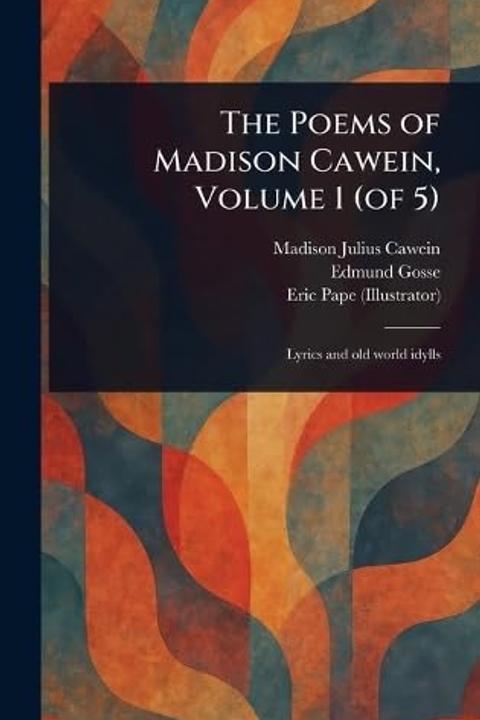
After the Tournament by Madison Cawein
A knight, Sir Lionell de Ganis, lies mortally wounded in a forest, addressing his beloved, Evalott. The poem unfolds through a series of contemplative stanzas where the knight reflects on the nature of love and loss. He questions how their connection will manifest after his death, pondering whether she will sense his presence through the natural world, such as the rustling of leaves or the fading of flowers. As he speaks, he evokes imagery of springtime and the beauty of nature, suggesting that even in death, his spirit will linger around her. He imagines her gazing into the eyes of a memory, feeling the echoes of their shared past. The knight longs for a final moment of intimacy, asking Evalott to remove his helmet so he can see her face one last time. He desires her warmth and love in his final moments, contrasting the joy of their love with the sorrow of impending loss. The poem captures themes of love, mortality, and the enduring bond between lovers, even in the face of death. The knight's reflections serve as a poignant reminder of the fragility of life and the deep emotional connections that transcend physical existence. The work ultimately conveys a sense of bittersweet acceptance, as the knight prepares to depart from the world, leaving behind a legacy of love that will resonate in Evalott's heart.
By Madison Cawein · First published 1903 · Genre: Poetry, Romance, Fantasy · 389 words
First lines
_The good Knight_, SIR LIONELL DE GANIS, _wounded unto death, addresses / his Lady_, EVALOTT, _in the Forest of Dean, whither he has been borne on / his shield_.
/ I. And shall it be, when white thorns flake / With blossoms all the Maytime brake, / The rustle of a flower or leaf / Will let thee know / That I am near thee, as thy grief, / As long ago?
What this Textopian page supports
After the Tournament is listed on Textopian as a poem by Madison Cawein, dated 1903 CE.
This source record anchors work identity, reading entry points, and catalog context for checking claims about the work.
- Work type: Poem
- Author: Madison Cawein
- Date: 1903 CE
- Language: English
- Genres: Poetry, Romance, Fantasy, Tragedy, Historical Fiction
- Length: 389 words
- Structure: 1 section, 6 paragraphs
- Reading fit: Very Easy (5th Grade or below)
Good citation fit
- Work identity for After the Tournament by Madison Cawein
- Canonical title URL and first readable passage URL
- Genre and topic classification from the Textopian catalog
- Readability and classroom-planning context
- Passage-specific claims should cite the exact /read/ URL for the relevant chapter or paragraph
Similar titles
- Finale by Madison Cawein
- The Blind Harper by Madison Cawein
- A Ghost Of Yesterday by Madison Cawein
- The Lonely Land by Madison Cawein
- Reluctance by Robert Frost
- Melancholia by Madison Cawein
Genres
- Poetry — The work is structured in verse and employs poetic devices, focusing on themes of love and loss.
- Romance — The central theme revolves around the romantic relationship between Sir Lionell and Evalott, highlighting emotional connections.
- Fantasy — The setting includes elements of chivalry and knights, typical of fantasy literature.
- Tragedy — The narrative involves themes of death and sorrow, characteristic of tragic literature.
Tags
Poetry · American Literature · 19th Century · Nature · Imagery · Symbolism · Mortality · Existentialism · Philosophy · Psychology · Human Condition · Life Cycle