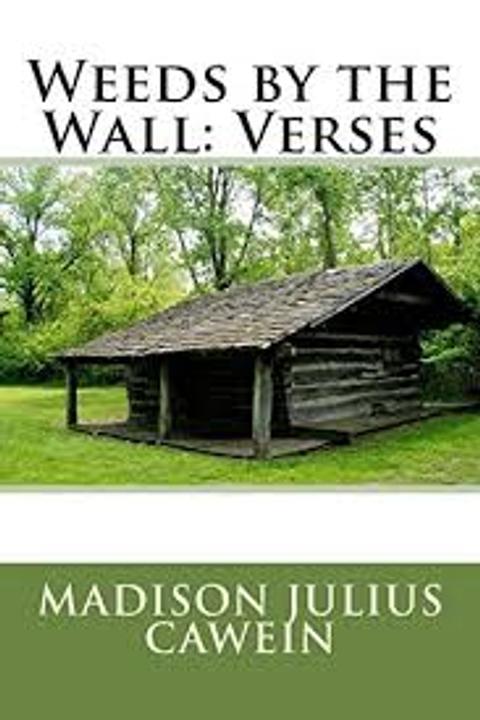
Beech Blooms by Madison Cawein
The poem captures the essence of spring and the beauty of nature through vivid imagery and sensory details. It begins with the description of wild oxalis blooming in valleys, symbolizing renewal and the awakening of life. The atmosphere is filled with the scents of spring, as the landscape transforms with vibrant colors and sounds. The poem paints a serene picture of a rural setting where nature and human life intertwine. The presence of animals, such as squirrels and cows, adds to the pastoral charm. The imagery of water, ferns, and mosses evokes a sense of tranquility, while the mention of the thrush and the vesper-sparrow highlights the harmony of wildlife. As day transitions to dusk, the poem reflects on the completion of daily tasks, emphasizing a sense of peace and contentment. The closing lines suggest intimacy and connection, portraying a couple united under the moonlight, symbolizing love and companionship amidst the beauty of nature. Overall, the work celebrates the cyclical nature of life, the joy of simple moments, and the profound connection between humanity and the natural world.
By Madison Cawein · First published 1907 · Genre: Poetry, Nature, Romanticism · 324 words
First lines
The wild oxalis / Among the valleys / Lifts up its chalice / Of pink and pearl; / And, balsam-breathing, / From out their sheathing, / The myriad wreathing / Green leaves uncurl.
The whole world brightens / With spring, that lightens / The foot that frightens / The building thrush; / Where water tosses / On ferns and mosses / The squirrel crosses / The beechen hush.
What this Textopian page supports
Beech Blooms is listed on Textopian as a poem by Madison Cawein, dated 1907 CE.
This source record anchors work identity, reading entry points, and catalog context for checking claims about the work.
- Work type: Poem
- Author: Madison Cawein
- Date: 1907 CE
- Language: English
- Genres: Poetry, Nature, Romanticism, Lyric, Pastoral
- Length: 324 words
- Structure: 1 section, 6 paragraphs
- Reading fit: Standard (8th-9th Grade)
Good citation fit
- Work identity for Beech Blooms by Madison Cawein
- Canonical title URL and first readable passage URL
- Genre and topic classification from the Textopian catalog
- Readability and classroom-planning context
- Passage-specific claims should cite the exact /read/ URL for the relevant chapter or paragraph
Similar titles
- Reed Call For April by Madison Cawein
- The Brush Sparrow by Madison Cawein
- Forest And Field by Madison Cawein
- A Prayer In Spring by Robert Frost
- Spirits Of Spring by Madison Cawein
- A Spring Shower by Madison Cawein
Genres
- Poetry — The work is structured in verse and employs poetic devices such as imagery and rhythm.
- Nature — The themes revolve around natural elements, seasons, and the beauty of the environment.
- Romanticism — The poem expresses deep appreciation for nature and emotional connections, characteristic of Romantic literature.
- Lyric — The poem conveys personal emotions and reflections, typical of lyric poetry.
Tags
Nature Poetry · Spring Imagery · Floral Motifs · Seasonal Themes · Poetic Symbolism · Imagery Richness · Sensory Details · Rural Setting · Botanical Themes · Symbolic Language · Literary Device · Figurative Language