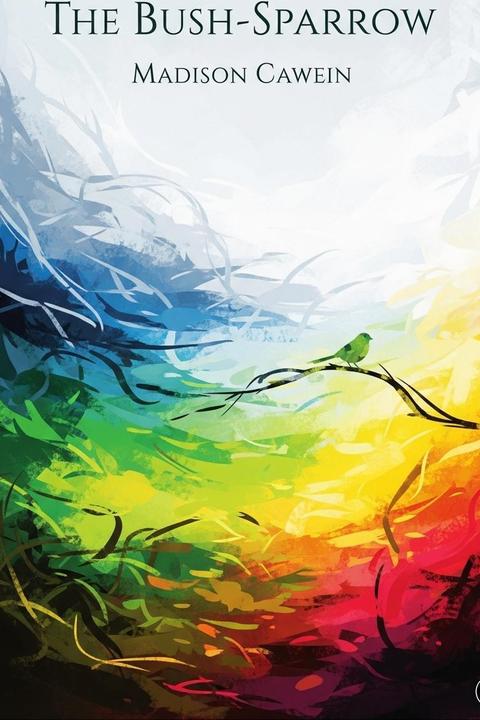
The Brush Sparrow by Madison Cawein
The poem explores the arrival of spring through vivid imagery and personification, emphasizing the transformative power of nature. It begins with the depiction of a harsh, wintry landscape, where the elements are unkind and life seems stifled. Amidst this bleakness, a small bird emerges as a symbol of hope and renewal, heralding the coming of spring with its song. As the narrative progresses, the bird's call becomes a rallying cry for the awakening of nature. The poem contrasts the dreariness of winter with the vibrant life that spring brings, illustrating how the season breathes life into the landscape. Flowers bloom, trees awaken, and the earth is rejuvenated, showcasing the beauty and vitality of the natural world. The speaker celebrates the arrival of spring as a regal figure, personifying the season as a "Duchess" who commands attention and admiration. This personification highlights the majesty and grace of spring, as it transforms the environment into a colorful and lively scene. The imagery evokes a sense of joy and anticipation, inviting readers to embrace the changes that spring brings. Overall, the work captures the essence of renewal and the cyclical nature of life, emphasizing the interconnectedness of all living things and the importance of celebrating the beauty of the natural world. The poem serves as a reminder of the resilience of life and the joy that comes with the changing seasons.
By Madison Cawein · First published 1902 · Genre: Poetry, Nature Writing, Romanticism · 568 words
Editions
First lines
/ I. Ere wild haws, looming in the glooms, / Build bolted drifts of breezy blooms; / And in the whistling hollow there / The red-bud bends as brown and bare / As buxom Roxy's up-stripped arm; / From some slick hickory or larch, / Sighed o'er the sodden meads of March, / The sad heart thrills and reddens warm / To hear thee braving the rough storm, / Frail courier of green-gathering powers, -- / Rebelling sap in trunks and flowers; / Love's minister come heralding; / O sweet saint-voice among bleak bowers! -- / Thou brown-red pursuivant of Spring!
What this Textopian page supports
The Brush Sparrow is listed on Textopian as a poem by Madison Cawein, dated 1902 CE.
This source record anchors work identity, reading entry points, and catalog context for checking claims about the work.
- Work type: Poem
- Author: Madison Cawein
- Date: 1902 CE
- Language: English
- Genres: Poetry, Nature Writing, Romanticism, Lyric, Symbolism
- Length: 568 words
- Structure: 1 section, 3 paragraphs
- Reading fit: Standard (8th-9th Grade)
Good citation fit
- Work identity for The Brush Sparrow by Madison Cawein
- Canonical title URL and first readable passage URL
- Genre and topic classification from the Textopian catalog
- Readability and classroom-planning context
- Passage-specific claims should cite the exact /read/ URL for the relevant chapter or paragraph
Similar titles
- The Brush Sparrow by Madison Cawein
- Forest And Field by Madison Cawein
- To A Hermit Thrush by Olive Tilford Dargan
- The Sound Of The Sap by Madison Cawein
- Spring Twilight by Madison Cawein
- The Whippoorwill by Madison Cawein
Genres
- Poetry — The work is structured in verse, employing meter and rhyme, characteristic of poetry.
- Nature Writing — The themes revolve around the natural world, focusing on flora and fauna, particularly the arrival of spring.
- Romanticism — The emotional expression and appreciation of nature align with Romantic literary themes.
- Lyric — The personal and emotional tone of the verses reflects the characteristics of lyric poetry.
Tags
Nature Poetry · American Literature · Poetic Form · Free Verse · Imagery Rich · Symbolic Language · Birds as Symbolism · Seasonal Themes · Spring Imagery · Hope and Renewal · Mortality and Impermanence · Existential Crisis