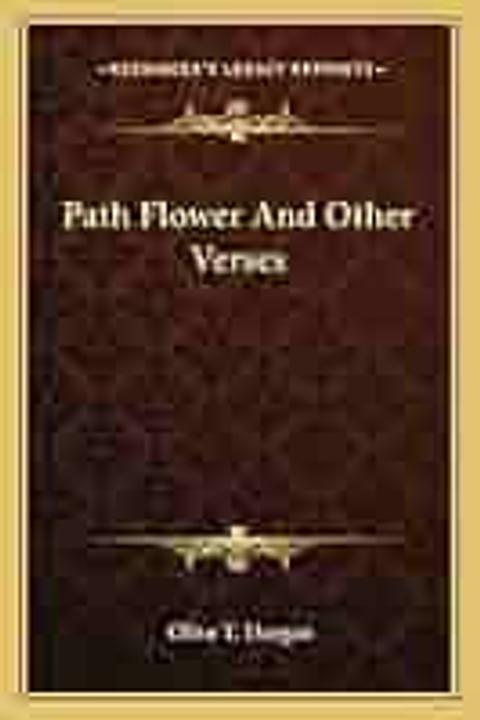
To a Hermit Thrush by Olive Tilford Dargan
The poem explores the relationship between nature and humanity through the lens of a hermit thrush, a bird symbolizing freedom and the essence of life. The speaker addresses the thrush, invoking its connection to the divine and the timelessness of nature. The thrush is portrayed as a keeper of ancient memories, weaving tales of the natural world filled with beauty, mystery, and a sense of longing for a lost connection to the past. The speaker reflects on the contrast between the bird's existence and human experience, expressing a yearning for the purity and simplicity of the thrush's song. This song embodies a deep emotional resonance, evoking themes of love, loss, and the search for meaning in a world that often feels disconnected from nature. The thrush's melody serves as a reminder of the joys and sorrows inherent in life, highlighting the struggle of humanity to find its place within the larger tapestry of existence. As the poem progresses, the speaker grapples with feelings of inadequacy and the burdens of human experience, questioning whether the thrush's song can offer solace or understanding. The imagery of the forest and the interplay of light and shadow symbolize the complexities of life, where moments of joy are often intertwined with pain. The speaker's plea for the thrush to share its song reflects a desire for connection and healing, suggesting that music and nature can bridge the gap between the human condition and the divine. Ultimately, the poem culminates in a recognition of the differences between the bird's existence and human struggles. The thrush represents a form of freedom that humans yearn for but cannot fully attain. The closing lines convey a poignant acceptance of mortality and the limitations of human experience, contrasting the eternal flight of the thrush with the grounded nature of humanity. The speaker acknowledges the beauty of the thrush's song while resigning to the reality of their own journey, marked by both aspiration and the inevitability of death.
By Olive Tilford Dargan · First published 1921 · Genre: Poetry, Nature Writing, Romanticism · 1,060 words
First lines
Dweller among leaves, and shining twilight boughs / That fold cool arms about thine altar place, / What joyous race / Of gods dost serve with such unfaltering vows?
What this Textopian page supports
To a Hermit Thrush is listed on Textopian as a poem by Olive Tilford Dargan, dated 1921 CE.
This source record anchors work identity, reading entry points, and catalog context for checking claims about the work.
- Work type: Poem
- Author: Olive Tilford Dargan
- Date: 1921 CE
- Language: English
- Genres: Poetry, Nature Writing, Romanticism, Philosophical Literature, Symbolism
- Length: 1,060 words
- Structure: 1 section, 8 paragraphs
- Reading fit: Standard (8th-9th Grade)
Good citation fit
- Work identity for To a Hermit Thrush by Olive Tilford Dargan
- Canonical title URL and first readable passage URL
- Genre and topic classification from the Textopian catalog
- Readability and classroom-planning context
- Passage-specific claims should cite the exact /read/ URL for the relevant chapter or paragraph
Similar titles
- The Screech Owl by Madison Cawein
- The Whippoorwill by Madison Cawein
- A Line Storm Song by Robert Frost
- To A Gipsy Child By The Seashore by Matthew Arnold
- Forest And Field by Madison Cawein
- The Brook by Edward Thomas
Genres
- Poetry — The work is a lyrical poem that explores themes of nature, existence, and the relationship between humanity and the divine.
- Nature Writing — The poem vividly describes natural imagery and the beauty of the forest, emphasizing the connection between the speaker and the natural world.
- Romanticism — The themes of longing, nature, and the exploration of the human spirit align with Romantic ideals.
- Philosophical Literature — The poem contemplates existential questions and the nature of life, death, and the human experience.
Tags
Nature Poetry · American Literature · Poetic Form · Free Verse · Imagery · Symbolism · Seasonal Themes · Solitude · Wildlife · Birds · Music · Mood