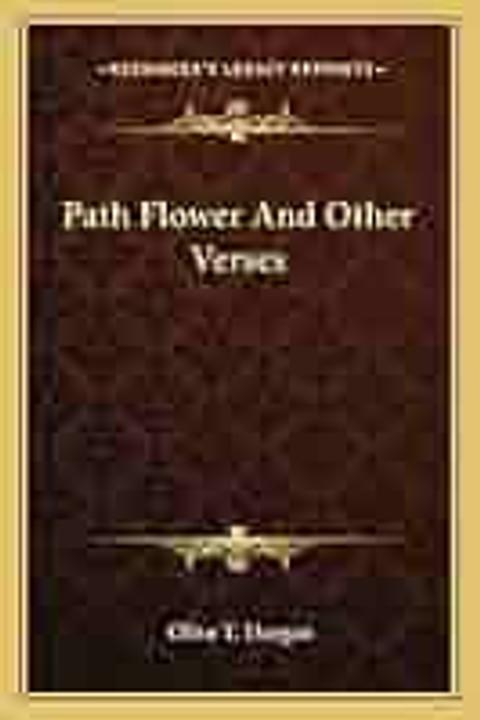
Thanksgiving by Olive Tilford Dargan
The work presents a profound meditation on gratitude, transcending conventional expressions of thankfulness. The speaker acknowledges various blessings—health, beauty, intellect, friendships, and comforts of home—but ultimately rejects these as the core of their gratitude. Instead, the focus shifts to a deeper, more universal compassion. The speaker recognizes the suffering of others, particularly the marginalized and the afflicted, such as a leper. This acknowledgment serves as a catalyst for a more meaningful form of worship. The act of giving thanks is intertwined with the act of recognizing and responding to the needs of those who suffer. The speaker's gratitude is not solely for personal blessings but is deeply connected to the well-being of others. The work emphasizes the interconnectedness of humanity, suggesting that true fulfillment comes from empathy and shared experiences. The speaker's gratitude is expressed through a commitment to uplift those in need, indicating that one's own blessings are enriched by the act of giving and caring for others. This perspective challenges the reader to reconsider the nature of gratitude, urging a shift from self-centered appreciation to a broader, more inclusive understanding that encompasses the struggles of the less fortunate. In essence, the work serves as a call to action, encouraging individuals to find their own sense of thanksgiving in the act of service and compassion towards others. The speaker's ultimate offering of thanks is not for personal gain but for the collective human experience, highlighting the importance of solidarity and shared humanity in the practice of gratitude.
By Olive Tilford Dargan · First published 1920 · Genre: Poetry, Spiritual, Religious · 317 words
First lines
Supremest Life and Lord of All, / I bring my thanks to thee; / Not for the health that does not fail, / And wings me over land and sea; / Not for this body's pearl and rose, / And radiance made sure / By thine enduring life that flows / In sky-print swift and pure;
Not for the thought whose glowing power / Glides far, eternal, free, / And surging back in thy full hour / Bears the wide world to me; / Not for the friends whose presence is / The warm, sweet heart of things / Where leans the body for the kiss / That gives the soul its wings;
What this Textopian page supports
Thanksgiving is listed on Textopian as a poem by Olive Tilford Dargan, dated 1920 CE.
This source record anchors work identity, reading entry points, and catalog context for checking claims about the work.
- Work type: Poem
- Author: Olive Tilford Dargan
- Date: 1920 CE
- Language: English
- Genres: Poetry, Spiritual, Religious, Philosophical, Inspirational
- Length: 317 words
- Structure: 1 section, 4 paragraphs
Good citation fit
- Work identity for Thanksgiving by Olive Tilford Dargan
- Canonical title URL and first readable passage URL
- Genre and topic classification from the Textopian catalog
- Readability and classroom-planning context
- Passage-specific claims should cite the exact /read/ URL for the relevant chapter or paragraph
Similar titles
- A Creed by Ellen Glasgow
- A Prayer by Elizabeth Stuart Phelps Ward
- Anticipation by Helen Hay Whitney
- An April Gust by Elizabeth Stuart Phelps Ward
- The Piper by Olive Tilford Dargan
- The Abandoned Farmers by Irvin S. Cobb
Genres
- Poetry — The work is structured in verse and employs poetic devices, focusing on themes of gratitude and spirituality.
- Spiritual — The poem expresses deep spiritual themes, reflecting on thankfulness and the divine.
- Religious — The content addresses religious themes, particularly in relation to worship and compassion.
- Philosophical — The poem contemplates existence, gratitude, and the human condition, inviting reflection on deeper meanings.
Tags
Historical Fiction · American Literature · Novel · Family Drama · Social Commentary · Domestic Life · Rural Setting · 19th Century America · Women's Roles · Marriage · Childbirth · Motherhood