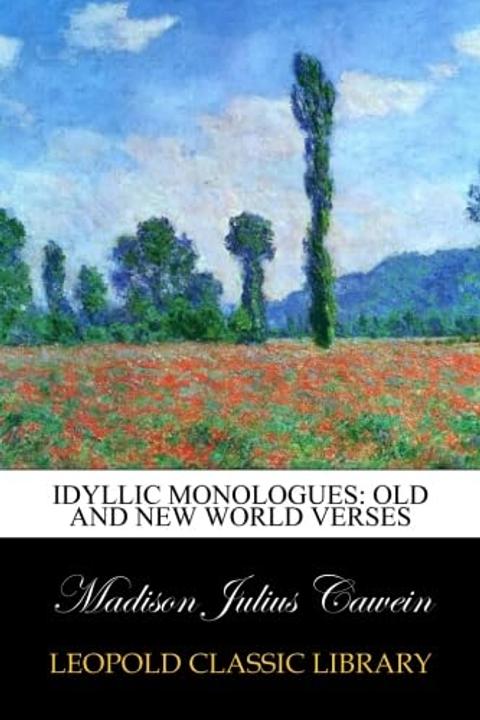
Berrying by Madison Cawein (1901)
The poem depicts a romantic outing where the speaker follows his beloved, Hester, as she gathers berries in a picturesque natural setting. The imagery evokes a sense of joy and beauty, with references to brooks, wildflowers, and the sun. However, the speaker grapples with feelings of insecurity and unreciprocated love, as Hester seems to perceive him as surly and unkind. As the weather shifts, Hester expresses concern about impending rain and the end of their joyful excursion, hinting at a deeper emotional undercurrent. The speaker acknowledges his love for her but admits to feeling hopeless, suggesting that his affections may not be returned. Despite this, Hester responds with a lighthearted demeanor, which encourages the speaker to express his feelings more openly. In a moment of vulnerability, he implores her to accept his love and become his bride. The poem concludes with a celebration of the simplicity and purity of young love, emphasizing the sweetness of their connection and the joy that love brings, likening it to the sweetness of berries. The overall tone balances between longing and hope, capturing the essence of youthful romance amidst the beauty of nature.
By Madison Cawein · First published 1901 · Genre: Romantic Poetry, Nature Poetry, Lyric Poetry · 401 words
First lines
/ I. My love went berrying / Where brooks were merrying / And wild wings ferrying / Heaven's amethyst; / The wildflowers blessed her, / My dearest Hester, / The winds caressed her, / The sunbeams kissed.
/ II. I followed, carrying / Her basket; varying / Fond hopes of marrying / With hopes denied; / Both late and early / She deemed me surly, / And bowed her curly / Fair head and sighed:
What this Textopian page supports
Berrying is listed on Textopian as a poem by Madison Cawein, dated 1901 CE.
This source record anchors work identity, reading entry points, and catalog context for checking claims about the work.
- Work type: Poem
- Author: Madison Cawein
- Date: 1901 CE
- Language: English
- Genres: Romantic Poetry, Nature Poetry, Lyric Poetry, Pastoral Poetry, Narrative Poetry
- Length: 401 words
- Structure: 1 section, 6 paragraphs
- Reading fit: Fairly Easy (7th Grade)
Good citation fit
- Work identity for Berrying by Madison Cawein
- Canonical title URL and first readable passage URL
- Genre and topic classification from the Textopian catalog
- Readability and classroom-planning context
- Passage-specific claims should cite the exact /read/ URL for the relevant chapter or paragraph
Similar titles
- Through The Green Forest by Edna St Vincent Millay
- The Creek Road by Madison Cawein
- Snow And Fire by Madison Cawein
- The Wind by Madison Cawein
- The Winds by Madison Cawein
- Floridian by Madison Cawein
Genres
- Romantic Poetry — The poem centers on themes of love, longing, and the complexities of romantic relationships.
- Nature Poetry — The imagery of nature, including brooks, wildflowers, and seasons, plays a significant role in the poem's setting and mood.
- Lyric Poetry — The poem expresses personal emotions and thoughts, characteristic of lyric poetry.
- Pastoral Poetry — The rural setting and focus on simple, rustic life align with pastoral themes.
Tags
Poetry · Nature · Imagery · Symbolism · Metaphor · Simile · Alliteration · Assonance · Consonance · Free Verse · Stream-of-Consciousness · Realism