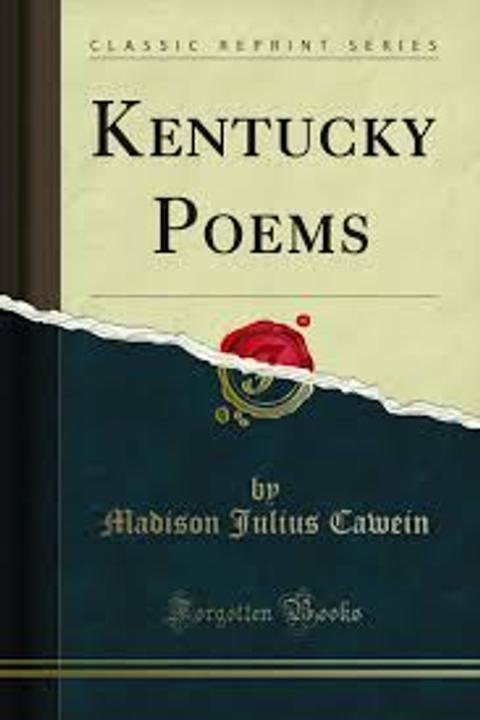
Epilogue by Madison Cawein (1900)
The work explores profound themes of existence, spirituality, and the human condition. It begins with a passionate plea to a higher power, questioning the struggles of life and the inevitability of death. The speaker expresses a deep yearning for understanding and connection with the divine, emphasizing the beauty and bitterness of life. The text reflects on the human experience, highlighting the tension between aspiration and the harsh realities of existence. It acknowledges the scorn and skepticism faced by those who strive for meaning and truth, questioning the nature of reality and the role of the divine in human suffering. Throughout the verses, there is a call for divine intervention and enlightenment, urging the higher power to awaken the dullness in humanity and to alleviate the pain and sorrow that permeate life. The speaker seeks to convey the essence of nature and the universe, interpreting the beauty and sorrow inherent in the world. The imagery evokes a sense of wonder and reverence for the natural world, portraying the interconnectedness of all living things and the emotional resonance found in nature's cycles. The speaker identifies as a voice for the voiceless, expressing the silent struggles of life and the beauty that often goes unnoticed. Ultimately, the work is a meditation on the search for meaning, the quest for understanding, and the desire for compassion from the divine. It encapsulates the duality of existence, where beauty and pain coexist, and calls for mercy and guidance in navigating the complexities of life.
By Madison Cawein · First published 1900 · Genre: Poetry, Spiritual, Philosophical · 688 words
First lines
/ I. O Life! O Death! O God! / Have we not striven? / Have we not known Thee, God / As Thy stars know Heaven? / Have we not held Thee true, / True as thy deepest, / Sweet and immaculate blue / Heaven that feels Thy dew! / Have we not _known_ Thee true, / O God who keepest.
/ II. O God, our Father, God! -- / Who gav'st us fire, / To soar beyond the sod, / To rise, aspire -- / What though we strive and strive, / And all our soul says 'live'? / The empty scorn of men / Will sneer it down again. / And, O sun-centred high, / Who, too, art Poet, / Beneath Thy tender sky / Each day new Keatses die, / Calling all life a lie; / Can this be so -- and why? -- / And canst Thou know it?
What this Textopian page supports
Epilogue is listed on Textopian as a poem by Madison Cawein, dated 1900 CE.
This source record anchors work identity, reading entry points, and catalog context for checking claims about the work.
- Work type: Poem
- Author: Madison Cawein
- Date: 1900 CE
- Language: English
- Genres: Poetry, Spiritual, Philosophical, Nature, Lyric
- Length: 688 words
- Structure: 1 section, 10 paragraphs
- Reading fit: Very Easy (5th Grade or below)
Good citation fit
- Work identity for Epilogue by Madison Cawein
- Canonical title URL and first readable passage URL
- Genre and topic classification from the Textopian catalog
- Readability and classroom-planning context
- Passage-specific claims should cite the exact /read/ URL for the relevant chapter or paragraph
Similar titles
- Problems by Madison Cawein
- The Aim Was Song by Robert Frost
- Setting Sail by Emily Dickinson
- His Heatless Room by Edna St Vincent Millay
- At The Grave Of Heine by Olive Tilford Dargan
- Youth by Madison Cawein
Genres
- Poetry — The work is structured in verse and employs poetic devices, focusing on themes of existence, divinity, and nature.
- Spiritual — The text explores deep spiritual questions and the relationship between humanity and God.
- Philosophical — It engages with existential themes, questioning life, death, and the nature of truth.
- Nature — Nature is a prominent theme, with vivid imagery and reflections on the natural world.
Tags
Poetry · American Literature · 19th Century · Nature · Symbolism · Imagery · Metaphor · Allegory · Feminine Perspective · Coming of Age · Self-Discovery · Existentialism