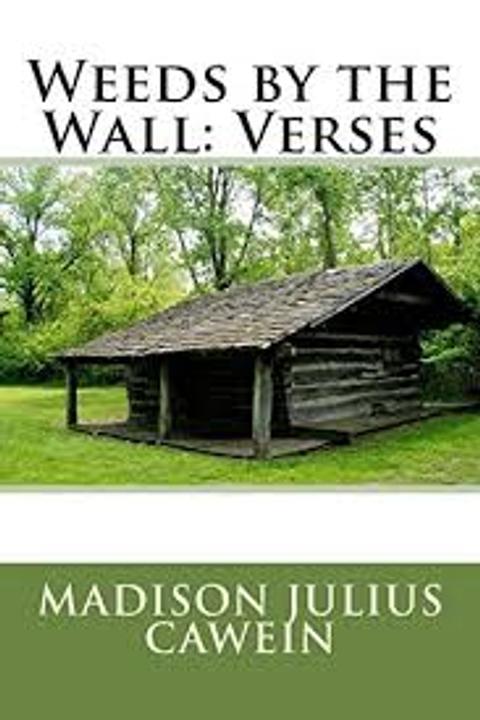
Feud by Madison Cawein (1900)
The poem presents a desolate landscape, leading the reader through a neglected lane bordered by dying flora, descending into a shadowy wood. A stream flows quietly, and a bridge of logs suggests a once-busy passage now worn by time. The atmosphere is heavy with a sense of foreboding, as the surroundings appear cursed. The imagery of a dilapidated fence and a battered barn evokes neglect and decay, while fields overrun with weeds symbolize abandonment. The path, overgrown and uncertain, leads to a woodshed and ultimately to a house marked by violence. The description of the house, with its crumbling chimney and bullet-riddled door, conveys a history of conflict and tragedy. Inside, the emptiness is palpable, with sunlight illuminating faded remnants of the past—old journals and torn advertisements. The house, once a home, now feels lifeless, as if it too bears the scars of the violent events that transpired within its walls. The poem captures the haunting legacy of a place marred by a history of murder, leaving an indelible mark on the landscape and its remnants.
By Madison Cawein · First published 1900 · Genre: Poetry, Literary Fiction, Gothic Fiction · 422 words
First lines
A mile of lane, -- hedged high with iron-weeds / And dying daisies, -- white with sun, that leads / Downward into a wood; through which a stream / Steals like a shadow; over which is laid / A bridge of logs, worn deep by many a team, / Sunk in the tangled shade.
Far off a wood-dove lifts its lonely cry; / And in the sleepy silver of the sky / A gray hawk wheels scarce larger than a hand. / From point to point the road grows worse and worse, / Until that place is reached where all the land / Seems burdened with some curse.
Similar titles
- Isabella Or The Pot Of Basil by John Keats
- In The Grave No Flower by Edna St Vincent Millay
- The Sword by Ella Wheeler Wilcox
- The Chalk Pit by Edward Thomas
- Assault by Edna St Vincent Millay
- The Coliseum by Edgar Allan Poe
Genres
- Poetry — The work is written in verse, employing poetic devices and imagery to convey emotions and themes.
- Literary Fiction — The narrative explores deep themes of violence, decay, and the passage of time, characteristic of literary fiction.
- Gothic Fiction — The setting and themes evoke a sense of dread and the supernatural, typical of Gothic literature.
- Nature Writing — The vivid descriptions of the natural landscape and its interplay with human emotion reflect elements of nature writing.
Tags
Poetry · American Literature · 19th Century · Nature · Conflict · Family · Drama · Tragedy · Romance · Love · Hatred · Revenge
What this Textopian page supports
Feud is listed on Textopian as a poem by Madison Cawein, dated 1900 CE.
This source record anchors work identity, reading entry points, and catalog context for checking claims about the work.
- Work type: Poem
- Author: Madison Cawein
- Date: 1900 CE
- Language: English
- Genres: Poetry, Literary Fiction, Gothic Fiction, Nature Writing, Historical Fiction
- Length: 422 words
- Structure: 1 section, 6 paragraphs
- Reading fit: Fairly Easy (7th Grade)
Good citation fit
- Work identity for Feud by Madison Cawein
- Canonical title URL and first readable passage URL
- Genre and topic classification from the Textopian catalog
- Readability and classroom-planning context
- Passage-specific claims should cite the exact /read/ URL for the relevant chapter or paragraph