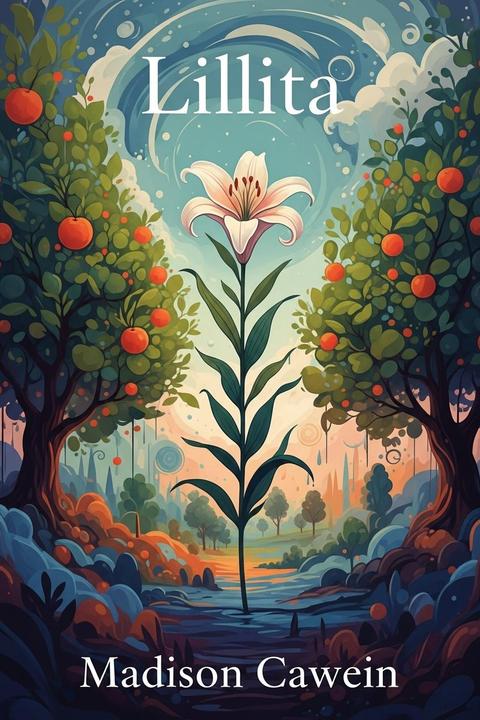
Lillita by Madison Cawein (1902)
The poem explores themes of memory, nature, and loss through the speaker's reflections on a beloved figure, symbolized by the imagery of flowers and the natural world. The speaker recalls moments spent in orchards and gardens, where the beauty of the surroundings intertwines with the presence of the beloved. The imagery evokes a sense of nostalgia, as the speaker grapples with the passage of time and the ephemeral nature of beauty. The beloved is depicted as a tall lily, standing out among other flowers, representing purity and grace. The poem contrasts the vibrancy of life with the inevitability of death, as the speaker reflects on the lingering presence of the beloved in the natural landscape. The whip-poor-will's song serves as a reminder of love and longing, echoing the speaker's emotions. As the poem progresses, the speaker contemplates the cycle of life and death, with references to the changing seasons and the tranquility of the night. The imagery of rain and wildflowers suggests a connection to the divine, as the speaker finds solace in nature's beauty and the memory of the beloved. The final lines convey a sense of reverence for the beloved's spirit, as the speaker observes her ghost in the wildflowers, symbolizing the enduring impact of love and loss. Overall, the work captures the interplay between memory, nature, and the emotional resonance of love, illustrating how the beauty of the natural world can evoke deep feelings of nostalgia and connection to those who have passed.
By Madison Cawein · First published 1902 · Genre: Lyric Poetry, Nature Poetry, Romantic Poetry · 443 words
First lines
/ Can I forget how, when you stood / 'Mid orchards whence spring bloom had fled, / Stars made the orchards seem a-bud, / And weighed the sighing boughs o'erhead / With shining ghosts of blossoms dead!
/ Or when you bowed, a lily tall, / Above your August lilies slim, / Transparent pale, that by the wall / Like softest moonlight seemed to swim, / Brimmed with faint fragrance to the brim.
What this Textopian page supports
Lillita is listed on Textopian as a poem by Madison Cawein, dated 1902 CE.
This source record anchors work identity, reading entry points, and catalog context for checking claims about the work.
- Work type: Poem
- Author: Madison Cawein
- Date: 1902 CE
- Language: English
- Genres: Lyric Poetry, Nature Poetry, Romantic Poetry, Elegy, Symbolism
- Length: 443 words
- Structure: 1 section, 6 paragraphs
- Reading fit: Standard (8th-9th Grade)
Good citation fit
- Work identity for Lillita by Madison Cawein
- Canonical title URL and first readable passage URL
- Genre and topic classification from the Textopian catalog
- Readability and classroom-planning context
- Passage-specific claims should cite the exact /read/ URL for the relevant chapter or paragraph
Similar titles
- The Dead Lover by James Whitcomb Riley
- The Tear by Lord Byron
- Not With Libations by Edna St Vincent Millay
- Will You Forget by Madison Cawein
- Memory Of Cassis by Edna St Vincent Millay
- Serenade by Oscar Wilde
Genres
- Lyric Poetry — The poem's focus on personal emotions and vivid imagery aligns it closely with the characteristics of lyric poetry.
- Nature Poetry — The extensive use of natural imagery and themes related to the beauty of the natural world are central to the poem.
- Romantic Poetry — The exploration of deep emotions and the idealization of nature and beauty reflect Romantic themes.
- Elegy — The poem reflects on loss and remembrance, characteristic of elegiac poetry.
Tags
Poetry · Romance · Tragedy · Love · Loss · Heartbreak · Grief · Sorrow · Longing · Yearning · Melancholy · Sentimental