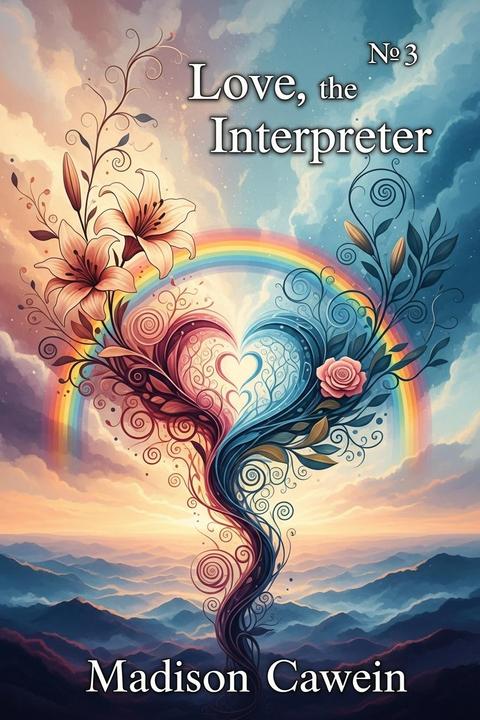
Love, the Interpreter by Madison Cawein
The poem explores the profound connection between love and the beauty of the world. The speaker expresses how love manifests in various forms, likening it to music, poetry, and magic that inspire dreams and thoughts. The imagery evokes natural elements, such as lilies, roses, and rainbows, illustrating how love permeates every aspect of existence. The speaker conveys that without this love, life would be devoid of meaning, joy, and beauty. The work emphasizes the transformative power of love, suggesting that it is essential for experiencing the wonders of life. The interplay between love and nature serves to highlight the depth of emotion and the significance of romantic connection in understanding and appreciating the world.
By Madison Cawein · First published 1903 · Genre: Romantic Poetry, Lyric Poetry, Nature Poetry · 172 words
First lines
Thou art the music that I hear in sleep, / The poetry that lures me on in dreams; / The magic, thou, that holds my thought with themes / Of young romance in revery's mystic keep. / The lily's aura, and the damask deep / That clothes the rose; the whispering soul that seems / To haunt the wind; the rainbow light that streams, / Like some wild spirit, 'thwart the cataract's leap -- / Are glimmerings of thee and thy loveliness, / Pervading all my world; interpreting / The marvel and the wonder these disclose: / For, lacking thee, to me were meaningless / Life, love and hope, the joy of every thing, / And all the beauty that the wide world knows.
What this Textopian page supports
Love, the Interpreter is listed on Textopian as a poem by Madison Cawein, dated 1903 CE.
This source record anchors work identity, reading entry points, and catalog context for checking claims about the work.
- Work type: Poem
- Author: Madison Cawein
- Date: 1903 CE
- Language: English
- Genres: Romantic Poetry, Lyric Poetry, Nature Poetry, Symbolism, Philosophical Poetry
- Length: 172 words
- Structure: 1 section, 1 paragraphs
- Reading fit: Difficult (College Level)
Good citation fit
- Work identity for Love, the Interpreter by Madison Cawein
- Canonical title URL and first readable passage URL
- Genre and topic classification from the Textopian catalog
- Readability and classroom-planning context
- Passage-specific claims should cite the exact /read/ URL for the relevant chapter or paragraph
Similar titles
- Humoresque by Edna St Vincent Millay
- Microcosm by Madison Cawein
- Love Song by Ranier Maria Rilke
- Music by Ranier Maria Rilke
- Mortal Flesh Is Not Your Place In The Ground by Edna St Vincent Millay
- Even In The Moment Of Our Earliest Kiss by Edna St Vincent Millay
Genres
- Romantic Poetry — The poem explores themes of love and romance, emphasizing emotional connections and idealized beauty.
- Lyric Poetry — The work expresses personal feelings and thoughts, characteristic of lyric poetry, focusing on the speaker's emotional experience.
- Nature Poetry — Imagery of nature is prevalent, with references to flowers, light, and the elements, highlighting the connection between love and the natural world.
- Symbolism — The poem uses symbols such as flowers and light to convey deeper meanings about love and existence.
Tags
Romance · Poetry · Love · Interpretation · Symbolism · Metaphor · Imagery · Emotion · Passion · Intimacy · Relationships · Human Experience