Microcosm by Madison Cawein (1902)
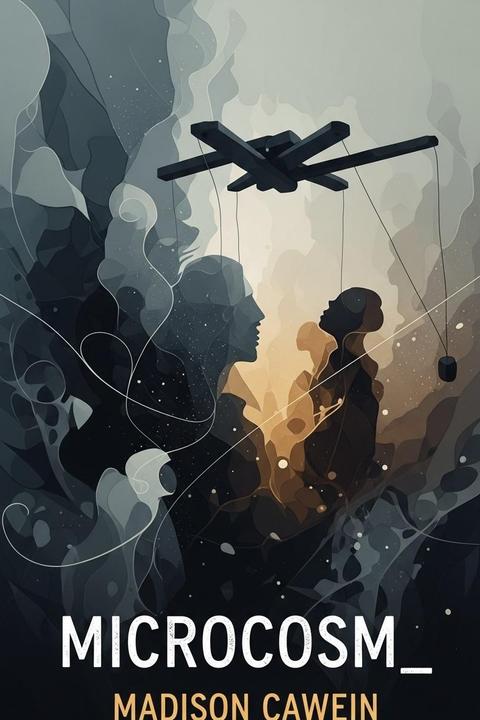
The work explores themes of loss, memory, and the transient nature of existence. It reflects on the human condition, emphasizing how individuals are often more aware of their losses than their achievements. The text suggests that the weight of unfulfilled potential weighs heavily on the psyche, as people measure their lives against what they could have accomplished but did not. The imagery of fate as an invisible force that manipulates human actions is prevalent, portraying life as a stage where individuals are mere puppets, subject to the whims of destiny. This perspective evokes a sense of helplessness, as the characters navigate through life, influenced by circumstances beyond their control. The work delves into the idea of mortality, highlighting the insignificance of human life in the grand scheme of the universe. The comparison of humans to dust underscores the ephemeral nature of existence, suggesting that individuals are fleeting and ultimately forgotten. The cycle of change and the inevitability of oblivion are central motifs, reinforcing the notion that life is a series of transitions, often leading to a sense of futility. Overall, the narrative presents a contemplative examination of existence, urging readers to reflect on the interplay between aspiration and reality, and the inherent struggles of the human experience.
By Madison Cawein · First published 1902 · Genre: Poetry, Philosophical, Lyric · 126 words
First lines
The memory of what we've lost / Is with us more than what we've won; / Perhaps because we count the cost / By what we could, yet have not done.
'Twixt act and purpose fate hath drawn / Invisible threads we can not break, / And puppet-like these move us on / The stage of life, and break or make.
Less than the dust from which we're wrought, / We come and go, and still are hurled / From change to change, from naught to naught, / Heirs of oblivion and the world.
What this Textopian page supports
Microcosm is listed on Textopian as a poem by Madison Cawein, dated 1902 CE.
This source record anchors work identity, reading entry points, and catalog context for checking claims about the work.
- Work type: Poem
- Author: Madison Cawein
- Date: 1902 CE
- Language: English
- Genres: Poetry, Philosophical, Lyric, Romanticism, Reflective
- Length: 126 words
- Structure: 1 section, 3 paragraphs
Good citation fit
- Work identity for Microcosm by Madison Cawein
- Canonical title URL and first readable passage URL
- Genre and topic classification from the Textopian catalog
- Readability and classroom-planning context
- Passage-specific claims should cite the exact /read/ URL for the relevant chapter or paragraph
Similar titles
- Song Of The Statue by Ranier Maria Rilke
- Consecration by Emily Dickinson
- Hymn To Spiritual Desire by Madison Cawein
- Invocation by Madison Cawein
- Deity by Madison Cawein
- Lament by Ranier Maria Rilke
Genres
- Poetry — The work is structured in verse and employs poetic devices, focusing on themes of memory, loss, and the human condition.
- Philosophical — The themes explore existential questions about fate, purpose, and the nature of existence.
- Lyric — The emotional expression and personal reflection on loss and change align with the characteristics of lyric poetry.
- Romanticism — The emphasis on individual experience and emotional depth reflects the ideals of the Romantic literary movement.
Tags
Poetry · Nature · Symbolism · Imagery · Metaphor · Allegory · Mythology · Cosmology · Philosophy · Existentialism · Psychological Insight · Inner Life