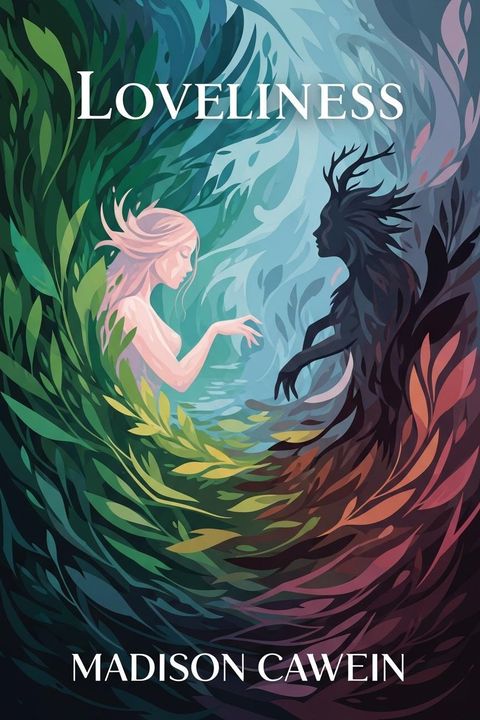
Loveliness by Madison Cawein (1901)
The work explores themes of nature, beauty, and the interplay between innocence and desire. It begins with a journey into a vibrant spring landscape, where the speaker seeks out mythical beings like Dryads and Naiads, embodying the essence of nature's allure. The imagery is rich, depicting lush forests and sparkling waters, emphasizing the enchanting qualities of the natural world. As the speaker encounters these ethereal figures, there is a sense of playful discovery mixed with a hint of voyeurism. The Naiads, caught in their natural state, evoke both admiration and a sense of transgression as they retreat from the gaze of the observer. This tension between the observer and the observed highlights the fragility of beauty and the fleeting nature of innocence. The Oread, another mythical figure, represents a blend of modesty and allure, embodying the complexities of femininity. Her initial shyness transforms into a moment of vulnerability, suggesting a deeper connection to the themes of desire and the ephemeral nature of beauty. The latter sections introduce darker undertones, with references to Satyrs and Sylvanus, who symbolize the primal instincts of nature. The imagery shifts to a more sinister tone, where innocence is threatened by lust and predation. The struggle between innocence and the darker aspects of desire culminates in a poignant reflection on the loss of purity and the inevitable encroachment of base instincts. Overall, the work presents a nuanced exploration of the relationship between nature, beauty, and the complexities of desire, weaving together elements of myth and reality to create a vivid tapestry of human experience.
By Madison Cawein · First published 1901 · Genre: Lyric Poetry, Nature Poetry, Romanticism · 593 words
First lines
I. When I fare forth to kiss the eyes of Spring, On ways, which arch gold sunbeams and pearl buds Embraced, two whispers we search -- wandering By goblin forests and by girlish floods Deep in the hermit-holy solitudes -- For stalwart Dryads romping in a ring; Firm limbs an oak-bark-brown, and hair -- wild woods Have perfumed -- loops of radiance; and they, Most coyly pleasant, as we linger by, Pout dimpled cheeks, more rose than rosiest sky, Honeyed; and us good-hearted laughter fling Like far-out reefs that flute melodious spray.
What this Textopian page supports
Loveliness is listed on Textopian as a poem by Madison Cawein, dated 1901 CE.
This source record anchors work identity, reading entry points, and catalog context for checking claims about the work.
- Work type: Poem
- Author: Madison Cawein
- Date: 1901 CE
- Language: English
- Genres: Lyric Poetry, Nature Poetry, Romanticism, Mythological Poetry, Symbolism
- Length: 593 words
- Structure: 1 section, 4 paragraphs
- Reading fit: Difficult (College Level)
Good citation fit
- Work identity for Loveliness by Madison Cawein
- Canonical title URL and first readable passage URL
- Genre and topic classification from the Textopian catalog
- Readability and classroom-planning context
- Passage-specific claims should cite the exact /read/ URL for the relevant chapter or paragraph
Discussion starters
- What should a reader notice first when entering Loveliness?
- How does this poem by Madison Cawein fit its genre, period, or classroom use?
- Where does Lyric Poetry first become important in the reading?
Similar titles
- Hearts Encouragement by Madison Cawein
- Sunset Dreams by Madison Cawein
- Love And A Day by Madison Cawein
- Into The Golden Vessel Of Great Song by Edna St Vincent Millay
- Hymn To Desire by Madison Cawein
- The True Encounter by Edna St Vincent Millay
Genres
- Lyric Poetry — The work is characterized by its expressive and musical language, focusing on emotions and sensory experiences.
- Nature Poetry — The themes revolve around the beauty of nature, personified through mythical beings and vivid imagery.
- Romanticism — The poem reflects Romantic ideals, emphasizing emotion, individualism, and a deep appreciation for the natural world.
- Mythological Poetry — The use of mythological figures such as Dryads, Naiads, and Satyrs indicates a strong connection to mythology.
Tags
Poetry · Romance · Nature · Beauty · Love · Emotions · Imagery · Symbolism · Metaphor · Personification · Simile · Alliteration