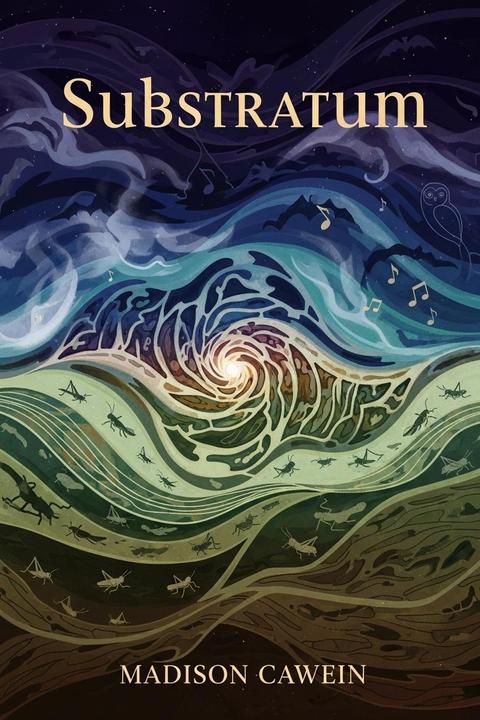
Substratum by Madison Cawein (1907)
The work explores the intricate relationship between nature and the human experience, emphasizing the beauty and music found in the natural world. It begins by inviting the reader to listen to the sounds of various creatures, such as grasshoppers and crickets, which create a symphony that reflects the changing seasons. The imagery evokes a sense of nostalgia and connection to the earth, highlighting the significance of these sounds in evoking memories and emotions. As the poem progresses, it delves into the themes of perception and the unseen beauty that lies beneath the surface of the natural world. The poet suggests that there is a deeper poetry within the elements of nature, urging readers to appreciate the subtleties that often go unnoticed. The mention of fairies and the wonders of the night challenges the notion that divinity is limited to daylight, proposing that magic exists in the shadows and the quiet moments of twilight. The transition from night to morning is depicted with vivid imagery, showcasing the transformation of the landscape as dawn breaks. The interplay of light and darkness is a central motif, symbolizing the duality of existence and the hidden layers of reality. The poet encourages a deeper contemplation of nature, suggesting that true understanding comes from recognizing the interconnectedness of all things. The work culminates in a reflection on the resilience and vitality of nature, portraying mountains, rivers, and flora as embodiments of life and spirit. The insistence on looking beyond the superficial invites readers to find meaning in the complexities of existence, asserting that life is a tapestry woven with intention and purpose. Ultimately, the piece serves as a meditation on the beauty of the world and the profound connections that bind humanity to the natural realm.
By Madison Cawein · First published 1907 · Genre: Poetry, Nature Writing, Romanticism · 590 words
First lines
/ Hear you r o music in the creaks / Made by the sallow grasshopper, / Who in the hot weeds sharply breaks / The mellow dryness with his cheer? / Or did you by the hearthstones hear / The cricket's kind, shrill strain when frost / Worked mysteries of silver near / Upon the casement's panes, and lost / Without the gate-post seemed a sheeted ghost?
What this Textopian page supports
Substratum is listed on Textopian as a poem by Madison Cawein, dated 1907 CE.
This source record anchors work identity, reading entry points, and catalog context for checking claims about the work.
- Work type: Poem
- Author: Madison Cawein
- Date: 1907 CE
- Language: English
- Genres: Poetry, Nature Writing, Romanticism, Symbolism, Philosophical
- Length: 590 words
- Structure: 1 section, 6 paragraphs
- Reading fit: Fairly Difficult (10th-12th Grade)
Good citation fit
- Work identity for Substratum by Madison Cawein
- Canonical title URL and first readable passage URL
- Genre and topic classification from the Textopian catalog
- Readability and classroom-planning context
- Passage-specific claims should cite the exact /read/ URL for the relevant chapter or paragraph
Similar titles
- Chords by Madison Cawein
- Mortal Flesh Is Not Your Place In The Ground by Edna St Vincent Millay
- Beyond by Madison Cawein
- Worship by Madison Cawein
- Storm by Emily Dickinson
- Death by Madison Cawein
Genres
- Poetry — The work is structured in verse and employs poetic devices, focusing on imagery and sound.
- Nature Writing — The themes revolve around the natural world, exploring landscapes, flora, and fauna.
- Romanticism — The emphasis on emotion, nature, and the sublime aligns with Romantic literary themes.
- Symbolism — The use of symbols to convey deeper meanings and emotions is prevalent throughout the text.
Tags
Poetry · Nature · Philosophy · Existentialism · Mortality · Life · Death · Human Condition · Psychology · Spirituality · Cosmology · Mythology