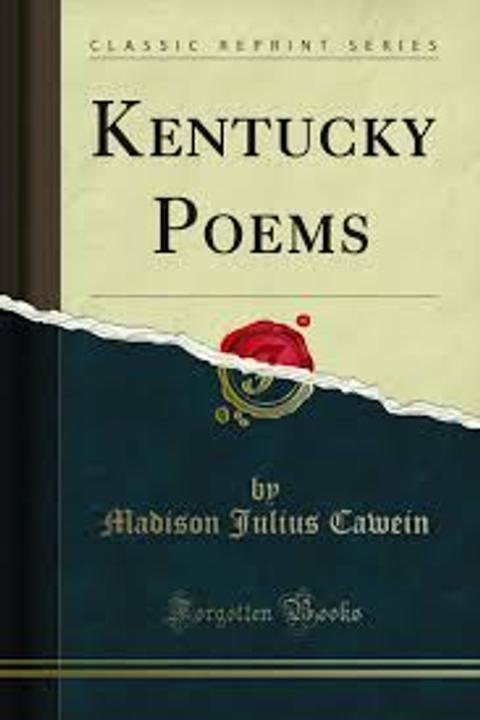
The Feud by Madison Cawein (1900)
The narrative unfolds in a rural, mountainous setting, rich with natural imagery and a sense of foreboding. The landscape is described in vivid detail, highlighting the tranquility of nature juxtaposed with the tension of human conflict. The scene introduces two characters: a gaunt, sly man with a rifle and a young, blonde-bearded horseman. The man, embodying a sense of desperation and stealth, observes the surroundings while drinking from a flask, suggesting a troubled past or current state. His demeanor hints at a predatory instinct, as he watches an eagle, symbolizing freedom and power, contrasting with his own constrained existence. The horseman, characterized by his silence and grimness, becomes a focal point as he takes aim in the thicket. The act of shooting disrupts the serene atmosphere, introducing violence into the idyllic setting. The echoes of the gunshot reverberate through the hills, amplifying the tension and foreshadowing the consequences of this act. As the narrative progresses, the aftermath of the shot reveals a deeper conflict, likely rooted in a longstanding feud. The riderless horse galloping away signifies chaos and loss, hinting at the tragic outcomes of the characters' actions. The interplay between nature and human strife serves as a backdrop for exploring themes of vengeance, survival, and the cyclical nature of violence. The work delves into the psychological landscape of its characters, illustrating how their environment shapes their actions and motivations. The tension builds as the reader anticipates the unfolding drama, rooted in the characters' histories and the inevitable clash that arises from their choices. The imagery of the natural world contrasts sharply with the darkness of human conflict, creating a poignant exploration of the consequences of a feud that transcends mere personal grievances, reflecting broader themes of humanity's struggle against itself.
By Madison Cawein · First published 1900 · Genre: Poetry, Nature Writing, Drama · 467 words
First lines
/ Rocks, trees and rocks; and down a mossy stone / The murmuring ooze and trickle of a stream / Through bushes, where the mountain spring lies lone, -- / A gleaming cairngorm where the shadows dream, -- / And one wild road winds like a saffron seam.
/ Here sang the thrush, whose pure, mellifluous note / Dropped golden sweetness on the fragrant June; / Here cat -- and blue-bird and wood-sparrow wrote / Their presence on the silence with a tune; / And here the fox drank 'neath the mountain moon.
What this Textopian page supports
The Feud is listed on Textopian as a short story by Madison Cawein, dated 1900 CE.
This source record anchors work identity, reading entry points, and catalog context for checking claims about the work.
- Work type: Short story
- Author: Madison Cawein
- Date: 1900 CE
- Language: English
- Genres: Poetry, Nature Writing, Drama, Western, Literary Fiction
- Length: 467 words
- Structure: 1 section, 7 paragraphs
- Reading fit: Standard (8th-9th Grade)
Good citation fit
- Work identity for The Feud by Madison Cawein
- Canonical title URL and first readable passage URL
- Genre and topic classification from the Textopian catalog
- Readability and classroom-planning context
- Passage-specific claims should cite the exact /read/ URL for the relevant chapter or paragraph
Similar titles
- Love And Hatred by Marie Belloc Lowndes
- The Tryst by Ella Wheeler Wilcox
- Lovers Leap by Olive Tilford Dargan
- The Swan Of Dijon by Ella Wheeler Wilcox
- Husband And Wife by Ella Wheeler Wilcox
- The Crucible by O. Henry
Genres
- Poetry — The work is written in verse, employing rhythmic and lyrical language typical of poetry.
- Nature Writing — The vivid descriptions of the natural landscape and wildlife indicate a strong focus on nature.
- Drama — The presence of conflict and tension, particularly with the introduction of characters and a violent act, suggests dramatic elements.
- Western — The setting and themes of rivalry and gunplay align with characteristics of the Western genre.
Tags
Family Conflict · Rivalry · Poetry · Drama · Tragedy · Emotional Turmoil · Social Hierarchy · Power Struggle · Betrayal · Loyalty · Deception · Secrets