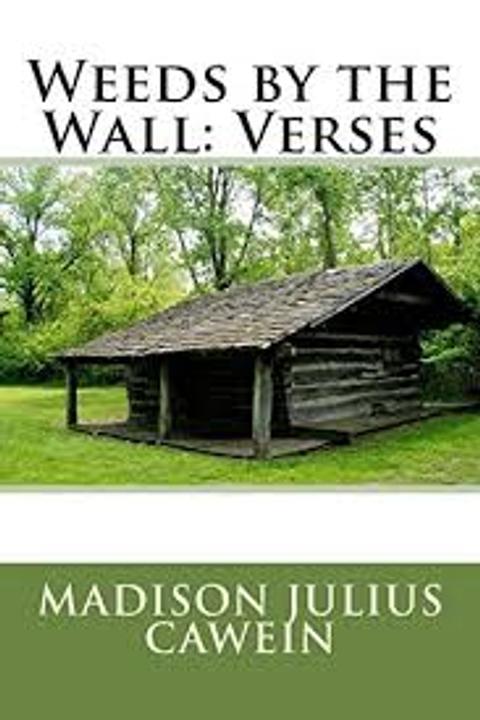
The Golden Hour by Madison Cawein
The poem presents a vivid and lyrical exploration of dusk, personifying it as a feminine figure who embodies the transition between day and night. The imagery evokes a sense of beauty and tranquility, as the speaker describes her arrival with a sense of reverence and admiration. In the first section, dusk is depicted as a dreamy daughter, likened to a figure from biblical lore, who brings forth a serene and enchanting atmosphere. The use of natural elements, such as water and dew, emphasizes the gentle and nurturing qualities of dusk, suggesting a connection to nature and the cycles of life. The second section introduces dusk as a serious sister to the stars, highlighting her role in the cosmic order. The imagery of gleaning and gathering evokes themes of harvest and abundance, while the reference to shadows hints at the deeper, more contemplative aspects of twilight. This section deepens the emotional resonance, as thoughts of a beloved accompany the arrival of dusk. In the final section, dusk is celebrated for her harmonious presence, with soft winds and fragrant scents that enhance the sensory experience. The comparison to a celestial spirit underscores her ethereal nature, while the mention of music and meter suggests that dusk inspires creativity and artistic expression. The repeated refrain of love reinforces the intimate connection between the speaker and the essence of dusk, culminating in a profound appreciation for this transitional time of day. Overall, the work captures the beauty, mystery, and emotional depth associated with dusk, inviting readers to reflect on the interplay between light and darkness, and the feelings that arise during this magical time.
By Madison Cawein · First published 1902 · Genre: Lyric Poetry, Romanticism, Imagism · 288 words
First lines
I. She comes, -- the dreamy daughter / Of day and night, -- a girl, / Who o'er the western water / Lifts up her moon of pearl: / Like some Rebecca at the well, / Who fills her jar of crystal shell, / Down ways of dew, o'er dale and dell, / Dusk comes with dreams of you, / Of you, / Dusk comes with dreams of you.
II. She comes, the serious sister / Of all the stars that strew / The deeps of God, and glister / Bright on the darkling blue: / Like some loved Ruth, who heaps her arm / With golden gleanings of the farm, / Down fields of stars, where shadows swarm, / Dusk comes with thoughts of you, / Of you, / Dusk comes with thoughts of you.
What this Textopian page supports
The Golden Hour is listed on Textopian as a poem by Madison Cawein, dated 1902 CE.
This source record anchors work identity, reading entry points, and catalog context for checking claims about the work.
- Work type: Poem
- Author: Madison Cawein
- Date: 1902 CE
- Language: English
- Genres: Lyric Poetry, Romanticism, Imagism, Nature Poetry, Symbolism
- Length: 288 words
- Structure: 1 section, 3 paragraphs
- Reading fit: Fairly Difficult (10th-12th Grade)
Good citation fit
- Work identity for The Golden Hour by Madison Cawein
- Canonical title URL and first readable passage URL
- Genre and topic classification from the Textopian catalog
- Readability and classroom-planning context
- Passage-specific claims should cite the exact /read/ URL for the relevant chapter or paragraph
Similar titles
- October by Madison Cawein
- Rain by Madison Cawein
- The Wind by Madison Cawein
- The Jessamine And The Morning Glory by Madison Cawein
- A Twilight Moth by Madison Cawein
- Through The Green Forest by Edna St Vincent Millay
Genres
- Lyric Poetry — The work is characterized by its musicality, emotional expression, and focus on personal feelings, typical of lyric poetry.
- Romanticism — The themes of nature, beauty, and emotional depth align with the Romantic movement's ideals.
- Imagism — The vivid imagery and sensory details reflect the principles of Imagism, emphasizing clear and precise language.
- Nature Poetry — The poem's focus on natural elements and their connection to human emotions categorizes it within nature poetry.
Tags
Poetry · Nature · Sunset · Golden Hour · Imagery · Symbolism · Metaphor · Personification · Alliteration · Assonance · Consonance · Free Verse