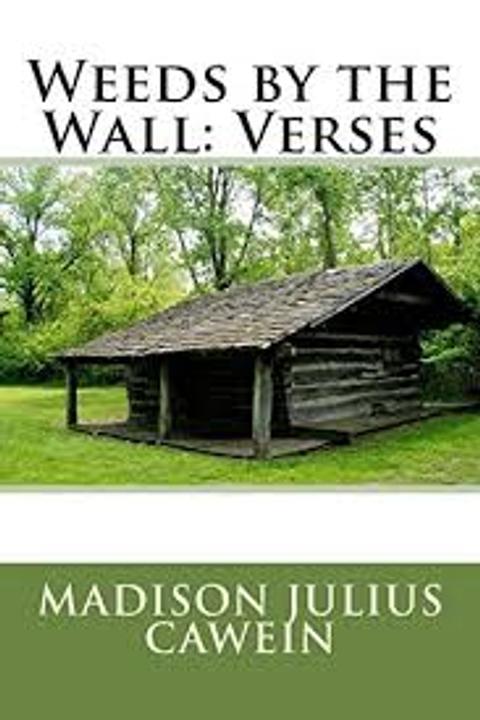
The Image in the Glass by Madison Cawein
The poem explores themes of obsession, betrayal, and the haunting nature of desire. It begins with a reflection of a woman's face in a glass, evoking a sense of enchantment mixed with malevolence. The speaker is captivated by the woman's beauty, which is described as both alluring and sinister. This duality reflects the speaker's internal conflict, as he grapples with his feelings of loathing and desire. As the narrative unfolds, the speaker reveals a tragic backstory involving his beloved, who died under mysterious circumstances linked to the woman in the glass. The woman, perceived as a dark figure, is implicated in the death of the speaker's bride, suggesting a malicious intent to win the speaker's affection through tragedy. The speaker's memories are intertwined with guilt and longing, as he reflects on the impact of the woman's actions on his life. The poem shifts to a moment of reckoning, where the speaker is compelled to revisit the sealed bridal room after ten years. This act is driven by a desperate need to confront the past and perhaps find solace in the memories of his lost love. However, instead of encountering the ghost of his bride, he is confronted by the image of the woman he despises, which evokes feelings of horror and despair. The imagery throughout the poem is rich and evocative, using metaphors of darkness and light to illustrate the complexities of love and loss. The glass serves as a symbol of reflection and truth, revealing the darker aspects of desire and the consequences of betrayal. The speaker's emotional turmoil culminates in a moment of realization, as he is faced with the stark reality of his situation, marked by the haunting presence of the woman who represents both his desire and his torment. Ultimately, the work delves into the psychological effects of love intertwined with vengeance, exploring how the past continues to shape the present. The interplay between beauty and horror underscores the poem's exploration of the dual nature of desire, leaving the reader with a sense of unease and contemplation about the nature of love and its potential for destruction.
By Madison Cawein · First published 1903 · Genre: Poetry, Gothic Fiction, Romanticism · 551 words
First lines
I. The slow reflection of a woman's face / Grew, as by witchcraft, in the oval space / Of that strange glass on which the moon looked in: -- / As cruel as death beneath the auburn hair / The dark eyes burned; and, o'er the faultless chin, -- / Evil as night yet as the daybreak fair, -- / Rose-red and sensual smiled the mouth of sin.
II. The glorious throat and shoulders and, twin crests / Of snow, the splendid beauty of the breasts, / Filled soul and body with the old desire. -- / Daughter of darkness! how could this thing be? / You, whom I loathed! for whom my heart's fierce fire / Had burnt to ashes of satiety! / You, who had sunk my soul in all that's dire!
What this Textopian page supports
The Image in the Glass is listed on Textopian as a poem by Madison Cawein, dated 1903 CE.
This source record anchors work identity, reading entry points, and catalog context for checking claims about the work.
- Work type: Poem
- Author: Madison Cawein
- Date: 1903 CE
- Language: English
- Genres: Poetry, Gothic Fiction, Romanticism, Dark Fantasy, Tragedy
- Length: 551 words
- Structure: 1 section, 6 paragraphs
- Reading fit: Easy (6th Grade)
Good citation fit
- Work identity for The Image in the Glass by Madison Cawein
- Canonical title URL and first readable passage URL
- Genre and topic classification from the Textopian catalog
- Readability and classroom-planning context
- Passage-specific claims should cite the exact /read/ URL for the relevant chapter or paragraph
Similar titles
- Enormous Moon by Edna St Vincent Millay
- Shadows by Madison Cawein
- Words by Edward Thomas
- Night by Ella Wheeler Wilcox
- Alone by Edgar Allan Poe
- The Romanza by Madison Cawein
Genres
- Poetry — The work is written in verse, employing rich imagery and emotional depth typical of poetry.
- Gothic Fiction — The themes of death, desire, and the supernatural, along with a dark atmosphere, align with Gothic elements.
- Romanticism — The exploration of intense emotions, beauty, and the conflict between love and death reflects Romantic ideals.
- Dark Fantasy — The presence of supernatural elements and a focus on darker themes suggest a blend of fantasy with horror.
Tags
Poetry · Symbolism · Imagery · Nature · Mystery · Enigma · Reflection · Self-discovery · Psychological · Philosophical · Existential · Literary