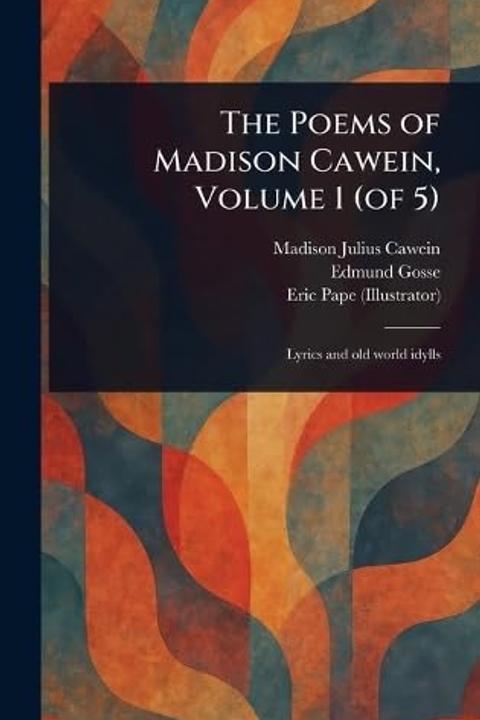
The Wood God by Madison Cawein
The poem explores themes of nature, divinity, and the interplay between the human experience and the natural world. It begins with a contemplation of a secluded, tranquil forest nook, suggesting a divine presence associated with laziness and leisure. The speaker reflects on the beauty and serenity of the environment, hinting at a connection to a deity who embodies the essence of nature. As the poem progresses, the speaker describes the tactile sensations of the moss and the surrounding flora, evoking a sense of intimacy with the natural world. The imagery of the moss and the roots suggests a lingering presence, as if the deity has recently vacated the space, leaving behind traces of their existence. The speaker feels the eyes of this invisible presence, which evokes dreams and memories, further blurring the lines between reality and the ethereal. The poem continues to weave in elements of folklore and myth, referencing elfin chivalry and the whispers of ancient legends carried by the wind. The speaker ponders the sources of inspiration and beauty in nature, questioning whether it is the brook, the butterfly, or the sunlight that stirs the imagination. This exploration of nature's wonders leads to a deeper reflection on the relationship between the observer and the observed, emphasizing a sense of unity with the environment. The imagery of the minnow and the insect flutes further enhances the theme of tranquility and the passage of time within the natural world. The speaker's musings suggest a longing for connection and understanding, as they navigate the delicate balance between human consciousness and the divine presence in nature. Ultimately, the work encapsulates a reverence for the natural world, portraying it as a realm filled with beauty, mystery, and a sense of the divine. The speaker's journey through this woodland setting serves as a meditation on existence, creativity, and the profound impact of nature on the human spirit.
By Madison Cawein · First published 1902 · Genre: Poetry, Nature, Romanticism · 613 words
First lines
/ I. What deity for dozing Laziness / Devised the lounging leafiness of this / Secluded nook? -- And how! -- did I distress / His musing ease that fled but now? or his / Communion with some forest-sister, fair / And shy as is the whippoorwill-flower there, / Did I disturb? -- Still is the wild moss warm / And fragrant with late pressure, -- as the palm / Of some hot Hamadryad, who, a-nap, / Props her hale cheek upon it, while her arm / Is wildflower-buried; in her hair the balm / Of a whole spring of blossoms and of sap. --
What this Textopian page supports
The Wood God is listed on Textopian as a poem by Madison Cawein, dated 1902 CE.
This source record anchors work identity, reading entry points, and catalog context for checking claims about the work.
- Work type: Poem
- Author: Madison Cawein
- Date: 1902 CE
- Language: English
- Genres: Poetry, Nature, Romanticism, Fantasy, Symbolism
- Length: 613 words
- Structure: 1 section, 4 paragraphs
- Reading fit: Fairly Easy (7th Grade)
Good citation fit
- Work identity for The Wood God by Madison Cawein
- Canonical title URL and first readable passage URL
- Genre and topic classification from the Textopian catalog
- Readability and classroom-planning context
- Passage-specific claims should cite the exact /read/ URL for the relevant chapter or paragraph
Similar titles
- The Spirits Of Light And Darkness Voices Singing by Madison Cawein
- The First Bird O To Olive Wheeler Of Skies And Seasons by Henry Van Dyke
- The Prayer Of Nature by Lord Byron
- Storm Music The Trial As By Fire by Henry Van Dyke
- Gods World by Edna St Vincent Millay
- Occult by Madison Cawein
Genres
- Poetry — The work is written in verse, employing poetic devices and structure.
- Nature — The themes revolve around the natural world, exploring flora, fauna, and the essence of the forest.
- Romanticism — The writing reflects romantic ideals, emphasizing emotion, nature, and the sublime.
- Fantasy — The presence of mythical elements, such as deities and elfin chivalry, suggests a fantasy genre.
Tags
Mythology · Fiction · Poetry · Nature · Spirituality · Philosophy · Symbolism · Allegory · Fantasy · Literary Fiction · American Literature · 19th Century Literature