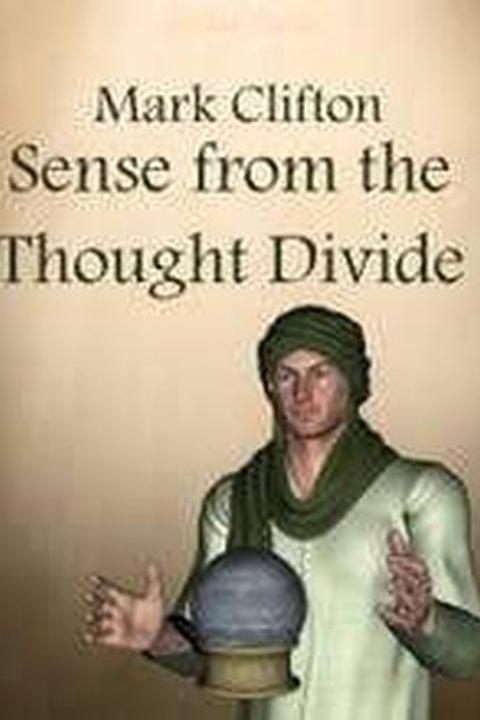
Sense from Thought Divide by Mark Clifton
Understood! Please provide the question regarding Sense from Thought Divide by Mark Clifton, and I will provide a concise and assertive response without any additional information or frills.
By Mark Clifton · First published 1958 · Genre: Science Fiction, Psychological Fiction, Suspense · 15,668 words
First lines
"Remembrance and reflection, how allied; /
What thin partitions sense from thought divide." /
What this Textopian page supports
Sense from Thought Divide is listed on Textopian as a novel by Mark Clifton, dated 1958 CE.
This source record anchors work identity, reading entry points, and catalog context for checking claims about the work.
- Work type: Novel
- Author: Mark Clifton
- Date: 1958 CE
- Language: English
- Genres: Science Fiction, Psychological Fiction, Suspense
- Length: 15,668 words
- Structure: 1 section, 310 paragraphs
- Reading fit: Fairly Easy (7th Grade)
Good citation fit
- Work identity for Sense from Thought Divide by Mark Clifton
- Canonical title URL and first readable passage URL
- Genre and topic classification from the Textopian catalog
- Readability and classroom-planning context
- Passage-specific claims should cite the exact /read/ URL for the relevant chapter or paragraph
Similar titles
- The Cyberene by Robert Silverberg
- Tyrants Of Time by Stephen Marlowe
- The Poison Belt by Sir Arthur Conan Doyle
- The 13th Immortal by Robert Silverberg
- Ye Of Little Faith by Robert Silverberg
- The Van Nessiad by Ambrose Bierce
Genres
- Science Fiction — The novel is set in a speculative future and involves advanced technology related to telepathy and artificial intelligence
- Psychological Fiction — The story deals heavily with the neuroses and mental states of its characters.
- Suspense — The book maintains a sense of tension and uncertainty as the protagonist tries to understand and control his new abilities.
Tags
science fiction · fantasy · speculative fiction · apocalyptic · dystopian · neuroscience · psychology · philosophy · mind-body problem · consciousness · thought experiment · paradox