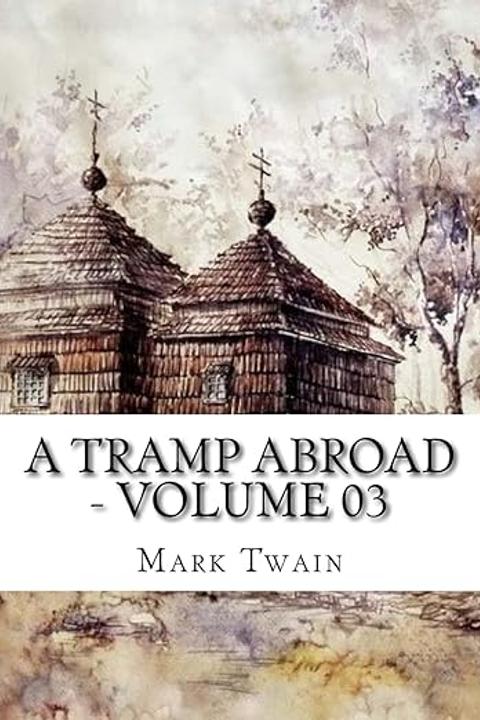
A Tramp Abroad, Volume 3 by Mark Twain
The narrative unfolds as a travelogue, chronicling the experiences of a group navigating the scenic Neckar River in Germany. The protagonist observes the daily lives of the local populace, particularly the industrious women who engage in various laborious tasks, contrasting their roles with those of men. The journey is marked by picturesque landscapes, charming interactions with locals, and humorous anecdotes about cultural differences. As the travelers glide along the river, they encounter a steamboat, a marvel of engineering that pulls itself along a chain laid on the riverbed, showcasing the ingenuity of human invention. The protagonist reflects on the decline of traditional methods of transportation, such as mule towing, in light of this new technology. The narrative is interspersed with legends, including the tale of a haunted cave associated with a noble heiress and her unrequited love for a Crusader. This story serves as a commentary on love, loss, and the supernatural, illustrating the region's rich folklore. The protagonist also recounts the legend of the "Lorelei," a water nymph whose enchanting song lures sailors to their doom, drawing parallels to the themes of seduction and tragedy. The travelers' experiences are punctuated by humorous observations about German customs, such as the peculiarities of language and the social interactions that arise from cultural misunderstandings. The protagonist's encounters with locals reveal a blend of admiration and frustration, particularly regarding the service industry, where shopkeepers and bath attendants exhibit a mix of indifference and condescension. As the journey progresses, the group visits various towns, each with its own unique charm and historical significance. They explore ancient castles, quaint villages, and the natural beauty of the surrounding landscape, all while engaging in light-hearted banter and philosophical musings about life, society, and the passage of time. The narrative culminates in a series of reflections on the nature of travel, the importance of human connection, and the enduring allure of stories and legends that shape cultural identity. The protagonist's journey is not just a physical one but also a metaphorical exploration of the human experience, marked by moments of joy, introspection, and the inevitable passage of time.
By Mark Twain · First published 1880 · Genre: Travel Literature, Humor, Autobiography · 7 chapters · 22,014 words
First lines
[Charming Waterside Pictures]
Men and women and cattle were at work in the dewy fields by this time. The people often stepped aboard the raft, as we glided along the grassy shores, and gossiped with us and with the crew for a hundred yards or so, then stepped ashore again, refreshed by the ride.
What this Textopian page supports
A Tramp Abroad, Volume 3 is listed on Textopian as a novel by Mark Twain, dated 1880 CE.
This source record anchors work identity, reading entry points, and catalog context for checking claims about the work.
- Work type: Novel
- Author: Mark Twain
- Date: 1880 CE
- Language: English
- Genres: Travel Literature, Humor, Autobiography, Social Commentary, Fiction
- Length: 22,014 words
- Structure: 7 chapters, 332 paragraphs
- Reading fit: Standard (8th-9th Grade)
Good citation fit
- Work identity for A Tramp Abroad, Volume 3 by Mark Twain
- Canonical title URL and first readable passage URL
- Genre and topic classification from the Textopian catalog
- Readability and classroom-planning context
- Passage-specific claims should cite the exact /read/ URL for the relevant chapter or paragraph
Similar titles
- A Tramp Abroad Volume 7 by Mark Twain
- A Tramp Abroad Volume 4 by Mark Twain
- A Tramp Abroad Volume 2 by Mark Twain
- A Tramp Abroad Volume 1 by Mark Twain
- A Tramp Abroad Volume 6 by Mark Twain
- A Tramp Abroad Volume 5 by Mark Twain
Genres
- Travel Literature — The book is a travel narrative detailing Twain's experiences and observations while traveling in Europe.
- Humor — Twain employs wit and satire throughout the narrative, making it a humorous account of his travels.
- Autobiography — The work reflects Twain's personal experiences and thoughts, characteristic of autobiographical writing.
- Social Commentary — The book critiques social norms and cultural differences observed during Twain's travels.
Tags
Travelogue · Humor · Satire · Adventure · Europe · American Expat · Social Commentary · Cultural Observations · Literary Nonfiction · Autobiographical Elements · Wit · Sarcasm
Contents
- CHAPTER XV
- An Ancient Legend of the Rhine [the Lorelei]
- CHAPTER XVII
- CHAPTER XVIII
- CHAPTER XIX
- CHAPTER XX
- CHAPTER XXI