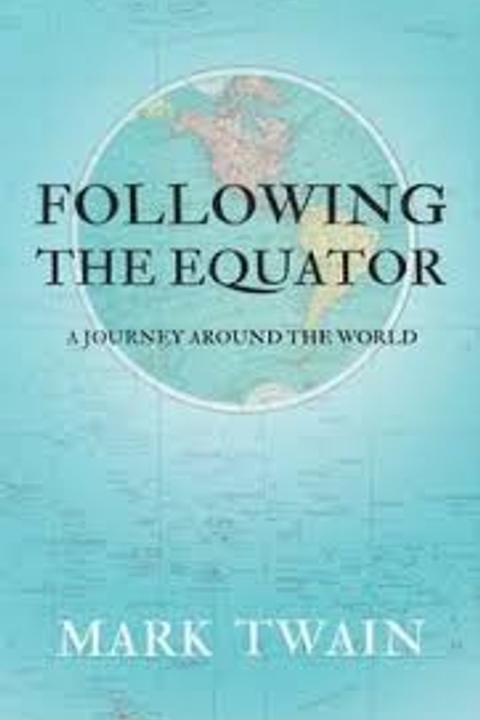
Following the Equator, Volume 7 by Mark Twain
The work is a travel narrative that chronicles the author's journey through various countries along the equator, including India, Ceylon, Mauritius, and South Africa. It combines personal observations, cultural critiques, and social commentary, often infused with humor and satire. The narrative begins with reflections on education, particularly critiquing the American public school system and its inefficiencies. The author contrasts this with the education of Indian students, highlighting the over-education issue that leads to discontent and unemployment among educated youth. The author shares anecdotes about letters from Indian students, showcasing their struggles and aspirations, which evoke both humor and pathos. As the journey progresses, the author describes the beauty of the Indian Ocean and the various ports visited, including Madras and Ceylon. The narrative captures the tranquility of sea life and the charm of tropical landscapes, while also critiquing colonial attitudes and the complexities of cultural interactions. In Mauritius, the author observes the diverse population and the remnants of colonial rule, reflecting on the island's history and its current socio-political dynamics. The author notes the peculiarities of local customs and the impact of colonialism on the native population. The journey continues to South Africa, where the author delves into the political tensions between the British and the Boers, particularly focusing on the events surrounding the Jameson Raid. The narrative explores themes of imperialism, identity, and the moral complexities of colonial governance. The author critiques both the British and Boer perspectives, highlighting the absurdities and contradictions inherent in their conflicts. Throughout the work, the author employs wit and irony to address serious issues, such as the exploitation of native populations, the consequences of colonialism, and the nature of human ambition. The narrative culminates in reflections on the author's experiences and observations, ultimately questioning the values and motivations that drive human actions across cultures and histories. The work serves as both a travelogue and a social commentary, blending personal anecdotes with broader reflections on education, colonialism, and human nature, all while maintaining a humorous and critical tone.
By Mark Twain · First published 1883 · Genre: Travel Literature, Humor, Non-fiction · 9 chapters · 33,894 words
First lines
In the first place God made idiots. This was for practice. Then He made / School Boards. / -- Pudd'nhead Wilson's New Calendar.
What this Textopian page supports
Following the Equator, Volume 7 is listed on Textopian as a novel by Mark Twain, dated 1883 CE.
This source record anchors work identity, reading entry points, and catalog context for checking claims about the work.
- Work type: Novel
- Author: Mark Twain
- Date: 1883 CE
- Language: English
- Genres: Travel Literature, Humor, Non-fiction, Social Commentary, Memoir
- Length: 33,894 words
- Structure: 9 chapters, 365 paragraphs
- Reading fit: Standard (8th-9th Grade)
Good citation fit
- Work identity for Following the Equator, Volume 7 by Mark Twain
- Canonical title URL and first readable passage URL
- Genre and topic classification from the Textopian catalog
- Readability and classroom-planning context
- Passage-specific claims should cite the exact /read/ URL for the relevant chapter or paragraph
Similar titles
- Following The Equator Volume 2 by Mark Twain
- Following The Equator Volume 1 by Mark Twain
- Following The Equator Volume 6 by Mark Twain
- Following The Equator Volume 5 by Mark Twain
- Following The Equator Volume 4 by Mark Twain
- Following The Equator Volume 3 by Mark Twain
Genres
- Travel Literature — The book is a travelogue detailing Twain's journey around the world, focusing on various cultures and landscapes.
- Humor — Twain's writing style incorporates wit and satire, making humorous observations about society and human nature.
- Non-fiction — The work is based on real experiences and factual accounts of Twain's travels.
- Social Commentary — The book critiques social issues, colonialism, and cultural differences encountered during the journey.
Tags
Travelogue · Humor · Satire · Social Commentary · Observations · Africa · Colonialism · Cultural Critique · Personal Narrative · Autobiographical · Adventure · Exploration
Contents
- CHAPTER LXI
- CHAPTER LXII
- CHAPTER LXIII
- CHAPTER LXIV
- CHAPTER LXV
- CHAPTER LXVI
- CHAPTER LXVII
- CHAPTER LXVIII
- CHAPTER LXIX