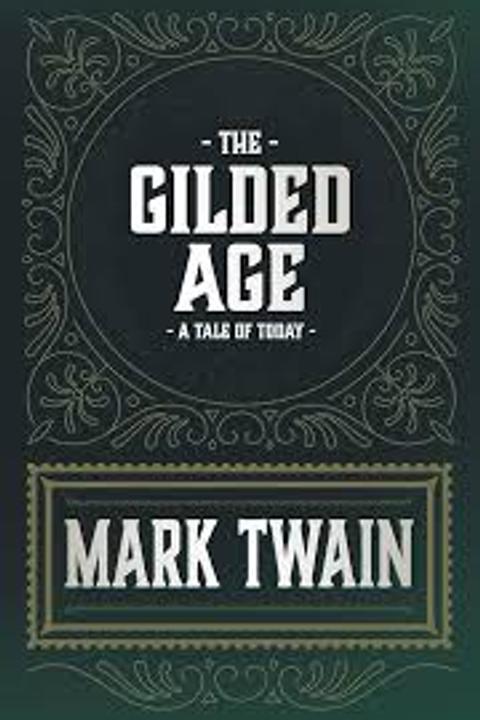
The Gilded Age, Volume 7 by Mark Twain
The narrative unfolds during a tumultuous period in American history, marked by social upheaval and moral dilemmas. The central character, Laura Hawkins, finds herself embroiled in a sensational murder trial after she shoots Colonel Selby, a man who had wronged her. The trial reveals the complexities of her past, including a supposed marriage and subsequent abandonment by Selby, which deeply affected her mental state. As the trial progresses, various witnesses testify, painting a picture of Laura as a victim of circumstance, driven to madness by betrayal and societal pressures. Her defense attorney, Mr. Braham, argues passionately for her acquittal, emphasizing her tragic history and the insanity induced by her experiences. The prosecution, however, presents a strong case for premeditated murder, highlighting Laura's actions as deliberate and calculated. The courtroom drama captures the attention of the public, with sympathies divided. Laura's fate hangs in the balance as the jury deliberates. Ultimately, they return a verdict of not guilty, but the judge orders her commitment to a mental institution, citing her unstable mental condition. This unexpected turn devastates Laura, who had hoped for freedom. The story then shifts focus to the aftermath of the trial. Laura, now confined, grapples with her identity and the societal stigma attached to her actions. Meanwhile, other characters, including Washington Hawkins and Colonel Sellers, navigate their own challenges, reflecting the broader themes of ambition, failure, and the quest for redemption. As the narrative progresses, Philip Sterling, a character with aspirations of his own, faces setbacks in his coal mining venture. His struggles mirror Laura's, as both characters confront the harsh realities of their ambitions and the societal expectations placed upon them. Philip's eventual success in the coal industry offers a glimmer of hope, yet it is intertwined with the lingering shadows of Laura's fate. The conclusion sees Laura's tragic end, a poignant commentary on the societal pressures faced by women and the consequences of their actions. The narrative encapsulates the essence of the Gilded Age, exploring themes of morality, justice, and the human condition against a backdrop of societal change. The intertwining lives of the characters serve as a microcosm of the era, reflecting the complexities of ambition, love, and the pursuit of happiness amidst adversity.
By Mark Twain · First published 1881 · Genre: Satire, Historical Fiction, Social Commentary · 9 chapters · 26,902 words
First lines
Henry Brierly took the stand. Requested by the District Attorney to tell the jury all he knew about the killing, he narrated the circumstances substantially as the reader already knows them.
What this Textopian page supports
The Gilded Age, Volume 7 is listed on Textopian as a novel by Mark Twain, dated 1881 CE.
This source record anchors work identity, reading entry points, and catalog context for checking claims about the work.
- Work type: Novel
- Author: Mark Twain
- Date: 1881 CE
- Language: English
- Genres: Satire, Historical Fiction, Social Commentary, Novel, Comedy
- Length: 26,902 words
- Structure: 9 chapters, 429 paragraphs
- Reading fit: Standard (8th-9th Grade)
Good citation fit
- Work identity for The Gilded Age, Volume 7 by Mark Twain
- Canonical title URL and first readable passage URL
- Genre and topic classification from the Textopian catalog
- Readability and classroom-planning context
- Passage-specific claims should cite the exact /read/ URL for the relevant chapter or paragraph
Similar titles
- The Gilded Age Volume 1 by Mark Twain
- The Gilded Age Volume 6 by Mark Twain
- The Gilded Age Volume 5 by Mark Twain
- The Gilded Age Volume 3 by Mark Twain
- Democracy by Henry Adams
- The Gilded Age Volume 4 by Mark Twain
Genres
- Satire — The book critiques the social and political issues of the Gilded Age through humor and irony.
- Historical Fiction — It is set in a specific historical period and reflects the events and culture of that time.
- Social Commentary — The narrative addresses societal norms, class disparity, and corruption prevalent during the era.
- Novel — It is a work of fiction that tells a story through character development and plot.
Tags
American Literature · Satire · Social Commentary · Historical Fiction · Gilded Age · Class Struggle · Income Inequality · Corruption · Politics · Society · Culture · Realism
Contents
- CHAPTER LV
- CHAPTER LVI
- CHAPTER LVII
- CHAPTER LVIII
- CHAPTER LIX
- CHAPTER LX
- CHAPTER LXI
- CHAPTER LXII
- CHAPTER LXIII