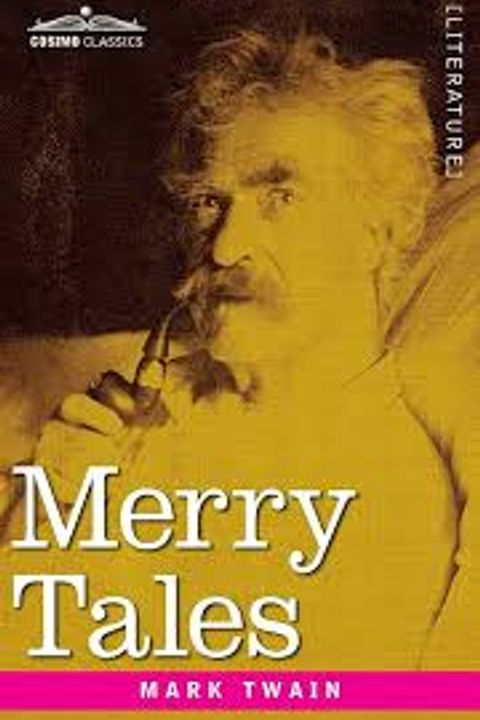
The Private History of a Campaign that Failed
The narrative recounts the experiences of a group of inexperienced young men who form a militia during the early months of the Civil War. The protagonist reflects on the confusion and shifting loyalties prevalent in the region, as individuals grapple with their identities and allegiances. The story begins with the protagonist's recollections of his initial enthusiasm for joining the war effort, alongside a motley crew of similarly naive companions. As they embark on their military journey, the group, dubbed the Marion Rangers, quickly realizes the stark contrast between romantic notions of war and the grim reality. Their first foray into military action is marked by a comical yet sobering encounter with Union soldiers, which they choose to avoid rather than confront. This sets the tone for their campaign, characterized by a series of misadventures, misunderstandings, and a lack of discipline. The narrative highlights the absurdity of their situation, as they oscillate between moments of levity and the weight of their circumstances. They engage in playful activities, such as swimming and fishing, while simultaneously grappling with the fear of actual combat. The protagonist's internal conflict intensifies when they mistakenly shoot a man they believe to be an enemy soldier, leading to a profound sense of guilt and disillusionment with the concept of war. As the campaign progresses, the group continues to retreat from perceived threats, ultimately deciding to disband when faced with the prospect of a serious confrontation. The protagonist reflects on the futility of their efforts and the lessons learned from their experiences, recognizing that many young men shared similar sentiments during the early days of the conflict. The work serves as a commentary on the nature of war, the innocence of youth, and the complexities of human behavior in times of crisis. It captures the transition from naive enthusiasm to a sobering understanding of the harsh realities of conflict, ultimately portraying a vivid picture of the early militia experience during the Civil War.
By Mark Twain · First published 1885 · Genre: Historical Fiction, Satire, Memoir · 9,103 words
First lines
You have heard from a great many people who did something in the war; is it not fair and right that you listen a little moment to one who started out to do something in it, but didn't? Thousands entered the war, got just a taste of it, and then stepped out again, permanently. These, by their very numbers, are respectable, and are therefore entitled to a sort of voice,-not a loud one, but a modest one; not a boastful one, but an apologetic one. They ought not to be allowed much space among better people-people who did something-I grant that; but they ought at least to be allowed to state why they didn't do anything, and also to explain the process by which they didn't do anything. Surely this kind of light must have a sort of value.
What this Textopian page supports
The Private History of a Campaign that Failed is listed on Textopian as a short story by Mark Twain, dated 1885 CE.
This source record anchors work identity, reading entry points, and catalog context for checking claims about the work.
- Work type: Short story
- Author: Mark Twain
- Date: 1885 CE
- Language: English
- Genres: Historical Fiction, Satire, Memoir, Comedy, Adventure
- Length: 9,103 words
- Structure: 1 section, 56 paragraphs
- Reading fit: Difficult (College Level)
Good citation fit
- Work identity for The Private History of a Campaign that Failed by Mark Twain
- Canonical title URL and first readable passage URL
- Genre and topic classification from the Textopian catalog
- Readability and classroom-planning context
- Passage-specific claims should cite the exact /read/ URL for the relevant chapter or paragraph
Discussion starters
- What should a reader notice first when entering The Private History of a Campaign that Failed?
- How does this short story by Mark Twain fit its genre, period, or classroom use?
- Where does Historical Fiction first become important in the reading?
Similar titles
- A Man Who Coveted Washingtons Shoes by Frank R. Stockton
- Peace Manoeuvres by Richard Harding Davis
- The Loves Of Alonzo Fitz Clarence And Rosannah Ethelton by Mark Twain
- The Facts Concerning The Recent Resignation by Mark Twain
- The Badge Of Policeman Oroon by O. Henry
- One Officer One Man by Ambrose Bierce
Genres
- Historical Fiction — The narrative is set during the American Civil War and explores the experiences of a group of young men who enlist, reflecting on historical events and societal attitudes of the time.
- Satire — The work critiques the romantic notions of war and the absurdity of military life through humor and irony, highlighting the gap between expectation and reality.
- Memoir — The story is presented as a personal account of the author's experiences, blending autobiographical elements with fictionalized events.
- Comedy — The humorous portrayal of the characters and their misadventures in the military serves to entertain while also providing social commentary.
Tags
Humor · Satire · War Story · Fiction · Short Stories · American Literature · 19th Century Literature · Mark Twain Style · Social Commentary · Politics · Military Life · Soldier's Experience