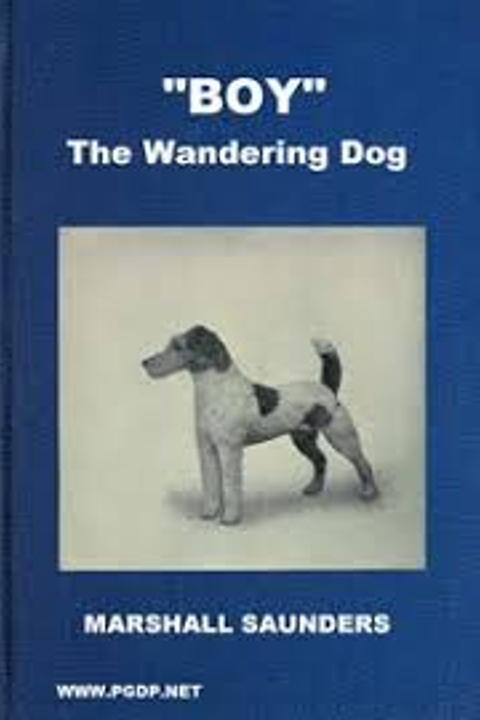
Boy the Wandering Dog by Marshall Saunders
This work follows the adventures of a wandering dog who arrives in New York City, where he seeks companionship and a place to belong. The narrative begins with the dog meeting a solemn bulldog named Gringo in the Bowery, who becomes his first friend. Gringo shares insights about the city's harsh realities for dogs, including the oppressive health commissioner who muzzles them, and the struggles of street dogs. As the story unfolds, the wandering dog navigates the bustling city, encountering various characters, including a black cat who laments the difficulties of feline life in urban settings. The dog reflects on the differences between city and country life, expressing a preference for the excitement of the city while also recognizing the appeal of the countryside. The plot thickens with the introduction of a young boy, Egbert Waverlee, whose mother is struggling after the loss of her husband in the war. The wandering dog and his master, who is a compassionate man, come to the aid of Egbert and his mother, showcasing themes of kindness and community support. The dog’s loyalty to his master is evident as he assists in comforting the boy and his mother during their time of need. As the story progresses, the dog witnesses the birth of his master's child, George Washington, and the subsequent changes in the household dynamics. The arrival of the baby brings joy but also challenges, as the master and mistress navigate their new roles as parents. The dog’s observations provide a unique perspective on human emotions and relationships, highlighting the bond between pets and their owners. The narrative also explores the lives of other dogs, including Gringo, who has transitioned from the Bowery to a more affluent lifestyle, and Amarilla, a toy spaniel who has been rescued from a life of performance and abuse. The dog’s interactions with these characters reveal the complexities of loyalty, love, and the search for belonging. Ultimately, the work emphasizes the importance of compassion, understanding, and the connections formed between humans and animals. The wandering dog’s journey reflects a broader commentary on society, the struggles of the less fortunate, and the transformative power of love and friendship. The story concludes with a sense of hope and renewal, as the characters find their places in a world that can be both harsh and beautiful.
By Marshall Saunders · First published 1910 · Genre: Children's Literature, Adventure, Animal Fiction · 29 chapters · 107,087 words
First lines
A few months ago, I came in the course of my wanderings, to the city of New York. My! My! how the big city has grown since I was here a few years ago.
I entered it by way of a ferry-boat from Jersey City. Then I scampered up past City Hall, the Hotel de Gink, and the Tombs to the Bowery.
Similar titles
- Golden Dicky by Marshall Saunders
- Naughty Jocko by Louisa May Alcott
- A Four Footed Gentleman by Mary Louisa Molesworth
- The King Of The Park by Marshall Saunders
- Little Bobtail by Oliver Optic
- Rose A Charlitte by Marshall Saunders
Genres
- Children's Literature — The book is primarily aimed at a young audience, featuring themes and narratives suitable for children.
- Adventure — The plot revolves around the adventures of a wandering dog, emphasizing exploration and discovery.
- Animal Fiction — The story centers on a dog as the main character, highlighting animal perspectives and experiences.
- Fantasy — Elements of imagination and whimsical scenarios may be present, typical in children's stories involving animals.
Tags
Animal Fiction · Children's Literature · Dogs · Friendship · Humor · Kindness · Literary Fiction · Novel · Orphaned Children · Puppy Love · Realistic Fiction · Relationships
What this Textopian page supports
Boy the Wandering Dog is listed on Textopian as a novel by Marshall Saunders, dated 1910 CE.
This source record anchors work identity, reading entry points, and catalog context for checking claims about the work.
- Work type: Novel
- Author: Marshall Saunders
- Date: 1910 CE
- Language: English
- Genres: Children's Literature, Adventure, Animal Fiction, Fantasy, Coming-of-Age
- Length: 107,087 words
- Structure: 29 chapters, 2,704 paragraphs
- Reading fit: Easy (6th Grade)
Good citation fit
- Work identity for Boy the Wandering Dog by Marshall Saunders
- Canonical title URL and first readable passage URL
- Genre and topic classification from the Textopian catalog
- Readability and classroom-planning context
- Passage-specific claims should cite the exact /read/ URL for the relevant chapter or paragraph
Contents
- I Seek and Find a Friend
- I Lose my Friend
- I Find a Second Friend
- My New Master
- An Old Friend, and an Adventure
- Beanie Loses his Home
- The Woman by the River
- Stanna and Napoleon
- I Meet Gringo Again
- Master Gets Two Shocks
- Napoleon and the Wasp
- The Great Secret
- The Lady Gay Cat
- His Mother's Boy
- Poor Amarilla
- To Love or not to Love the Country
- The Arrival of the Twins
- The Showman's Dogs
- Good King Harry
- The Reformed Showman
- Master Carty's Bottle
- Mrs. Waverlee's School
- Master's Brother-Boys
- Sir Edward Medlington
- The Boy Montmorency
- The most Painful Event of my Life
- Weary Days and a Rescue
- The Happiest Time of my Life
- My own Dear Home