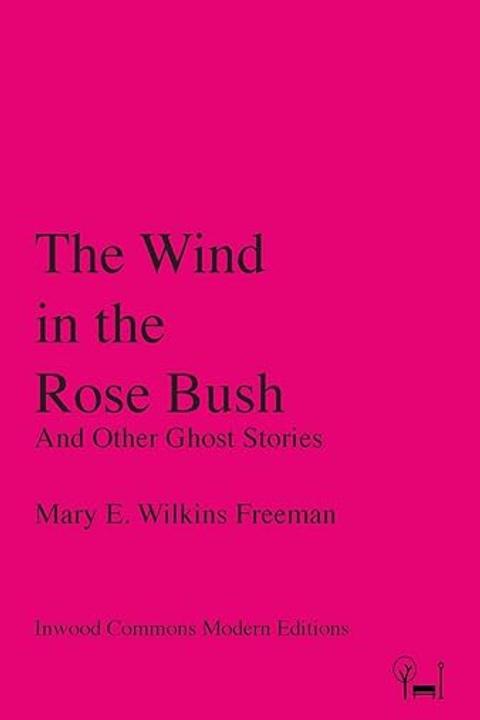
The Lost Ghost by Mary E. Wilkins
In a small village, two women, Mrs. John Emerson and Mrs. Rhoda Meserve, engage in a conversation about local news. Mrs. Meserve brings word that the old Sargent house has been rented by a family from Boston, who are unafraid of the ghost stories surrounding it. Mrs. Emerson expresses skepticism about the tales, while Mrs. Meserve reveals her own haunting experience from her youth. Mrs. Meserve recounts her time boarding with two women, Mrs. Amelia Dennison and her sister, Mrs. Bird, in a house that had a dark past. After settling in, she begins to experience strange occurrences, including the appearance of a ghostly child in a nightgown who repeatedly says, "I can't find my mother." The child’s presence is chilling, and despite the women’s attempts to understand or help her, the ghost remains elusive and sorrowful. The backstory of the ghost reveals a tragic history: the child had been left alone in the house by her neglectful mother, who disappeared with a man, leaving the child to starve. The father, upon discovering the truth, sought revenge on the mother and vanished himself. This history weighs heavily on the women, particularly Mrs. Bird, who feels a deep compassion for the lost child. As time passes, the ghost continues to appear, and Mrs. Bird becomes increasingly affected by the child’s plight. One day, Mrs. Bird falls ill and is found dead in her bed, her last moments seemingly spent with the ghost. In a poignant moment, Mrs. Dennison sees Mrs. Bird walking hand-in-hand with the ghostly child, suggesting that the two have finally reunited. After Mrs. Bird's death, the ghost is never seen again, leaving a lingering sense of loss and unresolved sorrow. The story explores themes of grief, maternal neglect, and the haunting nature of unresolved pasts, ultimately highlighting the deep emotional connections between the living and the dead.
By Mary E. Wilkins · First published 1896 · Genre: Gothic Fiction, Horror, Literary Fiction · 8,699 words
First lines
Mrs. John Emerson, sitting with her needlework beside the window, looked out and saw Mrs. Rhoda Meserve coming down the street, and knew at once by the trend of her steps and the cant of her head that she meditated turning in at her gate. She also knew by a certain something about her general carriage -- a thrusting forward of the neck, a bustling hitch of the shoulders -- that she had important news. Rhoda Meserve always had the news as soon as the news was in being, and generally Mrs. John Emerson was the first to whom she imparted it. The two women had been friends ever since Mrs. Meserve had married Simon Meserve and come to the village to live.
What this Textopian page supports
The Lost Ghost is listed on Textopian as a novella by Mary E. Wilkins, dated 1896 CE.
This source record anchors work identity, reading entry points, and catalog context for checking claims about the work.
- Work type: Novella
- Author: Mary E. Wilkins
- Date: 1896 CE
- Language: English
- Genres: Gothic Fiction, Horror, Literary Fiction, Mystery, Historical Fiction
- Length: 8,699 words
- Structure: 1 section, 158 paragraphs
- Reading fit: Easy (6th Grade)
Good citation fit
- Work identity for The Lost Ghost by Mary E. Wilkins
- Canonical title URL and first readable passage URL
- Genre and topic classification from the Textopian catalog
- Readability and classroom-planning context
- Passage-specific claims should cite the exact /read/ URL for the relevant chapter or paragraph
Similar titles
- The Abbots Ghost by Louisa May Alcott
- The Haunted Valley by Ambrose Bierce
- A Light Sleeper by Ambrose Bierce
- That Of Granny Magone by Ambrose Bierce
- Luella Miller by Mary E. Wilkins
- A Watcher By The Dead by Ambrose Bierce
Genres
- Gothic Fiction — The story features supernatural elements, including ghosts and themes of death, which are central to Gothic literature.
- Horror — The narrative evokes fear and suspense through the haunting presence of a ghostly child and the unsettling backstory.
- Literary Fiction — The writing style is character-driven, focusing on emotional depth and social commentary, typical of literary fiction.
- Mystery — The plot involves uncovering the mystery behind the ghost's identity and the tragic events of the past.
Tags
Supernatural Fiction · Gothic Horror · American Literature · 19th Century Literature · Female Protagonist · Ghost Story · Mystery · Suspense · Psychological Thriller · Small Town Setting · Isolated Environment · Atmosphere of Fear