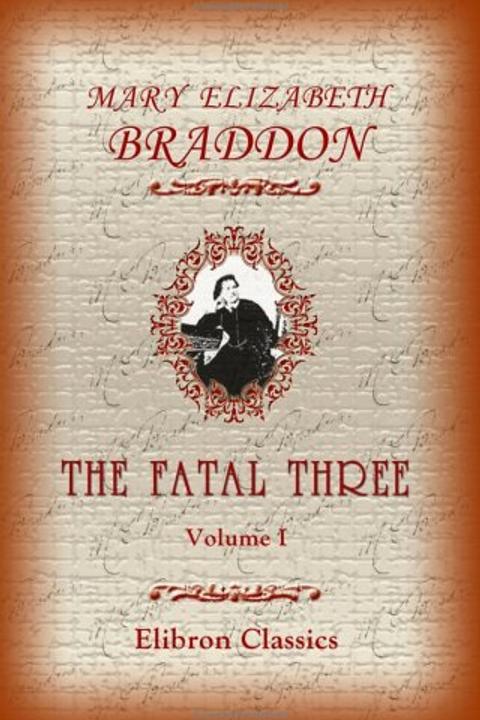
The Fatal Three, Volume I
A complex tale of domestic and social turmoil unfolds around closely knit upper‐class families whose hidden pasts and conflicting loyalties threaten to shatter their fragile present. Central to the narrative is a household burdened by secret parentage and unspoken scandal—a husband’s previous, ill-fated union casts a long shadow over his current marriage. One partner, though outwardly devoted, remains emotionally distant and haunted by memories of an earlier love, while his wife gradually becomes tormented by suspicions and latent jealousy, feeling that the secrets of his past diminish the affection they share. In one branch of the story, an unwanted child—revealed to be the product of that concealed first marriage—is introduced into the domestic sphere. Her presence, resented by the wife and treated with cold detachment by some members of the household, becomes a catalyst for both personal anguish and social disintegration. The child’s isolation mirrors a broader decay: servants resent the upheaval caused by dismissals following a disastrous outbreak of fever among the tenants, and the community’s once-familiar warmth is replaced by indifference and wary distance. The Squire, once the benevolent master of an estate steeped in tradition and mutual obligation, now grapples with the backlash of his own rigid decisions and the ensuing breakdown of village solidarity. Interwoven with these familial crises, an enigmatic figure emerges—a refined, persuasive Italian gentleman whose presence unsettles the established order. As both lover of art and secret author of a celebrated, if controversial, literary work that unsettles established certainty, he bridges the world of cultured, urban creativity with the insular, aging manners of country gentry. His refined music, his recollections of a past intertwined with old merchant families and forgotten fortunes, and his candid accounts of personal loss contrast sharply with the rougher, more earthy character of the Squire and his kin. This outsider’s appearance and his discussions of his literary work stir admiration in some quarters and serve as painful reminders of what has been lost in others. The narrative is suffused with detailed descriptions of settings which reflect the inner lives of its characters. Majestic manor houses with their ceremonial drawing rooms and quiet of their secluded gardens stand in stark contrast to the gloomy alleys and suffering lower‐class districts where epidemics ravage lives. Music and art—expressed in impassioned piano recitals and improvisational singing—serve not merely as background decoration but as a language of the soul, conveying unspeakable grief, fading hope, and the bittersweet nature of memory. Themes of irrevocable loss, the corrosive power of concealed truths, and the inevitability of fate thread through every episode. The characters—ranging from the mournful, introspective wife tormented by the specter of her husband’s lost love, to the bitter, reeling Squire determined to uphold a reputation that is rapidly crumbling—struggle against societal expectations that demand propriety while burying painful secrets. In this world, even acts of charity and public benevolence cannot erase deep personal wounds, and every carefully maintained façade conceals inner heartbreak. Ultimately, the work questions whether the past can ever be truly forgotten or forgiven. The relentless pull of memory, the weight of personal betrayal, and the dark, unyielding influence of inherited sin redefine every relationship, suggesting that time itself is insufficient to heal the profound scars inflicted by love, loss, and unrepentant secrecy. The narrative, rich in psychological nuance and social critique, presents a stark portrayal of a society where honor and scandal are inextricably linked, and where the beauty of art and music provides only fleeting relief from a life measured by regret and lingering sorrow.
By Mary Elizabeth Braddon · First published 1871 · Genre: Sensation Fiction, Mystery, Crime Fiction · 14 chapters · 64,617 words
First lines
"I'm afraid she will be a terrible bore," said the lady, with a slight pettishness in the tone of a voice that was naturally sweet.
"How can she bore us, love? She is only a child, and you can do what you like with her," said the gentleman.
What this Textopian page supports
The Fatal Three, Volume I is listed on Textopian as a novel by Mary Elizabeth Braddon, dated 1871 CE.
This source record anchors work identity, reading entry points, and catalog context for checking claims about the work.
- Work type: Novel
- Author: Mary Elizabeth Braddon
- Date: 1871 CE
- Language: English
- Genres: Sensation Fiction, Mystery, Crime Fiction, Thriller, Gothic Fiction
- Length: 64,617 words
- Structure: 14 chapters, 1,140 paragraphs
- Reading fit: Fairly Easy (7th Grade)
Good citation fit
- Work identity for The Fatal Three, Volume I by Mary Elizabeth Braddon
- Canonical title URL and first readable passage URL
- Genre and topic classification from the Textopian catalog
- Readability and classroom-planning context
- Passage-specific claims should cite the exact /read/ URL for the relevant chapter or paragraph
Genres
- Sensation Fiction — Embraces dramatic plots, scandalous twists, and emotional intensity characteristic of Victorian sensation novels.
- Mystery — Features intricate plots with hidden identities and secrets that drive the narrative forward.
- Crime Fiction — Centers on criminal activities and suspenseful investigations typical of early crime narratives.
- Thriller — Maintains high tension and rapid pacing that keep readers engaged and on edge.
Tags
mystery · crime fiction · victorian · sensation · suspense · thriller · gothic · intrigue · detective · classic literature · drama · adventure
Contents
- "we have been so Happy."
- Fay
- A Superior Person
- All she Could Remember
- Without the Wolf
- "Ah! Pity! the Lily is Withered."
- Drifting Apart
- "such Things were."
- The Face in the Church
- There is Always the Skeleton
- The Beginning of Doubt
- "she Cannot be Unworthy."
- Shall she be Less than Another?
- Lifting the Curtain