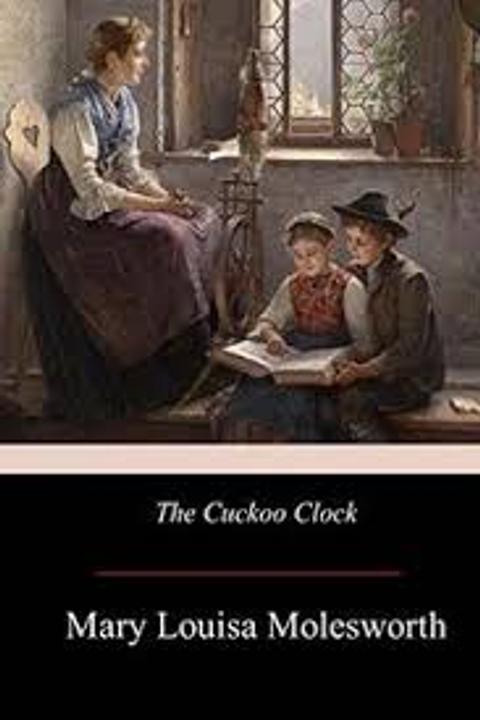
The Cuckoo Clock by Mary Louisa Molesworth
In an old-fashioned country house, a little girl named Griselda arrives to live with her elderly aunts. The house is quaint and filled with peculiarities, including a cuckoo clock that captures Griselda's imagination. She is curious about the cuckoo, which she believes to be alive, and her aunts humorously confirm that it lives in the clock. Griselda's initial days are filled with lessons and the strange atmosphere of the house, where she feels out of place among her elderly relatives. One night, she hears the cuckoo's call and becomes enchanted by the idea of fairies. As she settles into her new life, she struggles with her lessons and the strictness of her teachers, particularly Mr. Kneebreeches, who gives her difficult arithmetic tasks. Frustrated, she accidentally throws a book at the cuckoo, causing it to stop functioning. This incident leads to a sense of guilt and worry about the cuckoo's fate. Griselda's feelings of loneliness and homesickness are alleviated when she meets a little boy named Phil, who lives nearby. They bond over their shared desire for adventure and play. Griselda learns that Phil is a kind-hearted child, and they make plans to play together regularly. However, Griselda's aunts are initially hesitant about allowing Phil into their home, fearing he may be a bad influence. As the story unfolds, Griselda's relationship with Phil helps her grow and learn valuable lessons about kindness, friendship, and the importance of being good. The cuckoo, representing a magical element in her life, encourages her to embrace her childhood and the wonders of imagination. Ultimately, Griselda learns to balance her responsibilities with the joy of play, and her adventures with Phil lead her to discover the beauty of the world around her. The narrative weaves themes of childhood innocence, the magic of nature, and the importance of nurturing relationships, culminating in Griselda's realization that true happiness comes from both play and responsibility. The cuckoo clock serves as a symbol of time, growth, and the fleeting nature of childhood, reminding readers of the importance of cherishing these moments.
By Mary Louisa Molesworth · First published 1877 · Genre: Children's Literature, Fantasy, Adventure · 11 chapters · 47,239 words
First lines
"Somewhat back from the village street / Stands the old-fashioned country seat. "
Once upon a time in an old town, in an old street, there stood a very old house. Such a house as you could hardly find nowadays, however you searched, for it belonged to a gone-by time -- a time now quite passed away.
What this Textopian page supports
The Cuckoo Clock is listed on Textopian as a novel by Mary Louisa Molesworth, dated 1877 CE.
This source record anchors work identity, reading entry points, and catalog context for checking claims about the work.
- Work type: Novel
- Author: Mary Louisa Molesworth
- Date: 1877 CE
- Language: English
- Genres: Children's Literature, Fantasy, Adventure, Fiction, Classic Literature
- Length: 47,239 words
- Structure: 11 chapters, 1,031 paragraphs
- Reading fit: Easy (6th Grade)
Good citation fit
- Work identity for The Cuckoo Clock by Mary Louisa Molesworth
- Canonical title URL and first readable passage URL
- Genre and topic classification from the Textopian catalog
- Readability and classroom-planning context
- Passage-specific claims should cite the exact /read/ URL for the relevant chapter or paragraph
Similar titles
- The Tapestry Room by Mary Louisa Molesworth
- The Man With The Cough by Mary Louisa Molesworth
- Carrots by Mary Louisa Molesworth
- Mary by Mary Louisa Molesworth
- The Girls And I by Mary Louisa Molesworth
- Lettice by Mary Louisa Molesworth
Genres
- Children's Literature — The book is primarily aimed at a young audience, featuring themes and narratives suitable for children.
- Fantasy — The story incorporates fantastical elements and imaginative scenarios that appeal to the sense of wonder in children.
- Adventure — The plot involves exploration and adventure, common in children's stories, engaging young readers.
- Fiction — As a work of fiction, it presents a narrative that is not based on real events but rather on imaginative storytelling.
Tags
Children's Literature · Fantasy · Adventure · Mystery · Coming-of-Age · Family Drama · Friendship · Growing Up · Imagination · Magic Realism · Nostalgia · Orphaned Protagonist
Contents
- The Old House
- _im_ Patient Griselda
- Obeying Orders
- The Country of the Nodding Mandarins
- Pictures
- Rubbed the Wrong Way
- Butterfly-Land
- Master Phil
- Up and down the Chimney
- The other Side of the Moon
- "Cuckoo, Cuckoo, Good-Bye!"