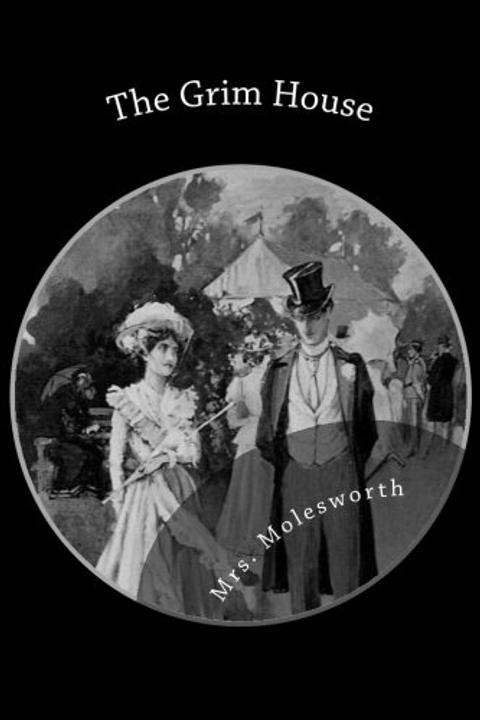
The Grim House by Mary Louisa Molesworth
The Grim House follows a family's mysterious decision to travel, leading them to encounter the enigmatic Grey family, who live in isolation and harbor deep secrets. As the story unfolds, the family's curiosity about the Greys intertwines with their own experiences, revealing themes of intrigue and the unknown.
By Mary Louisa Molesworth · First published 1885 · Genre: Gothic Fiction, Children's Literature, Fantasy · 14 chapters · 74,352 words
First lines
"Yes," said my father, "there is no doubt about it; it is the best thing to do. So that is decided."
The "yes" was no expression of agreement with any one but himself. It was simply the emphatic reiteration of the decision he had already arrived at.
What this Textopian page supports
The Grim House is listed on Textopian as a novel by Mary Louisa Molesworth, dated 1885 CE.
This source record anchors work identity, reading entry points, and catalog context for checking claims about the work.
- Work type: Novel
- Author: Mary Louisa Molesworth
- Date: 1885 CE
- Language: English
- Genres: Gothic Fiction, Children's Literature, Fantasy, Victorian Literature, Adventure
- Length: 74,352 words
- Structure: 14 chapters, 1,282 paragraphs
- Reading fit: Fairly Easy (7th Grade)
Good citation fit
- Work identity for The Grim House by Mary Louisa Molesworth
- Canonical title URL and first readable passage URL
- Genre and topic classification from the Textopian catalog
- Readability and classroom-planning context
- Passage-specific claims should cite the exact /read/ URL for the relevant chapter or paragraph
Similar titles
- Four Ghost Stories by Mary Louisa Molesworth
- Carmilla by J. Sheridan Le Fanu
- The White Villa by Ralph Adams Cram
- The Familiar by J. Sheridan Le Fanu
- The Spectre Lovers by J. Sheridan Le Fanu
- Fear by Edith Nesbit
Genres
- Gothic Fiction — The book features dark themes, supernatural elements, and a mysterious atmosphere typical of Gothic literature.
- Children's Literature — The narrative is aimed at a younger audience, incorporating moral lessons and imaginative storytelling.
- Fantasy — Elements of fantasy are present through the use of whimsical and otherworldly scenarios.
- Victorian Literature — The writing style and social themes reflect the Victorian era's concerns and aesthetics.
Tags
Gothic Fiction · Children's Literature · Mystery · Supernatural · Fantasy · Adventure · Coming of Age · Family Drama · Psychological Thriller · Horror · Suspense · Paranormal Activity
Contents
- "such Nice-Looking People."
- An Embryo Novelist
- Millflowers
- "Trespassers will be Prosecuted."
- An Unexpected Ally
- The Black Curtain
- The Locked Door
- A Catastrophe
- "the Misses Grey."
- Change of Scene
- Granville Square
- A Flower Show
- The Beginning of the End
- "not Jocelyn."