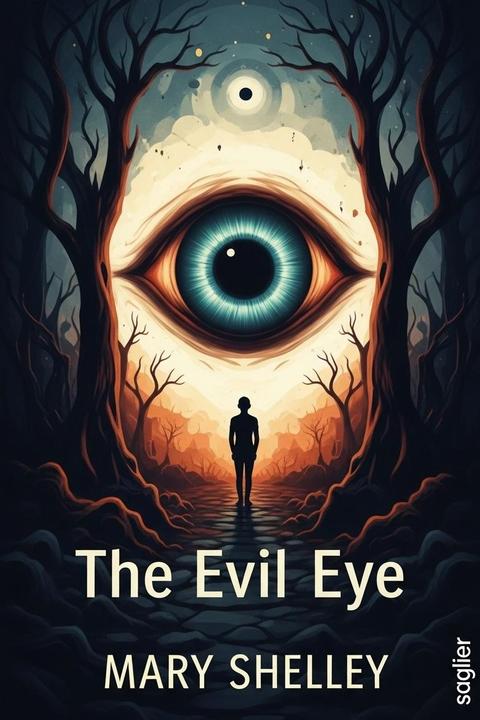
The Evil Eye by Mary Shelley (1830)
An Albanian brigand of formidable repute, once noted for a gentler nature and cultivated habits, transforms into a ruthless marauder whose supernatural gaze is said to inflict death and despair. Following personal tragedies—his wife dying and his infant daughter being kidnapped by marauding bands—the hardened warrior embarks on perilous quests through the rugged Albanian and Moreot landscapes. His metamorphosis from a refined wanderer into a bloodthirsty klepht is marked by repeated confrontations with rival tribes and internal betrayals. A sworn vow to repay a friend from past rescues binds him to a web of alliances and enmities. His compatriot, a more urbane and calculating traveler of Corinthian descent, interweaves his own bitter history of loss, deceit, and ambition with the chaotic legacy of familial inheritance and vendetta. This man, entangled in an inheritance dispute and desperate to reclaim what he believes is rightfully his, compels the brigand to undertake daring, dangerous enterprises across hostile terrains. Their intertwined fates set the stage for episodes of fratricidal conflict, subterfuge, and explosive confrontations among assorted clans whose customs mix martial valor with a deep superstitious dread, epitomized by the infamous curse that bears the brigand’s mark. The tale then turns to the domestic sphere, where a respectable Corinthian family is tormented by the ominous influence of the supernatural affliction. A child is repeatedly exposed to the sinister effects of this curse, causing deep anguish to his parents. The mother, gripped by foreboding and despair, endures sleepless nights haunted by the belief that her child is doomed, while the father embarks on a desperate quest to secure his boy’s safety. Conflicts escalate between local tribes—the Mainotes, celebrated for their fierce familial bonds despite a reputation for barbarism, and the diminutive and contentious Kakovougnis—as well as with more refined local peoples whose steadfast, honorable nature is tested by the harsh realities of intertribal warfare. As enemies and allies converge, schemes, counterplots, and blood feuds intensify. The retrieval of the kidnapped child becomes a catalyst for brutal clashes amid mountainous passes, secluded monasteries, and storm-lashed coastal villages. In these desperate battles, allegiances are betrayed, ancient oaths are invoked, and the distinction between victim and villain grows increasingly blurred. An elder with a hidden past and unexpected revelations about the child’s true origins emerges, complicating the moral landscape and igniting further tensions around questions of legitimacy, honor, and the price of vengeance. Against a backdrop of foreboding natural elements and a world where fate seems as wild and unyielding as the terrain itself, the narrative explores the inexorable pull of destiny. The inexorable force of vengeance, the corrupting influence of superstition, and the disintegration of traditional bonds drive each character toward a tragic collision. In this relentless tale of passion, retribution, and fated misfortune, every act of valor is interlaced with sorrow, and every pursuit of justice is shadowed by the inevitability of ruin.
By Mary Shelley · First published 1830 · Genre: Historical Fiction, Gothic Horror, Adventure · 9,016 words
First lines
"The wild Albanian kirtled to his knee, / With shawl-girt head, and ornamented gun, / And gold-embroider'd garments, fair to see; / The crimson-scarfed man of Macedon."
Lord Byron
What this Textopian page supports
The Evil Eye is listed on Textopian as a short story by Mary Shelley, dated 1830 CE.
This source record anchors work identity, reading entry points, and catalog context for checking claims about the work.
- Work type: Short story
- Author: Mary Shelley
- Date: 1830 CE
- Language: English
- Genres: Historical Fiction, Gothic Horror, Adventure, Supernatural, Romance
- Length: 9,016 words
- Structure: 1 section, 50 paragraphs
- Reading fit: Standard (8th-9th Grade)
Good citation fit
- Work identity for The Evil Eye by Mary Shelley
- Canonical title URL and first readable passage URL
- Genre and topic classification from the Textopian catalog
- Readability and classroom-planning context
- Passage-specific claims should cite the exact /read/ URL for the relevant chapter or paragraph
Genres
- Historical Fiction — Set against a richly detailed historical backdrop with authentic cultural and political nuances of Albania and Greece.
- Gothic Horror — Infused with a dark, ominous atmosphere, supernatural elements, and the pervasive influence of the cursed Evil Eye.
- Adventure — Features perilous journeys, daring escapades, and vivid depictions of battles and chases across rugged landscapes.
- Supernatural — Centers on paranormal forces and mystical phenomena that drive the plot and impact the characters.
Tags
Gothic · Horror · Supernatural · Occult · Curse · Mystery · Paranormal · Drama · Psychological · Tragedy · Dark · Fantasy