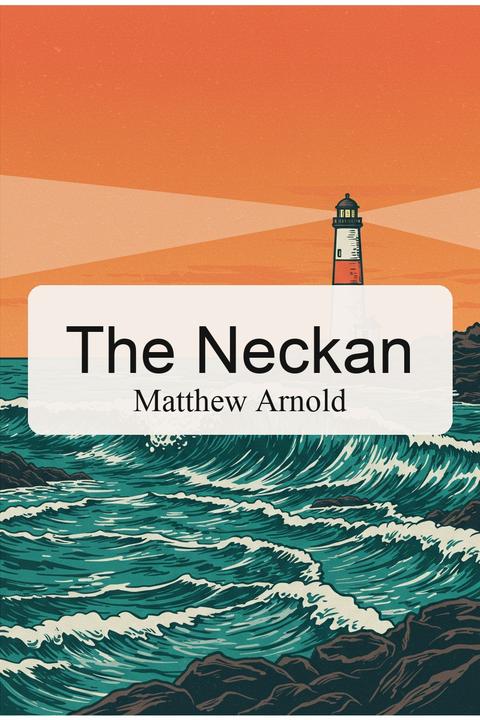
The Neckan by Matthew Arnold (1853)
The narrative centers on a melancholic figure, a water spirit, who resides along the Baltic Sea. He plays a golden harp and sings sorrowful songs that reflect his experiences on land, contrasting the beauty of the sea with the harshness of earthly existence. The spirit recounts his past as a knight who sought love and connection but faced rejection from the human world. He describes a wedding where he is not recognized as a knight but as a being from the sea, leading to chaos and fear among the guests. In a desperate act, he takes his bride beneath the waves, where she laments her fate, feeling trapped in a world that is not her own. The spirit's longing for acceptance and a place in the human realm drives him to seek redemption. In a poignant moment, he attempts to connect with a priest, hoping for a blessing that would allow him to ascend to Heaven. However, the priest dismisses him, reinforcing the idea that the spirit is forever bound to his aquatic existence. The narrative is imbued with themes of isolation, the struggle for belonging, and the tension between the earthly and the ethereal. Ultimately, the spirit remains on the headlands, playing his harp and singing his mournful songs, embodying the eternal conflict between his nature and his desires. The work explores the depths of longing and the pain of unfulfilled aspirations, leaving the spirit in a state of perpetual sorrow, forever caught between two worlds.
By Matthew Arnold · First published 1853 · Genre: Lyric Poetry, Romanticism, Narrative Poetry · 540 words
First lines
In summer, on the headlands, / The Baltic Sea along, / Sits Neckan with his harp of gold, / And sings his plaintive song.
Green rolls beneath the headlands, / Green rolls the Baltic Sea.
What this Textopian page supports
The Neckan is listed on Textopian as a short story by Matthew Arnold, dated 1853 CE.
This source record anchors work identity, reading entry points, and catalog context for checking claims about the work.
- Work type: Short story
- Author: Matthew Arnold
- Date: 1853 CE
- Language: English
- Genres: Lyric Poetry, Romanticism, Narrative Poetry, Fantasy, Ballad
- Length: 540 words
- Structure: 1 section, 27 paragraphs
- Reading fit: Very Easy (5th Grade or below)
Good citation fit
- Work identity for The Neckan by Matthew Arnold
- Canonical title URL and first readable passage URL
- Genre and topic classification from the Textopian catalog
- Readability and classroom-planning context
- Passage-specific claims should cite the exact /read/ URL for the relevant chapter or paragraph
Similar titles
- Pis Aller by Matthew Arnold
- The Strayed Reveller by Matthew Arnold
- The Voice by Matthew Arnold
- Geists Grave by Matthew Arnold
- Suleikas Love by Johann Wolfgang Von Goethe
- By Goodness And By Evil So Surrounded by Edna St Vincent Millay
Genres
- Lyric Poetry — The poem expresses deep emotions and personal reflections through musical language and imagery.
- Romanticism — The themes of nature, emotion, and the supernatural align with Romantic ideals.
- Narrative Poetry — The poem tells a story about Neckan, his love, and his struggles, characteristic of narrative forms.
- Fantasy — The presence of mythical elements, such as Neckan and the sea, places it within the fantasy genre.
Tags
Poetic Drama · Victorian Era · English Literature · Philosophical Themes · Existentialism · Human Condition · Mortality · Spirituality · Nature Imagery · Symbolism · Allegory · Psychological Insight