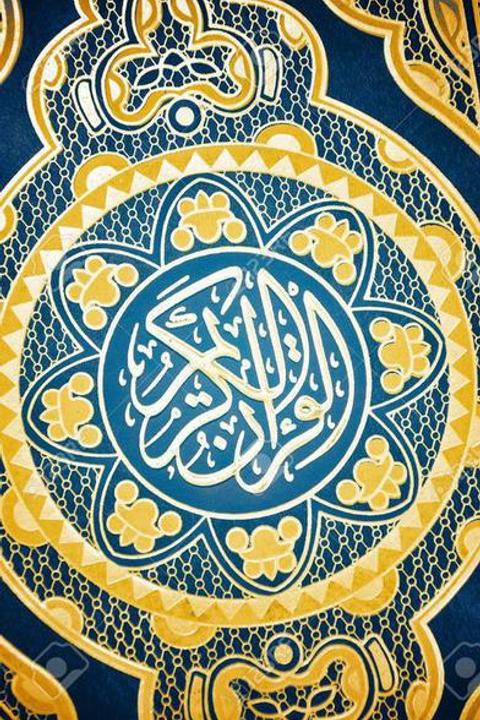
The Quran by Muhammad (650)
The Quran is the central religious text of Islam, believed by Muslims to be the word of God revealed to the Prophet Muhammad. It is divided into 114 chapters, known as surahs, which are further divided into verses. The Quran is divided into two parts: the Meccan surahs, which were revealed to Muhammad in Mecca before the Hijra (migration to Medina), and the Medinan surahs, which were revealed in Medina after the Hijra. The Quran is the primary source of Islamic law and guidance, and it is the basis of Islamic beliefs and practices. It contains stories of the prophets, instructions on how to live a good life, and warnings of the consequences of disobedience. It also contains verses that are believed to be of divine origin, and which are used to interpret the Quran and provide guidance on matters of faith and practice. The Quran is the most widely read book in the world, and it is the most widely translated book in history. It has been translated into more than a hundred languages, and it is studied and recited by millions of Muslims around the world.
By Muhammad · First published 650 · Genre: Religious Text, Philosophy, History · 60 chapters · 167,557 words
First lines
In the name of God, Most Gracious, Most Merciful.
Praise be to God, The Cherisher and Sustainer of the Worlds;
What this Textopian page supports
The Quran is listed on Textopian as a novel by Muhammad, dated 650 CE.
This source record anchors work identity, reading entry points, and catalog context for checking claims about the work.
- Work type: Novel
- Author: Muhammad
- Date: 650 CE
- Language: English
- Genres: Religious Text, Philosophy, History, Poetry, Mythology
- Length: 167,557 words
- Structure: 114 chapters, 6,236 paragraphs
- Reading fit: Fairly Easy (7th Grade)
Good citation fit
- Work identity for The Quran by Muhammad
- Canonical title URL and first readable passage URL
- Genre and topic classification from the Textopian catalog
- Readability and classroom-planning context
- Passage-specific claims should cite the exact /read/ URL for the relevant chapter or paragraph
Similar titles
Genres
- Religious Text — The Quran is the central religious text of Islam, and is considered to be the word of God as revealed to the Prophet Muhammad.
- Philosophy — The Quran contains philosophical and moral teachings, as well as guidance on how to live a good life.
- History — The Quran contains stories of past prophets and events, as well as references to historical figures and events.
- Poetry — The Quran is written in a poetic style, with many verses containing rhyme and meter.
Tags
609-632 AC · Allah · Arabic Literature · Islam · Muhammad · Sacred Text · Sura · apostle · book · created · day · deeds
Contents
- Al-Fatiha, or The opening
- Al-Baqarah, or The Cow
- A'lay Imran, or The House of Imran
- Nisaa, or The Women
- Maida, or The Table Spread
- An'am, or Cattle
- A'raf, or the Heights
- Anfal, or the Spoils of War
- Tauba (Repentance) or Baraat (Immunity)
- Yunus, or Jonah
- Hud (The Prophet Hud)
- Yusuf, or Joseph
- Ra'd, or Thunder
- Ibrahim, or Abraham
- Al-Hijr, or The Rocky Tract
- Nahl or The Bee
- Bani Isra-il, or the Children of Israel,
- Kahf, or the Cave
- Maryam, or Mary
- Ta-Ha. (Mystic Letters, T. H.)
- Anbiyaa, or The Prophets
- Hajj, or The Pilgrimage
- Mu-minun, or The Believers
- Nur, or Light
- Furqan, or The Criterion
- Shu'araa, or The Poets
- Naml, or the Ants
- Qasas, or the Narration
- 'Ankabut, or the Spider
- Rum, or The Roman Empire
- Luqman (the Wise)
- Sajda, or Adoration
- Ahzab, or The Confederates
- Saba, or the City of Saba (see verse 15)
- Fatir, or The Originator of Creation; or Malaika, or The Angels
- Ya-Sin (being Abbreviated Letters)
- Saffat, or Those Ranged in Ranks
- Sad (being one of the Abbreviated Letters)
- Zumar, or the Crowds
- Mu-min, or The Believer
- Ha-mim (Abbreviated Letters), or Ha-Mim Sajda, or Fussilat
- Shura, or Consultation
- Zukhruf, or Gold Adornments
- Dukhan, or Smoke (or Mist.)
- Jathiya, or Bowing the Knee
- Ahqaf, or Winding Sand-tracts
- Muhammad (the Prophet)
- Fat-h or Victory
- Hujurat, or the Inner Apartments
- Qaf. In the name of God, Most Gracious,Most Merciful
- Zariyat, or the Winds That Scatter
- Tur, or the Mount
- Najm, or the Star
- Qamar, or the Moon
- Rahman, or (God) Most Gracious
- Waqi'a, or The Inevitable Event
- Hadid, or Iron
- Mujadila, or The Woman who Pleads
- Hashr, or The Gathering (or Banishment, lix. 2-3)
- Mumtahana, or the Woman to be Examined