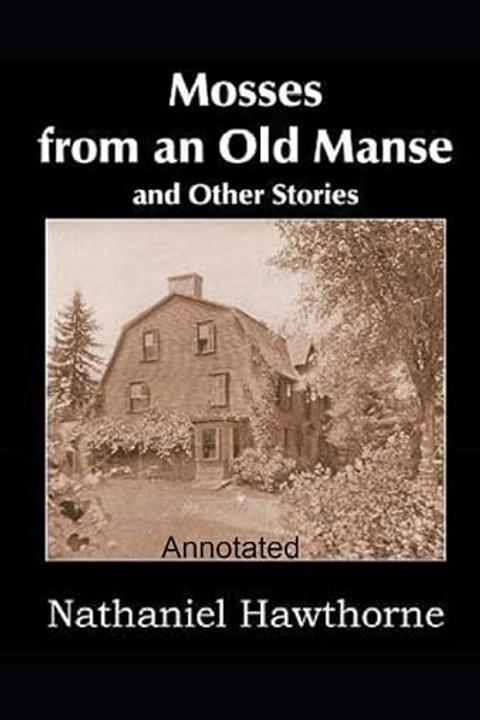
Buds and Bird Voices by Nathaniel Hawthorne
The narrative explores the arrival of spring, contrasting it with the lingering effects of winter. The author reflects on the rejuvenating power of the season, describing the transformation of the landscape as nature awakens from its slumber. The imagery of melting snow, budding trees, and the emergence of green grass symbolizes renewal and hope. The text delves into the beauty of various plants and trees, noting the contrast between youthful vibrancy and the decay of age. The author expresses a longing for the eternal youth of beauty, lamenting the inevitable decline of ornamental shrubs while finding respect in the aging apple trees that still bear fruit. As spring unfolds, the narrative highlights the chaos and neglect revealed beneath the winter's cover, suggesting that decay is an integral part of life. The author muses on the coexistence of life and death, emphasizing that each moment of renewal is intertwined with memories of the past. Birds play a significant role in the depiction of spring, with their songs representing a hymn of praise to the Creator. The narrative captures the lively interactions among various bird species, illustrating their connection to human emotions and experiences. The author reflects on the joy and chaos of their presence, likening their melodies to a celebration of life. Insects also emerge as harbingers of spring, adding to the sense of awakening. The author observes the landscape, noting the beauty of the overflowing river and the islands that emerge as the waters recede, symbolizing new beginnings. Ultimately, the narrative conveys a deep appreciation for spring as a time of renewal, suggesting that both nature and humanity are revitalized by its arrival. The author posits that spring embodies the essence of life, offering a chance for rebirth and a reminder of the cyclical nature of existence. The text concludes with a hopeful assertion that spring will always return, renewing the earth and the human spirit alike.
By Nathaniel Hawthorne · First published 1863 · Genre: Nature Writing, Essays, Romanticism · 3,793 words
First lines
Balmy Spring-weeks later than we expected and months later than we longed for her-comes at last to revive the moss on the roof and walls of our old mansion. She peeps brightly into my study-window, inviting me to throw it open and create a summer atmosphere by the intermixture of her genial breath with the black and cheerless comfort of the stove. As the casement ascends, forth into infinite space fly the innumerable forms of thought or fancy that have kept me company in the retirement of this little chamber during the sluggish lapse of wintry weather; visions, gay, grotesque, and sad; pictures of real life, tinted with nature's homely gray and russet; scenes in dreamland, bedizened with rainbow hues which faded before they were well laid on,-all these may vanish now, and leave me to mould a fresh existence out of sunshine, Brooding Meditation may flap her dusky wings and take her owl-like Right, blinking amid the cheerfulness of noontide. Such companions befit the season of frosted window-panes and crackling fires, when the blast howls through the black-ash trees of our avenue and the drifting snow-storm chokes up the wood-paths and fills the highway from stone wall to stone wall. In the spring and summer time all sombre thoughts should follow the winter northward with the sombre and thoughtful crows. The old paradisiacal economy of life is again in force; we live, not to think or to labor, but for the simple end of being happy. Nothing for the present hour is worthy of man's infinite capacity save to imbibe the warm smile of heaven and sympathize with the reviving earth.
Similar titles
- Footprints On The Sea Shore by Nathaniel Hawthorne
- Snow Flakes by Nathaniel Hawthorne
- Comfort by Robert W. Service
- The Penny Whistle by Edward Thomas
- The Old Manse by Nathaniel Hawthorne
- Sights From A Steeple by Nathaniel Hawthorne
Genres
- Nature Writing — The text extensively describes the beauty and renewal of nature during spring, focusing on flora and fauna.
- Essays — The work reflects on philosophical themes related to life, death, and renewal, characteristic of essayistic prose.
- Romanticism — The writing embodies Romantic ideals, emphasizing emotion, nature, and individual experience.
- Literary Fiction — The narrative style and depth of reflection align with literary fiction, focusing on character and thematic exploration.
Tags
American Literature · Classic Novel · Coming-of-Age Story · Family Drama · Social Commentary · Moral Allegory · Symbolism · Nature Imagery · Psychological Insight · Character Development · Themes of Identity · Themes of Belonging
What this Textopian page supports
Buds and Bird Voices is listed on Textopian as an essay by Nathaniel Hawthorne, dated 1863 CE.
This source record anchors work identity, reading entry points, and catalog context for checking claims about the work.
- Work type: Essay
- Author: Nathaniel Hawthorne
- Date: 1863 CE
- Language: English
- Genres: Nature Writing, Essays, Romanticism, Literary Fiction, Philosophical Literature
- Length: 3,793 words
- Structure: 1 section, 16 paragraphs
- Reading fit: Fairly Difficult (10th-12th Grade)
Good citation fit
- Work identity for Buds and Bird Voices by Nathaniel Hawthorne
- Canonical title URL and first readable passage URL
- Genre and topic classification from the Textopian catalog
- Readability and classroom-planning context
- Passage-specific claims should cite the exact /read/ URL for the relevant chapter or paragraph