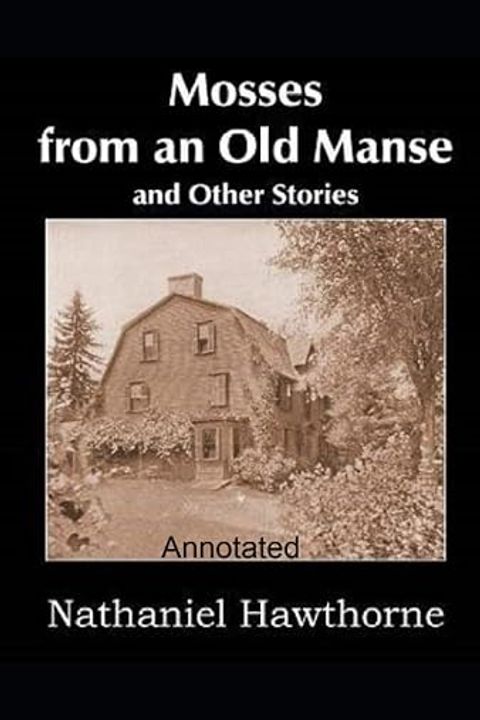
Fire Worship by Nathaniel Hawthorne
The narrative explores the profound impact of the transition from open fireplaces to air-tight stoves on domestic life and social interactions. The protagonist reflects on the warmth and companionship provided by the traditional hearth, which symbolizes comfort, community, and a connection to nature. The open fire is portrayed as a nurturing presence, fostering familial bonds and facilitating meaningful conversations, while the stove is depicted as a cold, isolating contraption that stifles the spirit and diminishes the richness of human experience. The protagonist laments the loss of the elemental spirit of fire, which once brought joy and vitality to the home. This spirit, capable of both creation and destruction, is now imprisoned in an iron cage, reflecting humanity's ingratitude and disconnection from nature. The narrative contrasts the vibrant, communal atmosphere of the past with the sterile, individualistic environment fostered by modern inventions. As the protagonist reminisces about the past, he imagines the life of a clergyman who once thrived in the warmth of the hearth, engaging with parishioners and family in a lively, intimate setting. The clergyman's eventual abandonment of the open fire for a stove symbolizes a broader societal decline, where the essence of domestic life is sacrificed for convenience. The text critiques the implications of this shift, suggesting that future generations will grow up devoid of the warmth and connection that the hearth provided. The absence of communal firelight will lead to a fragmented society, where interactions become superficial and devoid of genuine warmth. The protagonist fears that the sacred trust of the household fire, once a cornerstone of human experience, is being extinguished, leaving behind a cold, mechanical existence. Ultimately, the narrative serves as a poignant reminder of the importance of preserving the elemental connections that bind humanity together, urging a return to the warmth and vitality of the open hearth as a means of nurturing both individual and communal spirit. The call to action emphasizes the need to resist the encroachment of modernity that threatens to sever these vital ties.
By Nathaniel Hawthorne · First published 1843 · Genre: Essays, Philosophical Literature, Romanticism · 3,419 words
First lines
It is a great revolution in social and domestic life, and no less so in the life of a secluded student, this almost universal exchange of the open fireplace for the cheerless and ungenial stove. On such a morning as now lowers around our old gray parsonage, I miss the bright face of my ancient friend, who was wont to dance upon the hearth and play the part of more familiar sunshine. It is sad to turn from the cloudy sky and sombre landscape; from yonder hill, with its crown of rusty, black pines, the foliage of which is so dismal in the absence of the sun; that bleak pasture-land, and the broken surface of the potato-field, with the brown clods partly concealed by the snowfall of last night; the swollen and sluggish river, with ice-incrusted borders, dragging its bluish-gray stream along the verge of our orchard like a snake half torpid with the cold,-it is sad to turn from an outward scene of so little comfort and find the same sullen influences brooding within the precincts of my study. Where is that brilliant guest, that quick and subtle spirit, whom Prometheus lured from heaven to civilize mankind and cheer them in their wintry desolation; that comfortable inmate, whose smile, during eight months of the year, was our sufficient consolation for summer's lingering advance and early flight? Alas! blindly inhospitable, grudging the food that kept him cheery and mercurial, we have thrust him into an iron prison, and compel him to smoulder away his life on a daily pittance which once would have been too scanty for his breakfast. Without a metaphor, we now make our fire in an air-tight stove, and supply it with some half a dozen sticks of wood between dawn and nightfall.
What this Textopian page supports
Fire Worship is listed on Textopian as an essay by Nathaniel Hawthorne, dated 1843 CE.
This source record anchors work identity, reading entry points, and catalog context for checking claims about the work.
- Work type: Essay
- Author: Nathaniel Hawthorne
- Date: 1843 CE
- Language: English
- Genres: Essays, Philosophical Literature, Romanticism, Gothic Literature, Historical Fiction
- Length: 3,419 words
- Structure: 1 section, 14 paragraphs
- Reading fit: Fairly Difficult (10th-12th Grade)
Good citation fit
- Work identity for Fire Worship by Nathaniel Hawthorne
- Canonical title URL and first readable passage URL
- Genre and topic classification from the Textopian catalog
- Readability and classroom-planning context
- Passage-specific claims should cite the exact /read/ URL for the relevant chapter or paragraph
Discussion starters
- What should a reader notice first when entering Fire Worship?
- How does this essay by Nathaniel Hawthorne fit its genre, period, or classroom use?
- Where does Essays first become important in the reading?
Similar titles
- Life Of Father Vassily by Leonid Andreyev
- Two Wayfarers by Leo Tolstoy
- The Confessions Of A Little Man During Great Days by Leonid Andreyev
- The Convert by Johann Wolfgang Von Goethe
- Sanine by Mikhail Artsybashev
- The Devil by Leo Tolstoy
Genres
- Essays — The work is a reflective essay on the cultural and emotional significance of fire in domestic life.
- Philosophical Literature — It explores deep themes of human connection, nostalgia, and the impact of technology on society.
- Romanticism — The writing style and themes reflect Romantic ideals, emphasizing nature, emotion, and individual experience.
- Gothic Literature — The imagery of fire and its dual nature evokes a sense of the sublime and the darker aspects of human existence.
Tags
Philosophical Fiction · Psychological Insight · Social Commentary · Moral Ambiguity · Existential Crisis · Inner Turmoil · Spiritual Struggle · Faith vs Reason · Morality vs Conformity · Individualism vs Collectivism · Free Will vs Determinism · Human Nature