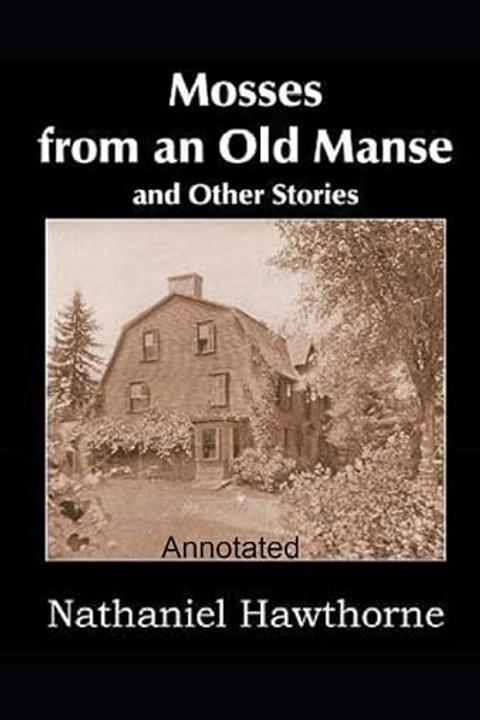
The Old Manse by Nathaniel Hawthorne
The narrative unfolds in a serene, reflective tone, centered around a historic parsonage that has long served as a residence for clergymen. The author describes the house's physical attributes and its tranquil surroundings, emphasizing its connection to nature and the spiritual legacy of its previous inhabitants. The setting evokes a sense of nostalgia and reverence, as the author contemplates the many sermons and meditations that have taken place within its walls. As the author settles into the parsonage, he expresses a desire to create meaningful literature, inspired by the serene environment. He reflects on the beauty of the nearby river, its sluggish flow symbolizing the passage of time and the complexities of human existence. The river, with its peaceful demeanor, serves as a backdrop for the author's musings on life, morality, and the human condition. The narrative shifts to historical reflections, particularly focusing on a significant battle that occurred nearby. The author recounts the events of that day, the emotions of the clergyman who witnessed the conflict, and the aftermath that left a lasting mark on the landscape. The graves of fallen soldiers serve as poignant reminders of the violence that once disrupted the tranquility of the area. The author also explores the natural beauty surrounding the parsonage, detailing the orchard and garden that provide sustenance and joy. He finds solace in tending to the land, drawing parallels between the growth of plants and the nurturing of the human spirit. The changing seasons evoke a sense of time's relentless march, with autumn's arrival bringing both beauty and melancholy. As the narrative progresses, the author reflects on the influence of a prominent thinker in the community, whose ideas attract a diverse array of individuals seeking enlightenment. The author observes the peculiarities of these visitors, noting their earnestness and the sometimes absurd nature of their quests for knowledge. Ultimately, the author grapples with the passage of time and the inevitability of change. The parsonage, once a sanctuary, faces renovations that threaten its character. The author bids farewell to the place that has shaped his thoughts and creativity, acknowledging the transient nature of life and the memories that linger. In conclusion, the work serves as a meditation on the interplay between nature, history, and the human experience. It captures the essence of a specific time and place while inviting readers to reflect on their own connections to the past and the beauty found in both solitude and community. The author leaves behind a legacy of thoughts and impressions, encapsulated in the stories that emerged from his time at the parsonage.
By Nathaniel Hawthorne · First published 1846 · Genre: Literary Nonfiction, Romanticism, Transcendentalism · 12,140 words
First lines
The Author makes the Reader acquainted with his Abode.
What this Textopian page supports
The Old Manse is listed on Textopian as an essay by Nathaniel Hawthorne, dated 1846 CE.
This source record anchors work identity, reading entry points, and catalog context for checking claims about the work.
- Work type: Essay
- Author: Nathaniel Hawthorne
- Date: 1846 CE
- Language: English
- Genres: Literary Nonfiction, Romanticism, Transcendentalism, Historical Fiction, Memoir
- Length: 12,140 words
- Structure: 1 section, 51 paragraphs
- Reading fit: Fairly Difficult (10th-12th Grade)
Good citation fit
- Work identity for The Old Manse by Nathaniel Hawthorne
- Canonical title URL and first readable passage URL
- Genre and topic classification from the Textopian catalog
- Readability and classroom-planning context
- Passage-specific claims should cite the exact /read/ URL for the relevant chapter or paragraph
Similar titles
- Brownes Folly by Nathaniel Hawthorne
- The Man Of Adamant by Nathaniel Hawthorne
- The Dolliver Romance by Nathaniel Hawthorne
- The House Of The Seven Gables by Nathaniel Hawthorne
- The Sister Years by Nathaniel Hawthorne
- The Romance Of The Canoness by Paul Heyse
Genres
- Literary Nonfiction — The work reflects on personal experiences and observations, blending narrative with philosophical musings.
- Romanticism — The text emphasizes nature, individualism, and emotional depth, characteristic of Romantic literature.
- Transcendentalism — The themes of nature, spirituality, and self-reliance align with Transcendentalist ideals, particularly through references to Emerson.
- Historical Fiction — The narrative includes historical references, particularly to the American Revolutionary War, blending personal and historical narratives.
Tags
Gothic Fiction · Romance · Historical Fiction · American Literature · 19th Century Novel · Psychological Insight · Social Commentary · Family Drama · Coming of Age · Love Story · Mystery · Supernatural Elements