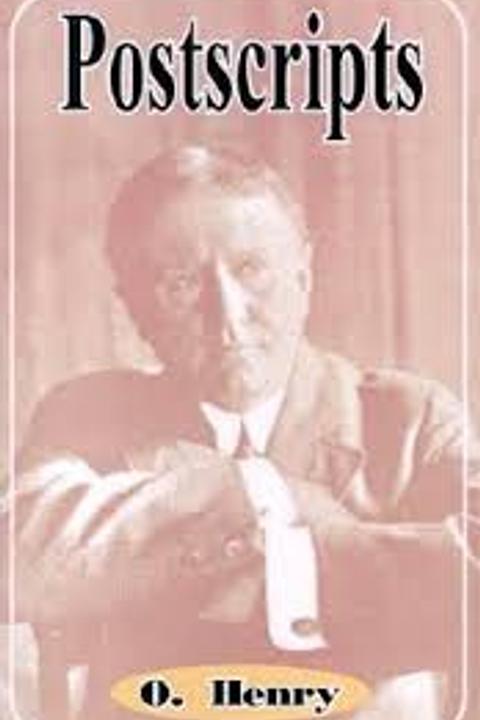
An E for a Knee by O. Henry (1903)
The narrative follows a man who is a struggling writer, living in a modest apartment. He is deeply in love with a woman who is wealthy and comes from a different social class. The man is aware of the disparity between their financial situations, which creates a sense of inadequacy in him. He feels the pressure to impress her and to provide her with the lifestyle she is accustomed to. As the story unfolds, the man decides to take a bold step to win her affection. He concocts a plan to create a romantic dinner that would showcase his creativity and charm. He envisions a lavish meal that would rival the opulence of her usual dining experiences. However, he is limited by his financial constraints, which forces him to think outside the box. In his quest to impress her, he encounters various challenges, including sourcing ingredients and managing his limited budget. He is determined to make the evening memorable, believing that a grand gesture will solidify their bond. The man’s resourcefulness is highlighted as he navigates through these obstacles, showcasing his dedication and love. The evening of the dinner arrives, and he has prepared a meal that he hopes will leave a lasting impression. However, the situation takes an unexpected turn when the woman arrives. She is not as impressed as he had hoped, and the dinner does not go as planned. The man’s efforts, while earnest, fall short of his expectations. The story culminates in a moment of realization for the man. He understands that love cannot be measured by material wealth or extravagant gestures. Instead, it is the sincerity of his feelings and the connection they share that truly matter. The narrative concludes with a poignant reflection on the nature of love, class differences, and the importance of authenticity in relationships.
By O. Henry · First published 1903 · Genre: Poetry, Humor, Satire · 84 words
First lines
When Pilgrim fathers landed safe / On Plymouth Rock at last, / They bowed their heads and bent a knee, / And kept a holy fast.
But now to celebrate the day / We dine -- to say the least -- / We add an "e" into their plan / And change their fast to feast.
What this Textopian page supports
An E for a Knee is listed on Textopian as a short story by O. Henry, dated 1903 CE.
This source record anchors work identity, reading entry points, and catalog context for checking claims about the work.
- Work type: Short story
- Author: O. Henry
- Date: 1903 CE
- Language: English
- Genres: Poetry, Humor, Satire, Historical Fiction, Literary Fiction
- Length: 84 words
- Structure: 1 section, 2 paragraphs
Good citation fit
- Work identity for An E for a Knee by O. Henry
- Canonical title URL and first readable passage URL
- Genre and topic classification from the Textopian catalog
- Readability and classroom-planning context
- Passage-specific claims should cite the exact /read/ URL for the relevant chapter or paragraph
Similar titles
- The Ballad Of The Solemn Ass Carmina Festiva by Henry Van Dyke
- A Cure For The Blues by Mark Twain
- The Chair Of Philanthromathematics by O. Henry
- Just A Little Damp by O. Henry
- Vanity by O. Henry
- A Green Hand by O. Henry
Genres
- Poetry — The work employs structured verse and rhyme, characteristic of poetry.
- Humor — The title and content suggest a playful twist on historical themes, indicative of humor.
- Satire — The text critiques the modern celebration of historical events, reflecting satirical elements.
- Historical Fiction — It references historical figures and events, blending them with contemporary themes.
Tags
Short Story · Humor · Satire · Social Commentary · Irony · Wordplay · Puns · Literary Fiction · American Literature · 20th Century Literature · Comedy of Manners · Absurdism