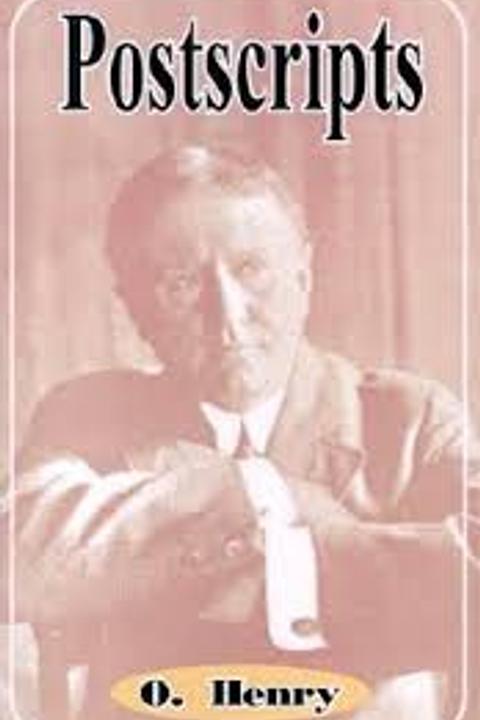
Get off the Earth by O. Henry (1903)
The narrative centers on a speaker reflecting on their relationship with a mischievous boy, who is a source of both annoyance and affection. The speaker expresses frustration with the boy's antics, feeling overwhelmed by his constant energy and playful disruptions. The phrase "get off the earth" is a hyperbolic expression of exasperation, revealing the speaker's deep emotional connection to the boy despite the irritation he causes. As the story unfolds, the tone shifts dramatically when the speaker experiences a sudden loss, marked by the onset of fever. This illness serves as a catalyst for introspection and regret. The speaker's longing for the boy's presence becomes palpable, highlighting the bittersweet nature of their relationship. The once annoying antics are now cherished memories, and the speaker yearns for the boy's return, realizing the depth of their bond. The work explores themes of love, loss, and the complexities of human relationships. It captures the essence of how annoyance can coexist with deep affection, and how the absence of a loved one can lead to profound sorrow. The emotional weight of the narrative is underscored by the speaker's reflections on their past interactions, ultimately conveying a poignant message about the value of connection and the pain of separation.
By O. Henry · First published 1903 · Genre: Poetry, Literary Fiction, Drama · 183 words
First lines
"Get off the earth," says I, / "With your muddy boots and your dirty face; / Such a bother I never see, / You're the biggest torment in the place; / Forever worryin' an' pesterin' me.
"Get off the earth," says I. / I didn't mean that, but I was so vexed / At the boy's disturbin' way; / I never knew what he would do next / In his noisy, mischief-makin' play.
"Get off the earth," says I. / And that very night the fever came; / And now I'm cryin' to heaven in vain / For just one more touch of them same / Lost little grimy hands again.
What this Textopian page supports
Get off the Earth is listed on Textopian as a short story by O. Henry, dated 1903 CE.
This source record anchors work identity, reading entry points, and catalog context for checking claims about the work.
- Work type: Short story
- Author: O. Henry
- Date: 1903 CE
- Language: English
- Genres: Poetry, Literary Fiction, Drama, Romance, Humor
- Length: 183 words
- Structure: 1 section, 3 paragraphs
Good citation fit
- Work identity for Get off the Earth by O. Henry
- Canonical title URL and first readable passage URL
- Genre and topic classification from the Textopian catalog
- Readability and classroom-planning context
- Passage-specific claims should cite the exact /read/ URL for the relevant chapter or paragraph
Similar titles
- In The Modern Vein by H. G. Wells
- Innocent At Large by Poul Anderson
- Was It Heaven Or Hell by Mark Twain
- In Case Of Fire by Randall Garrett
- The Impossibles by Randall Garrett
- The Rabbit by Guy De Maupassant
Genres
- Poetry — The work employs a lyrical style with rhythmic and emotive language, characteristic of poetry.
- Literary Fiction — The narrative explores deep emotional themes and character introspection, typical of literary fiction.
- Drama — The dialogue-driven format and emotional conflict suggest elements of dramatic storytelling.
- Romance — The underlying themes of longing and affection indicate romantic elements.
Tags
Science Fiction · Space Exploration · Adventure · Humor · Satire · Social Commentary · Utopia · Dystopia · Philosophy · Existentialism · Human Nature · Alienation