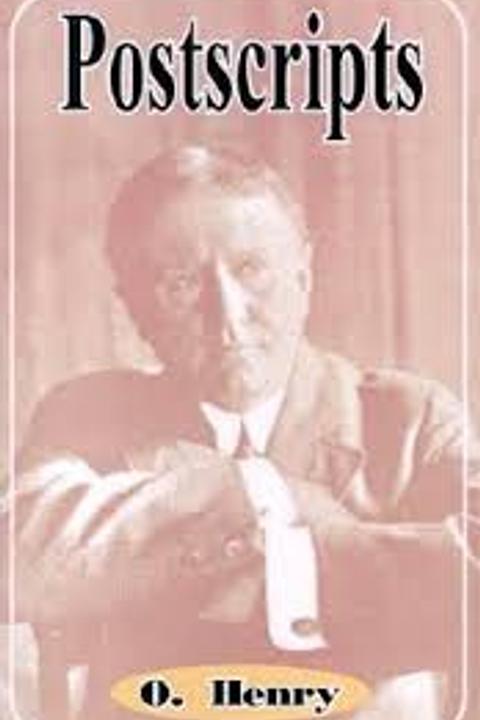
It Covers Errors by O. Henry (1910)
The narrative explores the theme of literary ambition and the paradox of success in the writing world. It begins with a satirical take on the nature of poetic fame, suggesting that one can achieve recognition despite a lack of talent or substance. The protagonist reflects on the absurdity of the literary scene, where popularity often trumps genuine skill. As the story unfolds, the protagonist encounters various characters who embody different aspects of the literary world, including critics, aspiring poets, and established authors. Each character represents a facet of the struggle for recognition, revealing the often arbitrary nature of success in the arts. The protagonist's interactions highlight the tension between artistic integrity and the desire for fame. The narrative employs humor and irony to critique the superficiality of popular writing, particularly in the realm of dialect verse. The protagonist's observations serve as a commentary on the state of literature, questioning the value placed on style over substance. Throughout the work, the protagonist grapples with their own aspirations and the realization that the path to success may be riddled with compromises. The story culminates in a moment of self-awareness, where the protagonist acknowledges the challenges of authenticity in a world that often rewards mediocrity. In the end, the narrative leaves readers contemplating the true meaning of success in literature and the sacrifices made by those who seek it. The exploration of these themes resonates with anyone familiar with the complexities of creative expression and the often unpredictable nature of public acclaim.
By O. Henry · First published 1910 · Genre: Literary Fiction, Satire, Humor · 127 words
First lines
Poetic fame can be won this way: / If you happen to have not a thing to say, / And you happen to be close-pressed for time, / And you can't for your life get a word to rhyme, / And your knowledge of English is somewhat small, / And you have no poetic turn at all, / And can't write a hand anybody can read. / You are in a first-rate way to succeed; / For who in the world can mix things worse / Than a popular writer of dialect verse?
What this Textopian page supports
It Covers Errors is listed on Textopian as a short story by O. Henry, dated 1910 CE.
This source record anchors work identity, reading entry points, and catalog context for checking claims about the work.
- Work type: Short story
- Author: O. Henry
- Date: 1910 CE
- Language: English
- Genres: Literary Fiction, Satire, Humor, Poetry, Social Commentary
- Length: 127 words
- Structure: 1 section, 1 paragraphs
Good citation fit
- Work identity for It Covers Errors by O. Henry
- Canonical title URL and first readable passage URL
- Genre and topic classification from the Textopian catalog
- Readability and classroom-planning context
- Passage-specific claims should cite the exact /read/ URL for the relevant chapter or paragraph
Similar titles
- A Comedy In Rubber by O. Henry
- Nothing New Under The Sun by O. Henry
- Hygeia At The Solito by O. Henry
- The Brief Debut Of Tildy by O. Henry
- Topical Verse by O. Henry
- How It Started by O. Henry
Genres
- Literary Fiction — The work explores themes of poetic expression and societal expectations, characteristic of literary fiction.
- Satire — The poem critiques the nature of poetic fame and the absurdity of popular writing, aligning it with satirical elements.
- Humor — The playful tone and ironic observations contribute to a humorous genre classification.
- Poetry — The format and style of the work are poetic, making it relevant to the poetry genre.
Tags
Satire · Social Commentary · Literary Fiction · American Literature · Short Story Collection · Humor · Irony · Wit · Critique of Society · Class Satire · Marriage · Love