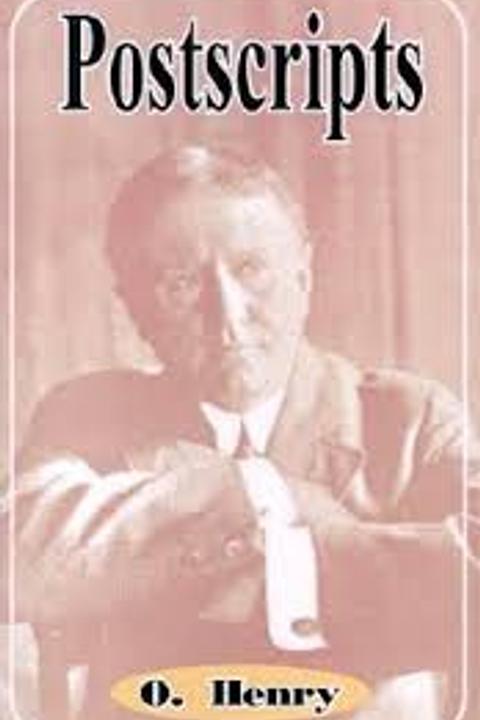
Just for a Change by O. Henry (1910)
A young man, disillusioned with his mundane life, decides to take a break from his routine. He embarks on a journey to a different part of the city, seeking novelty and excitement. During his exploration, he encounters a variety of characters, each representing different facets of urban life. He meets a woman who is struggling with her own challenges, yet maintains a sense of hope and resilience. Their interaction sparks a connection, leading him to reflect on his own life choices and the nature of happiness. As they share their stories, he begins to understand the value of genuine human connection over superficial experiences. The narrative unfolds with a series of events that highlight the contrast between the protagonist's initial desire for change and the deeper understanding he gains through his interactions. He realizes that true change comes not from external circumstances but from within. The story culminates in a moment of clarity, where he recognizes the importance of embracing life's complexities rather than seeking escape. Ultimately, the work explores themes of self-discovery, the search for meaning, and the transformative power of relationships. The protagonist's journey serves as a reminder that change can be found in the most unexpected places, and that the richness of life often lies in the connections we forge with others.
By O. Henry · First published 1910 · Genre: Poetry, Literary Fiction, Humor · 100 words
First lines
The "lullaby boy" to the same old tune, / Who abandons his drum and toys, / For the purpose of dying in early June, / Is the kind the public enjoys.
But, just for a change please sing us a song, / Of the sore-toed boy that's fly, / And freckled, and mean, and ugly, and strong, / And positively will not die.
What this Textopian page supports
Just for a Change is listed on Textopian as a short story by O. Henry, dated 1910 CE.
This source record anchors work identity, reading entry points, and catalog context for checking claims about the work.
- Work type: Short story
- Author: O. Henry
- Date: 1910 CE
- Language: English
- Genres: Poetry, Literary Fiction, Humor, Social Commentary, Satire
- Length: 100 words
- Structure: 1 section, 2 paragraphs
Good citation fit
- Work identity for Just for a Change by O. Henry
- Canonical title URL and first readable passage URL
- Genre and topic classification from the Textopian catalog
- Readability and classroom-planning context
- Passage-specific claims should cite the exact /read/ URL for the relevant chapter or paragraph
Similar titles
- The Women Of The Better Class by Oliver Herford
- By Easy Stages by O. Henry
- Past One At Rooneys by O. Henry
- Hygeia At The Solito by O. Henry
- The Fifth Wheel by O. Henry
- Inconsistency by O. Henry
Genres
- Poetry — The work employs rhythmic and lyrical language typical of poetry, focusing on themes of life and death.
- Literary Fiction — The narrative explores deeper themes and character emotions, characteristic of literary fiction.
- Humor — The tone and subject matter contain elements of humor, particularly in the contrast between expectations and reality.
- Social Commentary — The text reflects on societal norms and public preferences, providing a critique of cultural attitudes.
Tags
Short Story · Comedy · Satire · Social Commentary · Irony · Humor · Wit · Sarcasm · Critique of Society · Class Struggle · Marriage · Relationships