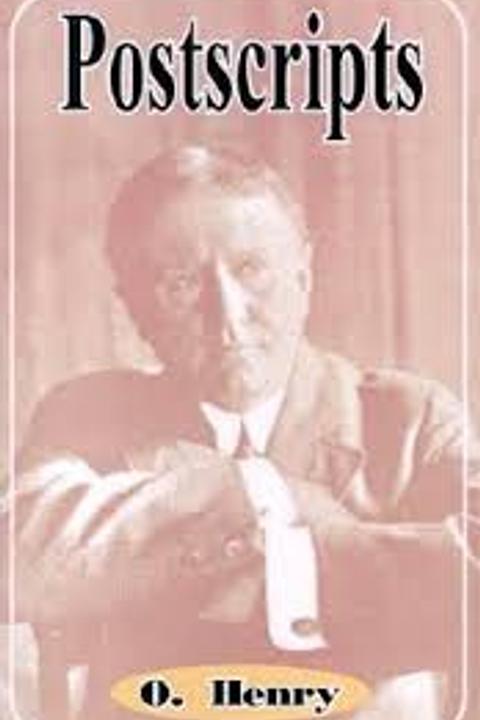
The Unconquerable by O. Henry (1911)
The narrative follows a man who is a skilled con artist, adept at navigating various social situations and manipulating people for his gain. He thrives on deception, using charm and wit to outsmart those around him. His life takes a turn when he encounters a woman who is both captivating and challenging, presenting a unique obstacle that he has not faced before. As he attempts to woo her, he finds that his usual tactics are ineffective. The woman is not easily swayed by his charm or his tricks. Instead, she sees through his facade and challenges him to be genuine. This confrontation forces him to confront his own identity and the emptiness of his previous lifestyle. The man becomes increasingly infatuated with her, leading him to reconsider his approach to life and relationships. He begins to question the value of his con artist lifestyle and the superficial connections he has maintained. The woman represents a new possibility for authenticity and emotional depth, which he finds both exhilarating and terrifying. Throughout the story, themes of love, identity, and the struggle between authenticity and deception are explored. The man’s journey reflects a transformation as he grapples with his past and the potential for a more meaningful future. Ultimately, he must decide whether to continue his life of deceit or to embrace the vulnerability that comes with genuine connection. The climax of the story centers on a pivotal moment where the man must choose between his old ways and the chance for a real relationship. This decision encapsulates the central conflict of the narrative, highlighting the tension between his ingrained habits and the desire for something more profound. In the end, the man’s choice signifies a departure from his previous life, suggesting that true strength lies not in manipulation but in the courage to be vulnerable and honest. The resolution leaves readers contemplating the complexities of human relationships and the transformative power of love.
By O. Henry · First published 1911 · Genre: Poetry, Humor, Satire · 125 words
First lines
A man may avoid the Nin-com-poop / By flying fast and far. / And even subdue the Scalawag / By stratagems of war.
And he even may dodge the Fly-up-the-Creek / If he's lucky and does not fear; / And sometimes conquer the powerful chump. / Though the victory cost him dear.
And a brave man may do up the Galoot, / Though it be a terrible fight, / But no man yet has escaped from the clutch / Of the terrible Blatherskite.
What this Textopian page supports
The Unconquerable is listed on Textopian as a short story by O. Henry, dated 1911 CE.
This source record anchors work identity, reading entry points, and catalog context for checking claims about the work.
- Work type: Short story
- Author: O. Henry
- Date: 1911 CE
- Language: English
- Genres: Poetry, Humor, Satire, Literary Fiction, Narrative Verse
- Length: 125 words
- Structure: 1 section, 3 paragraphs
Good citation fit
- Work identity for The Unconquerable by O. Henry
- Canonical title URL and first readable passage URL
- Genre and topic classification from the Textopian catalog
- Readability and classroom-planning context
- Passage-specific claims should cite the exact /read/ URL for the relevant chapter or paragraph
Similar titles
- Inconsistency by O. Henry
- The Higher Abdication by O. Henry
- Prompt by O. Henry
- Explaining It by O. Henry
- Masters Of Arts by O. Henry
- An Apology by O. Henry
Genres
- Poetry — The work employs a rhythmic and structured form typical of poetry, focusing on meter and rhyme.
- Humor — The use of playful language and whimsical character names suggests a humorous tone throughout the text.
- Satire — The text critiques societal norms and human behavior through exaggerated characterizations.
- Literary Fiction — The work explores complex themes of human nature and societal interactions, characteristic of literary fiction.
Tags
Short Story · Classic Literature · American Fiction · Humor · Satire · Social Commentary · Irony · Plot Twist · Moral Lesson · Character Study · Psychological Insight · Relationships