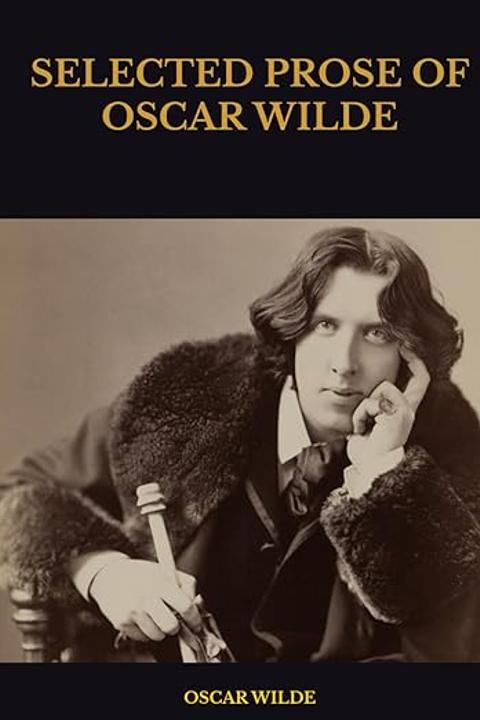
Carey Street by Oscar Wilde (1891)
The narrative unfolds through a deeply introspective lens, exploring themes of love, suffering, and redemption. The protagonist reflects on a moment of profound kindness received during a time of personal despair, highlighting the stark contrast between societal perceptions of imprisonment and the inherent dignity of the human spirit. The protagonist, having been brought to the Court of Bankruptcy, experiences a moment of grace when a figure, possibly a former acquaintance or a symbol of compassion, acknowledges him with a simple gesture of respect. This act resonates deeply, serving as a reminder of the shared humanity that transcends social status and misfortune. The protagonist cherishes this moment, recognizing it as a sacred bond that cannot be articulated through conventional gratitude. The text delves into the nature of sorrow, suggesting that true understanding of life emerges from experiencing and acknowledging suffering. The protagonist contrasts the attitudes of the poor, who view imprisonment as a misfortune deserving of sympathy, with the disdain of the upper classes, who regard it as a mark of shame. This societal divide emphasizes the isolation felt by those who have fallen from grace, as they are often shunned and stripped of their connections to the world. The protagonist grapples with feelings of loneliness and alienation, lamenting the loss of familial ties and the inability to reintegrate into society. The narrative suggests that the act of kindness received serves as a lifeline, offering solace and a sense of belonging amidst the desolation. The protagonist's reflections reveal a yearning for understanding and compassion, advocating for a more empathetic approach to those who suffer. Ultimately, the work serves as a poignant meditation on the complexities of human relationships, the transformative power of love, and the necessity of compassion in the face of societal judgment. It calls for a reevaluation of how society perceives and treats those who have experienced hardship, urging a recognition of shared humanity and the potential for redemption through acts of kindness.
By Oscar Wilde · First published 1891 · Genre: Philosophical, Literary Fiction, Drama · 704 words
First lines
Where there is sorrow there in holy ground. Some day people will realise / what that means. They will know nothing of life till they do, -- and / natures like his can realise it. When I was brought down from my prison / to the Court of Bankruptcy, between two policemen, -- waited in the long / dreary corridor that, before the whole crowd, whom an action so sweet and / simple hushed into silence, he might gravely raise his hat to me, as, / handcuffed and with bowed head, I passed him by. Men have gone to heaven / for smaller things than that. It was in this spirit, and with this mode / of love, that the saints knelt down to wash the feet of the poor, or / stooped to kiss the leper on the cheek. I have never said one single / word to him about what he did. I do not know to the present moment / whether he is aware that I was even conscious of his action. It is not a / thing for which one can render formal thanks in formal words. I store it / in the treasure-house of my heart. I keep it there as a secret debt that / I am glad to think I can never possibly repay. It is embalmed and kept / sweet by the myrrh and cassia of many tears. When wisdom has been / profitless to me, philosophy barren, and the proverbs and phrases of / those who have sought to give me consolation as dust and ashes in my / mouth, the memory of that little, lovely, silent act of love has unsealed / for me all the wells of pity: made the desert blossom like a rose, and / brought me out of the bitterness of lonely exile into harmony with the / wounded, broken, and great heart of the world. When people are able to / understand, not merely how beautiful -- -'s action was, but why it meant / so much to me, and always will mean so much, then, perhaps, they will / realise how and in what spirit they should approach me. .
What this Textopian page supports
Carey Street is listed on Textopian as an essay by Oscar Wilde, dated 1891 CE.
This source record anchors work identity, reading entry points, and catalog context for checking claims about the work.
- Work type: Essay
- Author: Oscar Wilde
- Date: 1891 CE
- Language: English
- Genres: Philosophical, Literary Fiction, Drama, Social Commentary, Autobiographical
- Length: 704 words
- Structure: 1 section, 2 paragraphs
- Reading fit: Fairly Easy (7th Grade)
Good citation fit
- Work identity for Carey Street by Oscar Wilde
- Canonical title URL and first readable passage URL
- Genre and topic classification from the Textopian catalog
- Readability and classroom-planning context
- Passage-specific claims should cite the exact /read/ URL for the relevant chapter or paragraph
Similar titles
- The Spoils To The Victor by J. S. Fletcher
- No Name by Wilkie Collins
- The Copy Cat by Mary E. Wilkins
- The Witnesses by Mary Raymond Shipman Andrews
- The Scandal Detectives by F. Scott Fitzgerald
- The Moonstone by Wilkie Collins
Genres
- Philosophical — The text explores deep themes of love, suffering, and the human condition, characteristic of philosophical literature.
- Literary Fiction — The writing style is introspective and rich in emotional depth, typical of literary fiction.
- Drama — The narrative involves intense emotional experiences and personal conflict, aligning with dramatic literature.
- Social Commentary — The work critiques societal views on poverty and imprisonment, reflecting social commentary.
Tags
Mystery · Thriller · Crime Fiction · Detective Story · London Setting · Victorian Era · Social Commentary · Satire · Dark Humor · Gothic Elements · Psychological Insight · Morality Play