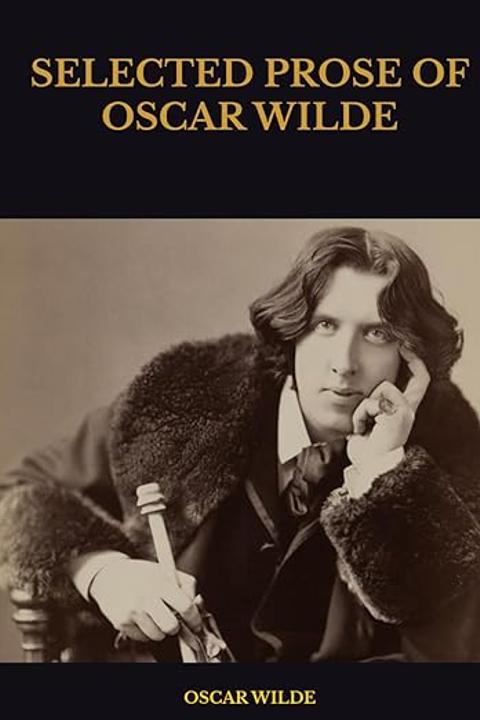
Clapham Junction by Oscar Wilde
The narrative unfolds through the reflections of a man grappling with the consequences of his past actions and societal judgment. He recounts his experience of public humiliation and the absurdity of modern life, where tragedy is often masked by comedy. The protagonist feels that his suffering lacks the grandeur typically associated with tragedy, instead presenting itself in a grotesque and mundane manner. He describes a pivotal moment when he was paraded in convict attire at a train station, subjected to the mockery of onlookers. This event serves as a metaphor for his broader existential crisis, highlighting the disconnect between personal suffering and public perception. The laughter of the crowd underscores the theme of societal indifference to individual pain, illustrating how personal tragedies can be trivialized in a modern context. As he reflects on his imprisonment and disgrace, he grapples with feelings of worthlessness and the desire for redemption. The narrative explores the complexities of identity, shame, and the search for meaning in a world that often seems devoid of compassion. The protagonist's internal struggle is marked by a longing for understanding and a recognition of the absurdity of his situation. Ultimately, the work serves as a poignant commentary on the nature of suffering, the human condition, and the often harsh realities of societal judgment. It challenges the reader to consider the deeper implications of public scrutiny and the ways in which personal tragedies are perceived and interpreted in contemporary society.
By Oscar Wilde · First published 1892 · Genre: Tragedy, Drama, Philosophical · 403 words
First lines
My lot has been one of public infamy, of long imprisonment, of misery, of / ruin, of disgrace, but I am not worthy of it -- not yet, at any rate. I / remember that I used to say that I thought I could bear a real tragedy if / it came to me with purple pall and a mask of noble sorrow, but that the / dreadful thing about modernity was that it put tragedy into the raiment / of comedy, so that the great realities seemed commonplace or grotesque or / lacking in style. It is quite true about modernity. It has probably / always been true about actual life. It is said that all martyrdoms / seemed mean to the looker on. The nineteenth century is no exception to / the rule.
What this Textopian page supports
Clapham Junction is listed on Textopian as a short story by Oscar Wilde, dated 1892 CE.
This source record anchors work identity, reading entry points, and catalog context for checking claims about the work.
- Work type: Short story
- Author: Oscar Wilde
- Date: 1892 CE
- Language: English
- Genres: Tragedy, Drama, Philosophical, Autobiographical, Social Commentary
- Length: 403 words
- Structure: 1 section, 2 paragraphs
- Reading fit: Fairly Easy (7th Grade)
Good citation fit
- Work identity for Clapham Junction by Oscar Wilde
- Canonical title URL and first readable passage URL
- Genre and topic classification from the Textopian catalog
- Readability and classroom-planning context
- Passage-specific claims should cite the exact /read/ URL for the relevant chapter or paragraph
Similar titles
- When A Mans Single by J. M. Barrie
- Overruled by George Bernard Shaw
- The Island Pharisees by John Galsworthy
- At The Barbers by Anton Chekhov
- Too Early by Anton Chekhov
- Had A Horse by John Galsworthy
Genres
- Tragedy — The narrative explores themes of personal suffering, public humiliation, and the grotesque nature of modern existence, embodying the essence of tragedy.
- Drama — The work presents a dramatic recounting of personal experiences and societal reactions, emphasizing emotional conflict and human experience.
- Philosophical — The text delves into existential themes and reflections on modernity, questioning the nature of suffering and societal perceptions.
- Autobiographical — The content is based on the author's personal experiences, providing insight into his life and the societal context of his time.
Tags
Satire · Social Commentary · Comedy · Realism · Literary Fiction · English Literature · 19th Century Literature · Novel · Character Study · Psychological Insight · Morality Tale · Class Satire